Shell Family Hub
Whelks: A Field Guide to America's Iconic Spiral Shells
From lightning-streaked juveniles to weathered adult shells the size of a hand, whelks are the East and Gulf coast's most collectible gastropods.
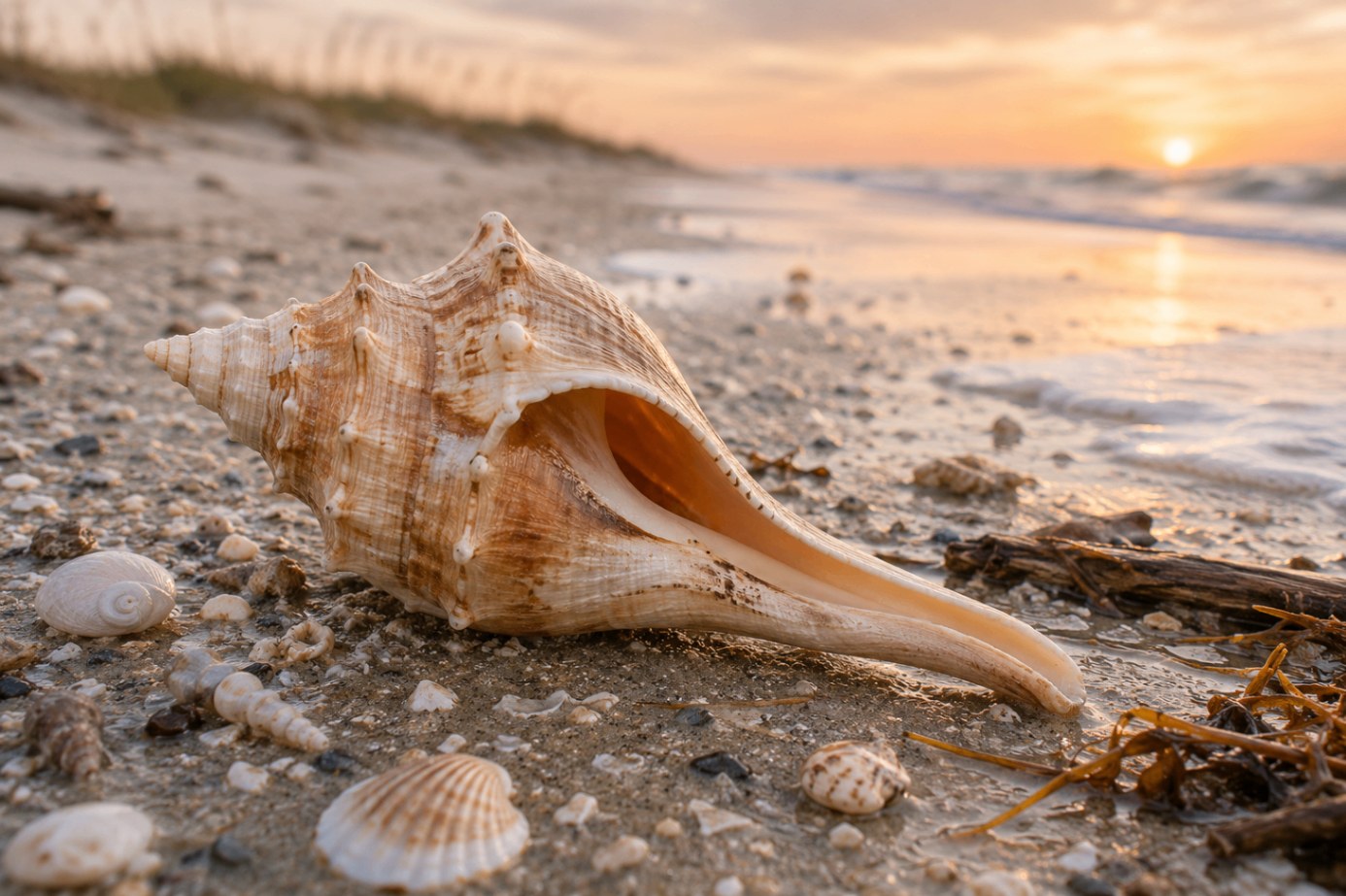
Whelks are large predatory sea snails whose spiraled shells wash ashore on beaches from Cape Cod to the Texas coast. Their size, sculpting, and often dramatic coloration make them cornerstone finds for beginner and lifelong collectors alike.
This hub connects everything on Tidal Keepsakes about whelks — species profiles, cleaning and display guides, the beaches most likely to yield a whole specimen, and the curated boxes and journal prompts that make each find feel like a story worth keeping.
Featured Shells
Species and family pages that anchor this hub
Sinistrofulgur sinistrum
Lightning Whelk
A large sinistral (left-handed) whelk of the U.S. southeast, prized for the streaks of colour that run down its spire.
Semicassis granulata
Scotch Bonnet
Rounded helmet shell with a woven basket-check pattern — North Carolina's state shell.
Scaphella junonia
Junonia
A deep-water volute famous on Sanibel Island for its cream body and neat rings of chocolate spots.
Busyconidae / Buccinidae
Whelk
A group of large predatory sea snails found along the U.S. east and gulf coasts, including knobbed, channelled, and lightning whelks.
Pectinidae
Scallop
Fan-shaped bivalves with radiating ribs and two ear-like auricles at the hinge — the family Pectinidae.
Olividae
Olive Shell
Glossy cylindrical gastropods of the family Olividae, including the lettered olive — South Carolina's state shell.
Americoliva sayana
Lettered Olive
South Carolina's state shell — a glossy cylindrical olive with fine zigzag markings that resemble handwriting.
Terebridae
Auger
Long, slender, high-spired gastropods of the family Terebridae — the beachcomber's screw shell.
Naticidae
Moon Snail
Rounded, polished gastropods (family Naticidae) that leave the neat drilled hole on so many empty bivalves.
Beaches to Explore
Shorelines connected to this hub
Georgia Coast · Georgia
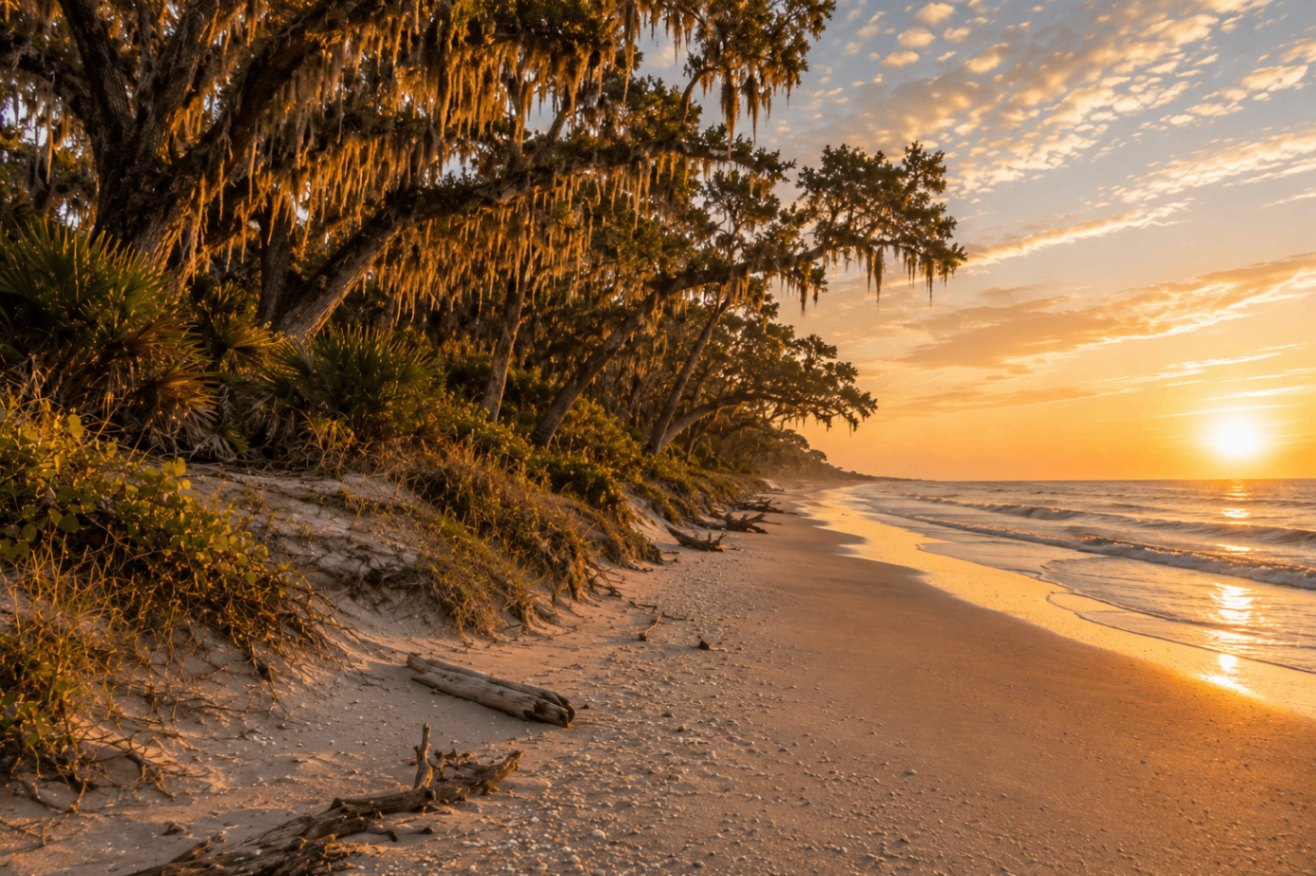
Cumberland Island
A wild National Seashore reachable only by ferry — long empty beaches, whelks, moon snails, and an unmatched sense of solitude for reflective shellers.
North Carolina Outer Banks · North Carolina
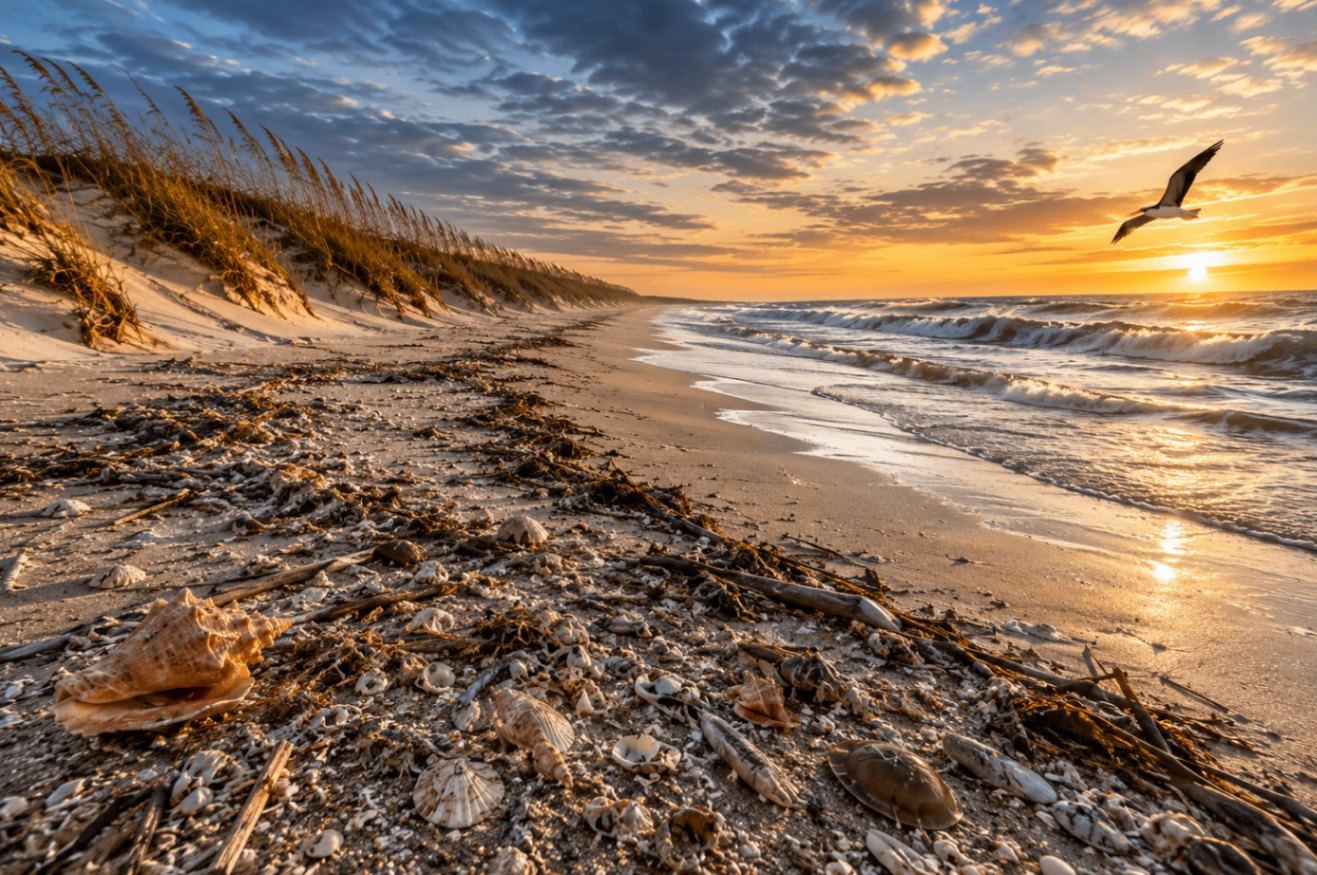
Outer Banks
A 200-mile chain of Atlantic barrier islands — Cape Hatteras, Ocracoke, and Cape Lookout deliver whelks, olive shells, and the state shell, the Scotch bonnet, especially after nor'easters.
North Carolina Crystal Coast · North Carolina
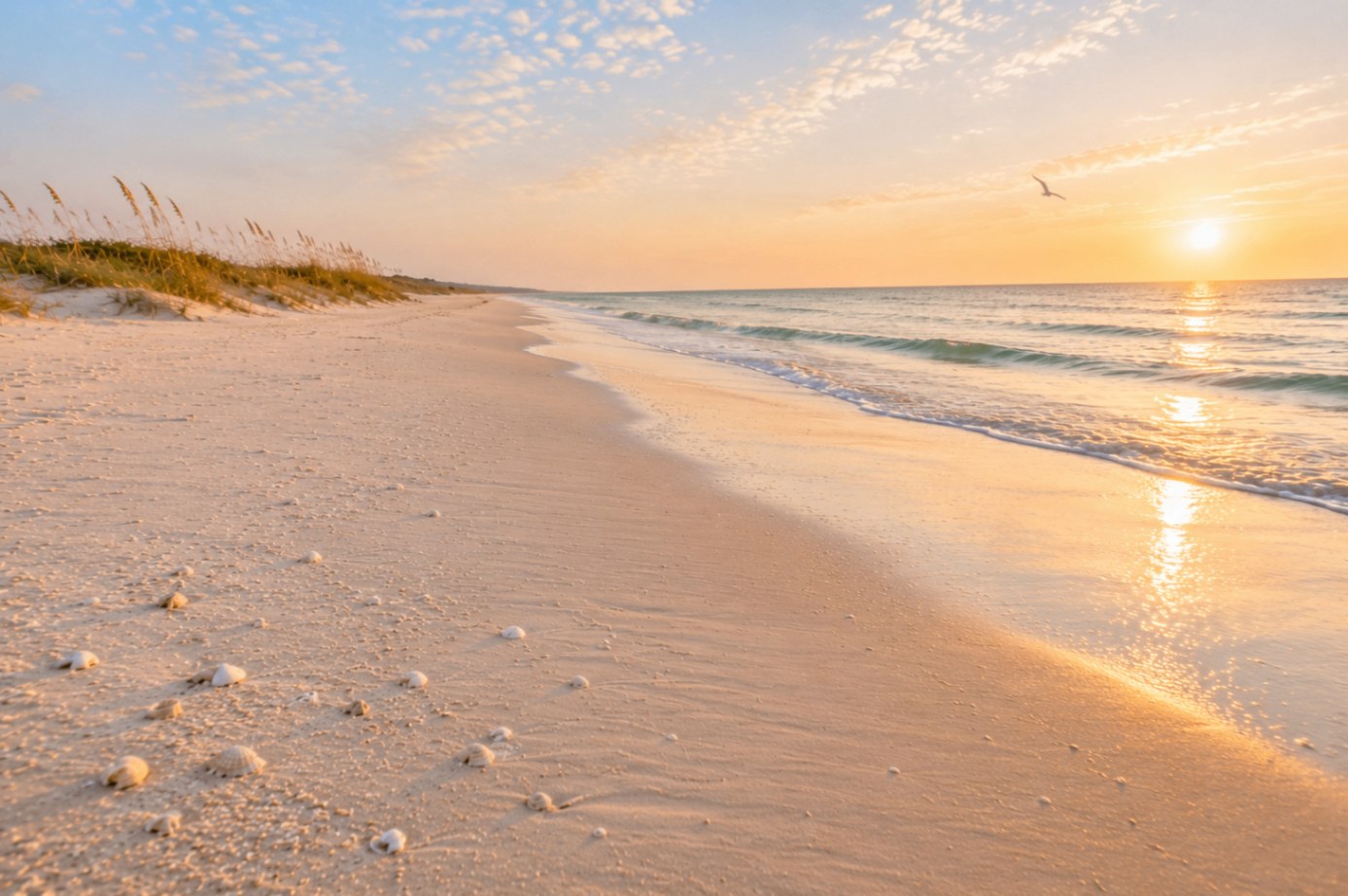
Topsail Island
A quieter barrier island north of Wrightsville — gentle Atlantic shore, whelks along the wrack line, and long walks that suit beginners just learning how to read a beach.
Florida Atlantic Coast · Florida
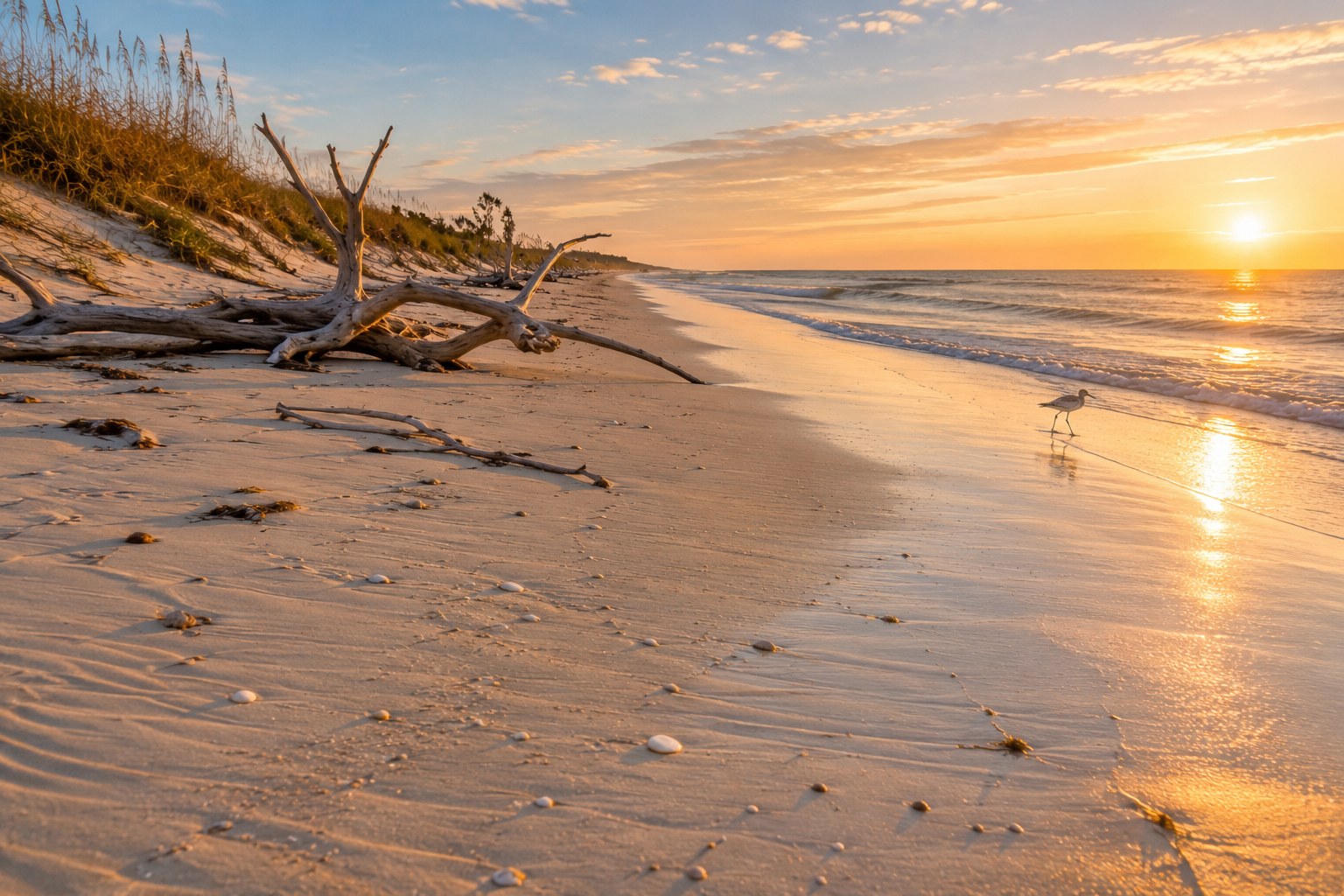
Amelia Island
Northeast Florida barrier island whose thirteen-mile Atlantic shore delivers whelks, olive shells, and the occasional shark tooth for patient walkers.
Georgia Coast · Georgia
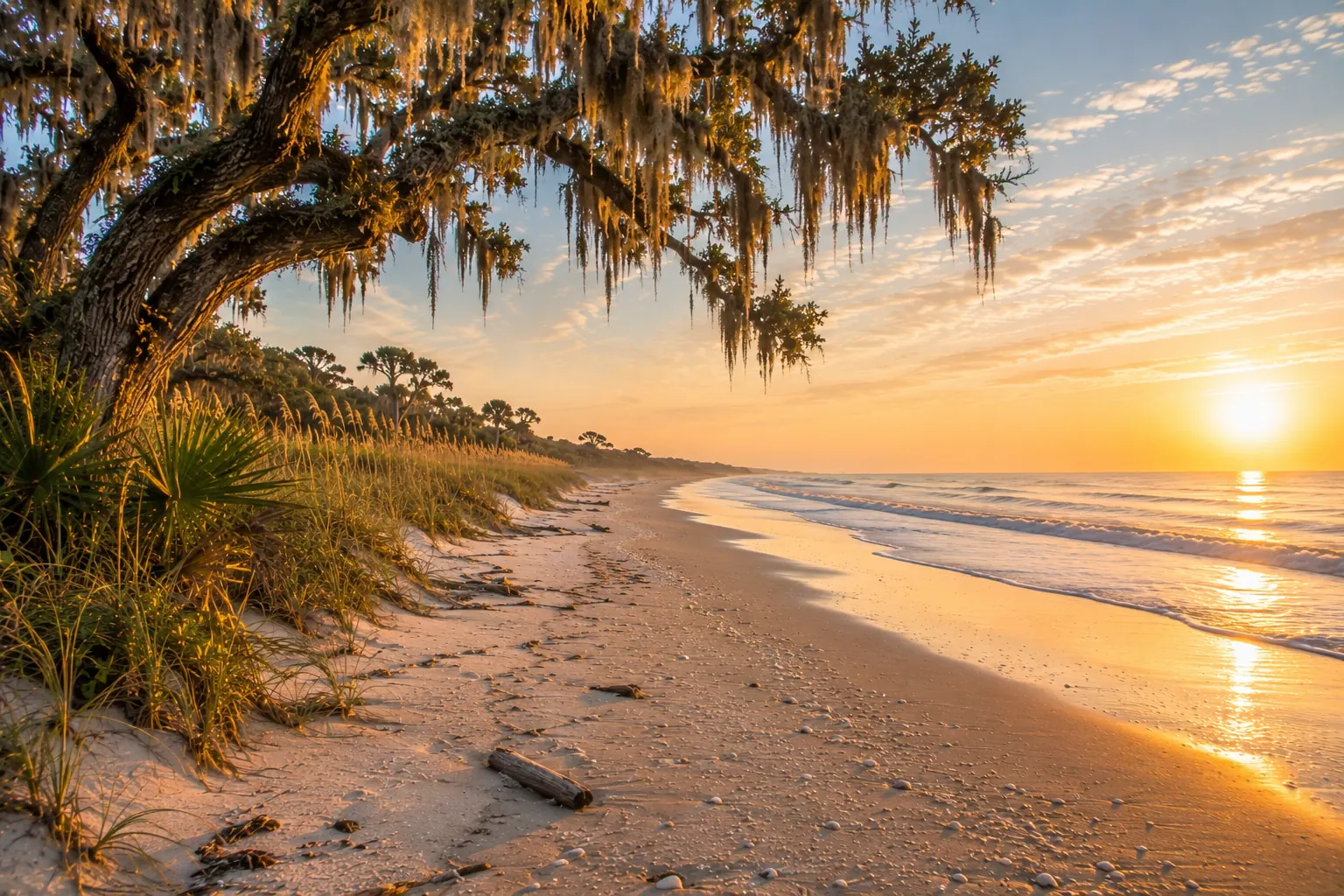
St. Simons Island
Golden Isles anchor with wide public beaches at East Beach and Gould's Inlet — moon snails, whelks, and jingles along a gentle Atlantic slope.
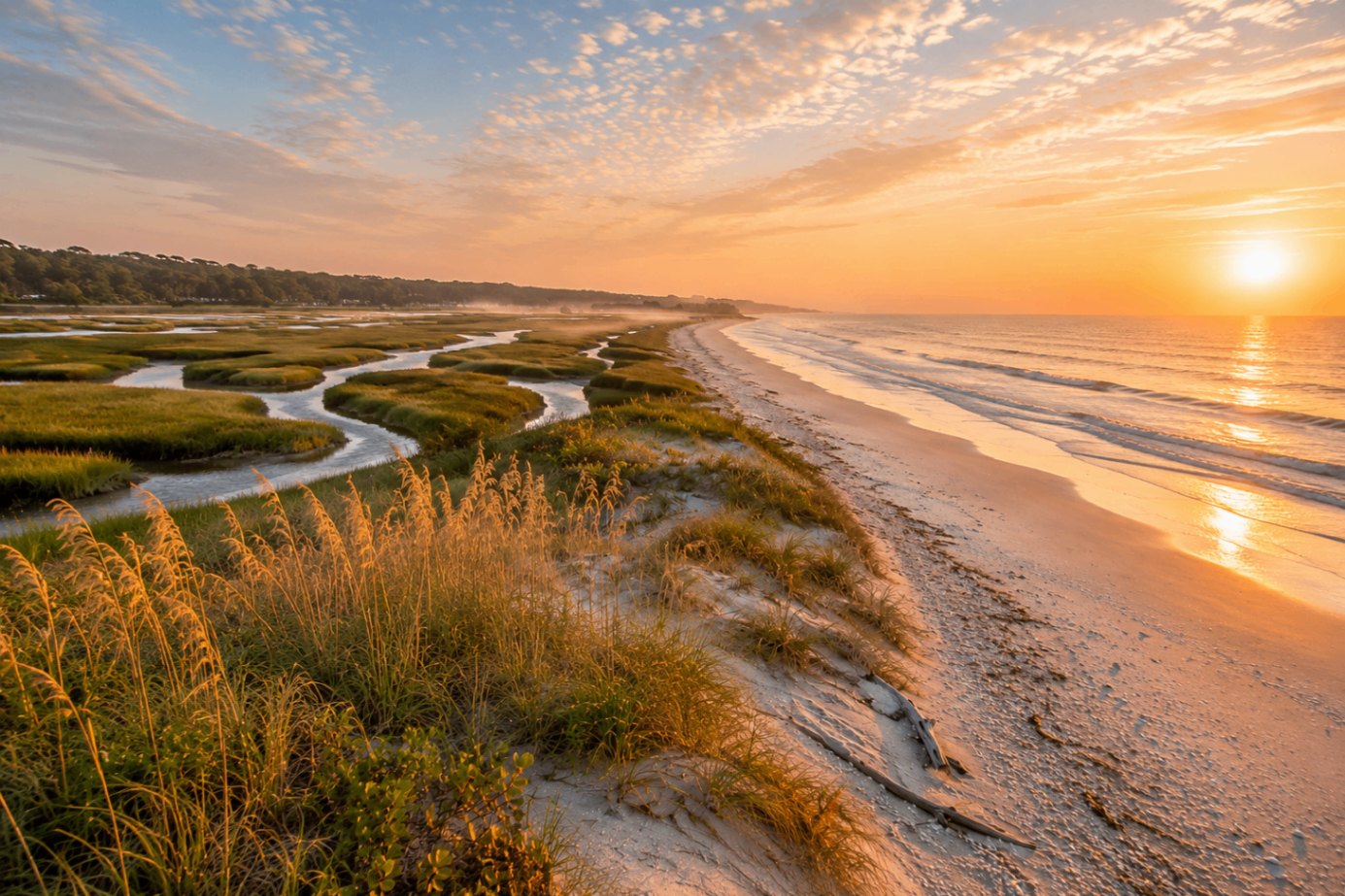
South Carolina Lowcountry · South Carolina
Huntington Beach State Park
A three-mile stretch of protected Atlantic beach south of Myrtle Beach — the state park's low-slope shore reliably delivers lettered olives, moon snails, and knobbed whelks.
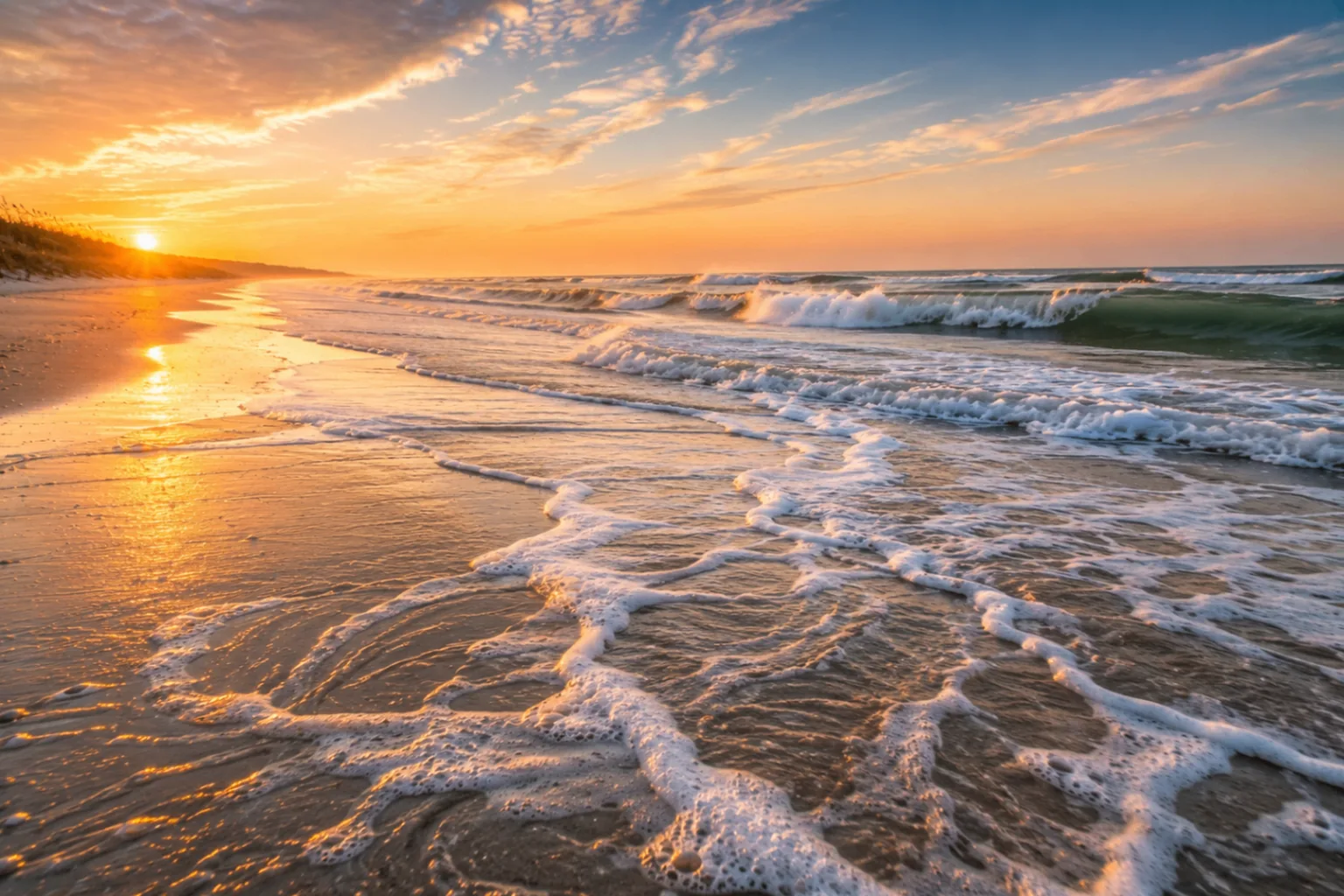
South Carolina Lowcountry · South Carolina
Folly Beach
Charleston's barrier-island beach — the eastern washout end and the Lighthouse Inlet spit yield lettered olives, whelks, moon snails, and the occasional fossilised shark tooth.
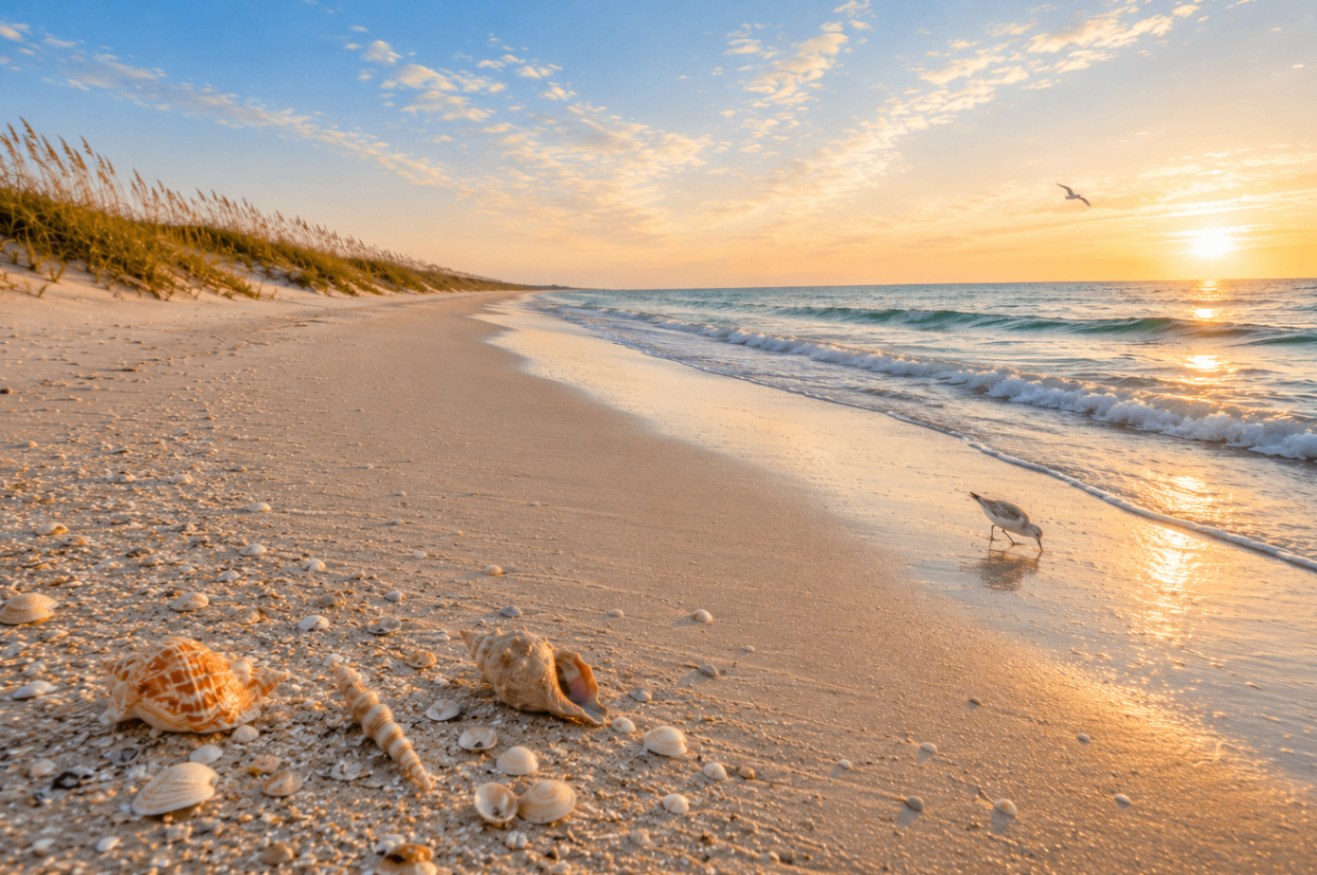
North Carolina Crystal Coast · North Carolina
Emerald Isle
The western anchor of the Crystal Coast's Bogue Banks — a south-facing Atlantic beach whose Scotch bonnets, whelks, and augers appear reliably after nor'easters.
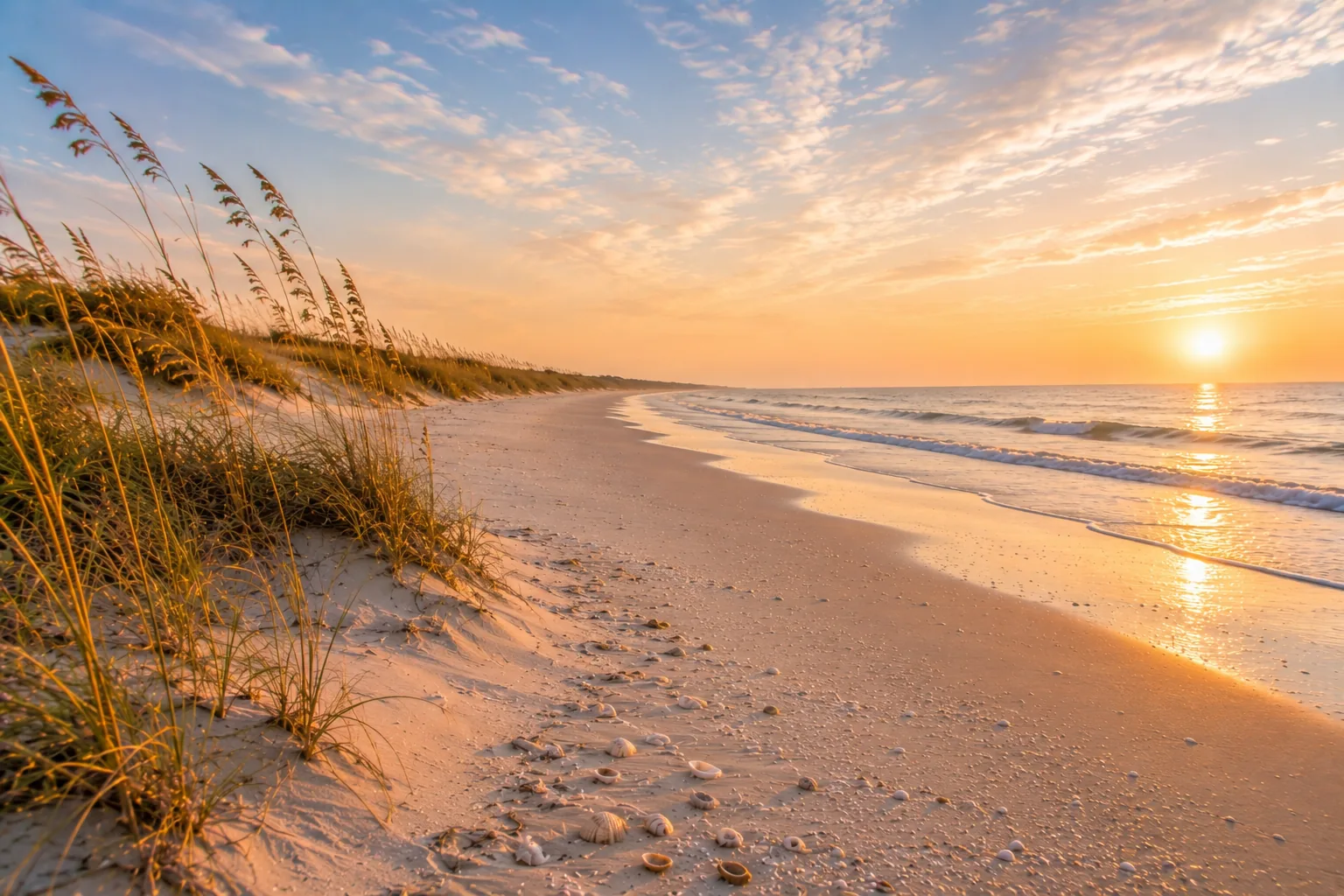
North Carolina Outer Banks · North Carolina
Ocracoke Island
A ferry-only Outer Banks island south of Hatteras — sixteen miles of protected National Seashore beach where Scotch bonnets and knobbed whelks still reach the wrack line.
Continue Exploring
Guides, articles, and coastal favorites
A curated set of related reading and coastal-favorite collections drawn from the taxonomy behind this hub.
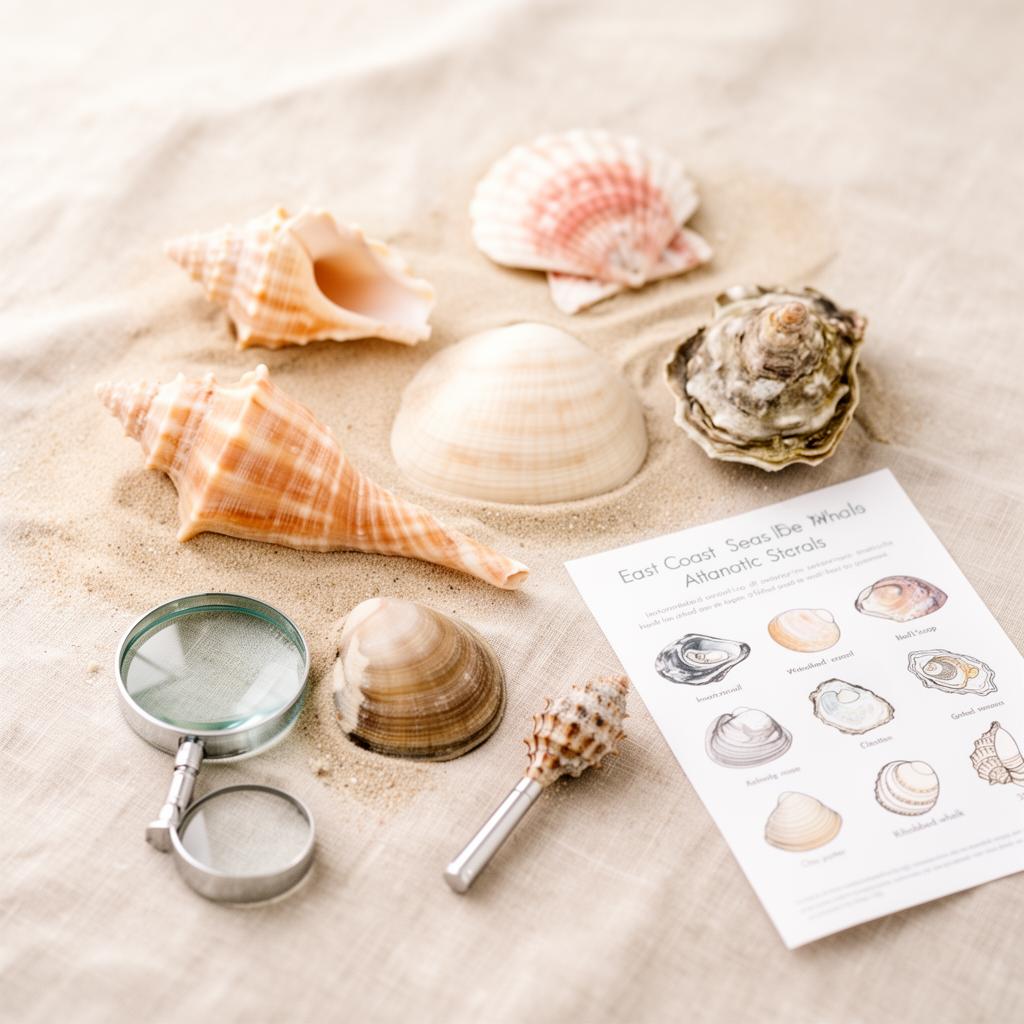
Article
How to Identify Common East Coast Seashells and Where to Find Them
Hand-picked next step from the editors.
Guide
Lightning Whelk vs. Knobbed Whelk: A Field ID
Hand-picked next step from the editors.
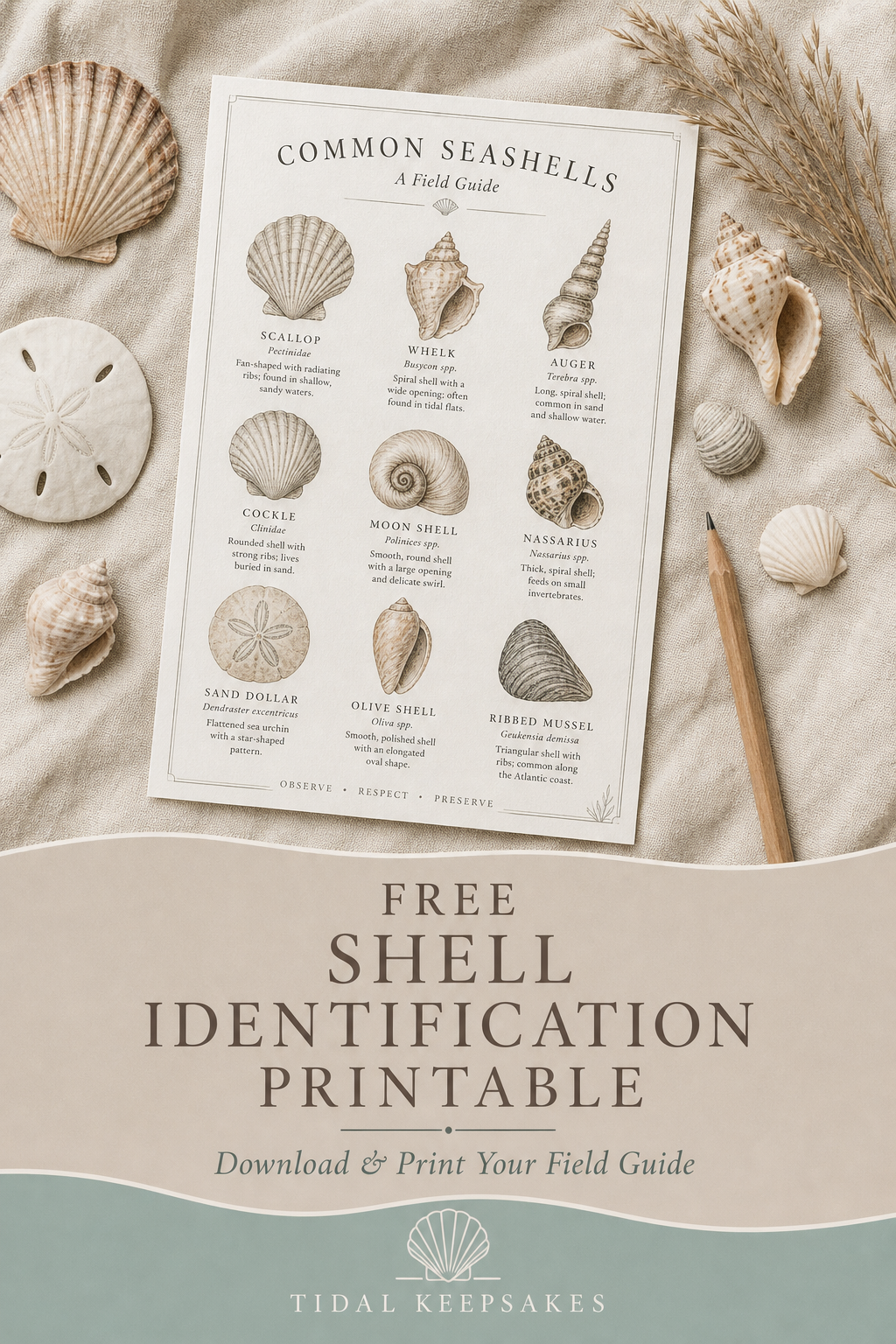
Resource
Free Shell Identification Printable
Hand-picked next step from the editors.
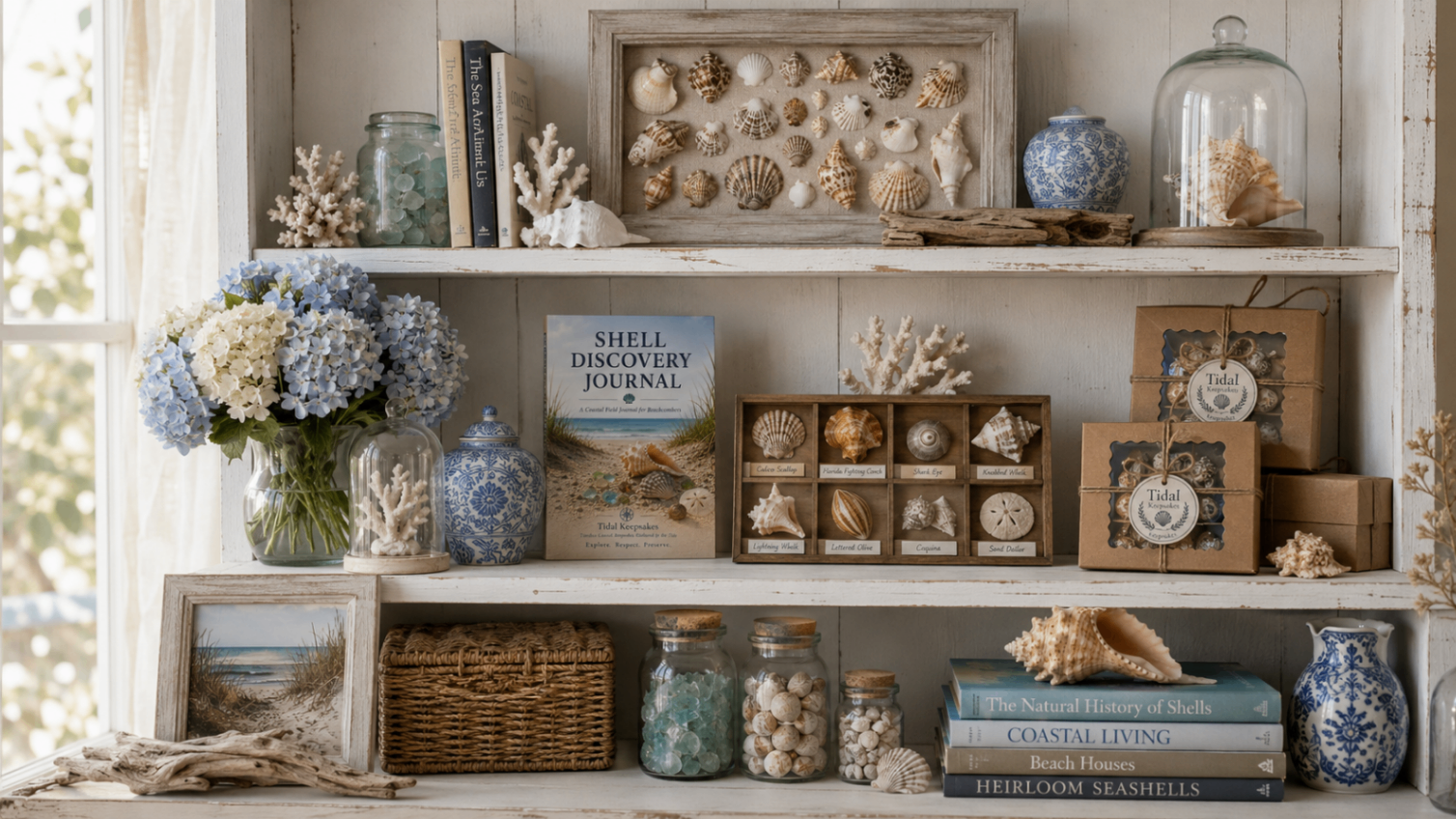
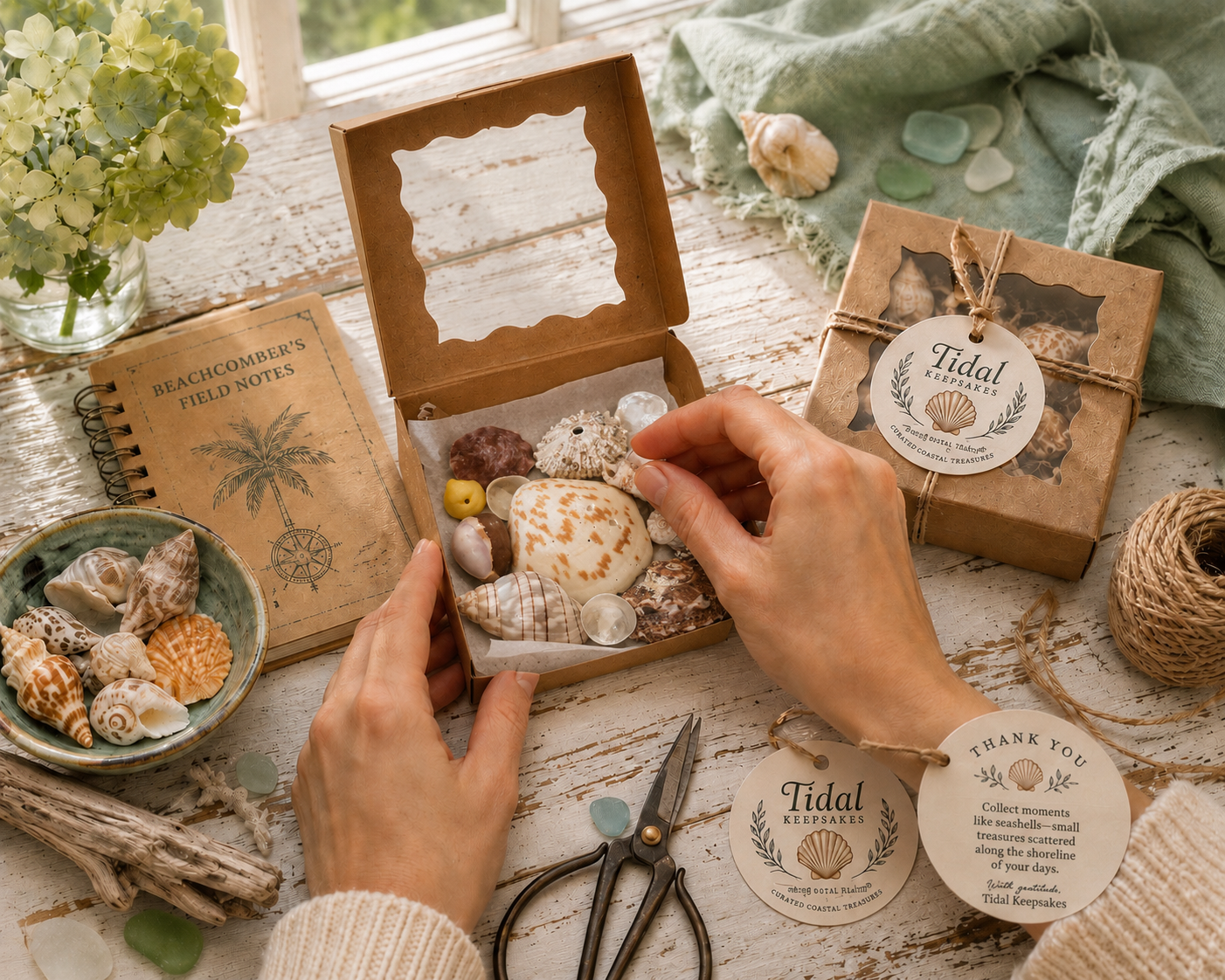
Curated Shell Box
The Collector Box
See these ideas in a curated collection.
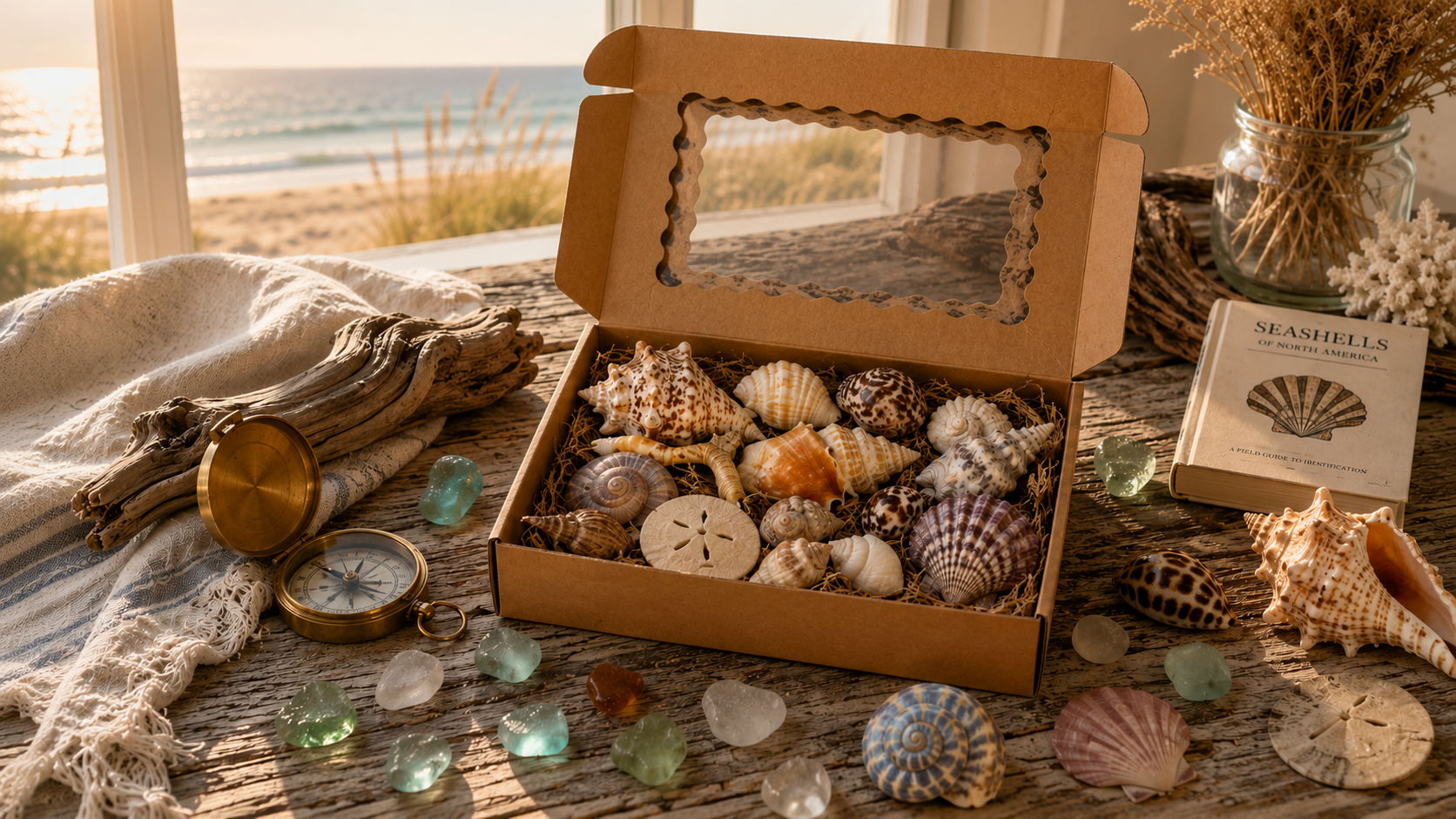
Discover More Coastal Inspiration
Curated coastal favorites and specimen boxes that echo the story above.
Frequently Asked
Questions collectors ask about this hub
- How do you know if a whelk is left- or right-handed?
- Hold the shell with the spire up and the opening (aperture) toward you. If the aperture is on your left, the whelk is sinistral (left-handed) — the diagnostic feature of the lightning whelk.
- Are whelks and conchs the same thing?
- No. In American English 'conch' is used loosely, but whelks (family Busyconidae) and true conchs (family Strombidae) are separate families with different shell shape, foot structure, and diet.