 Save
SaveBeachcombing & Shell Collecting
5 Beaches, 5 Completely Different Shell Collections
Why the Beach You Visit Changes Everything You Find
You walk onto the beach with a shell bag in your hand and your eyes fixed on the tide line.
Maybe you are hoping for a perfect whelk. A tiny olive. A colorful scallop. Or one of those shells you have seen in photographs but never found for yourself.
But here is something every beachcomber eventually learns. The beach decides what kind of shell collection you will build.
Water temperature matters. Marine habitat matters. Currents matter. Wind matters. The shape of the shoreline matters. Even the sand beneath your feet changes what reaches the tide line.
Walk the pink sands of Bermuda and your discoveries look different from shells found along Florida's Gulf Coast. Search a quiet Forgotten Coast beach and you might study whelks and olives. Explore a tropical island and suddenly conchs, nerites, and tiny tropical shells become the treasures worth watching for.
The timing of your visit matters too. A beach searched at noon in July might look almost empty. Walk the same shoreline early in the morning near low tide after several days of wind and the beach might tell a completely different story.
Five beaches. Five shorelines. Five completely different shell collections. Let's see what each beach might place along the tide line.
Rose Island, Bahamas
The Tropical Shell Collection
 Save
SaveRose Island feels like the place to slow down and look closely.
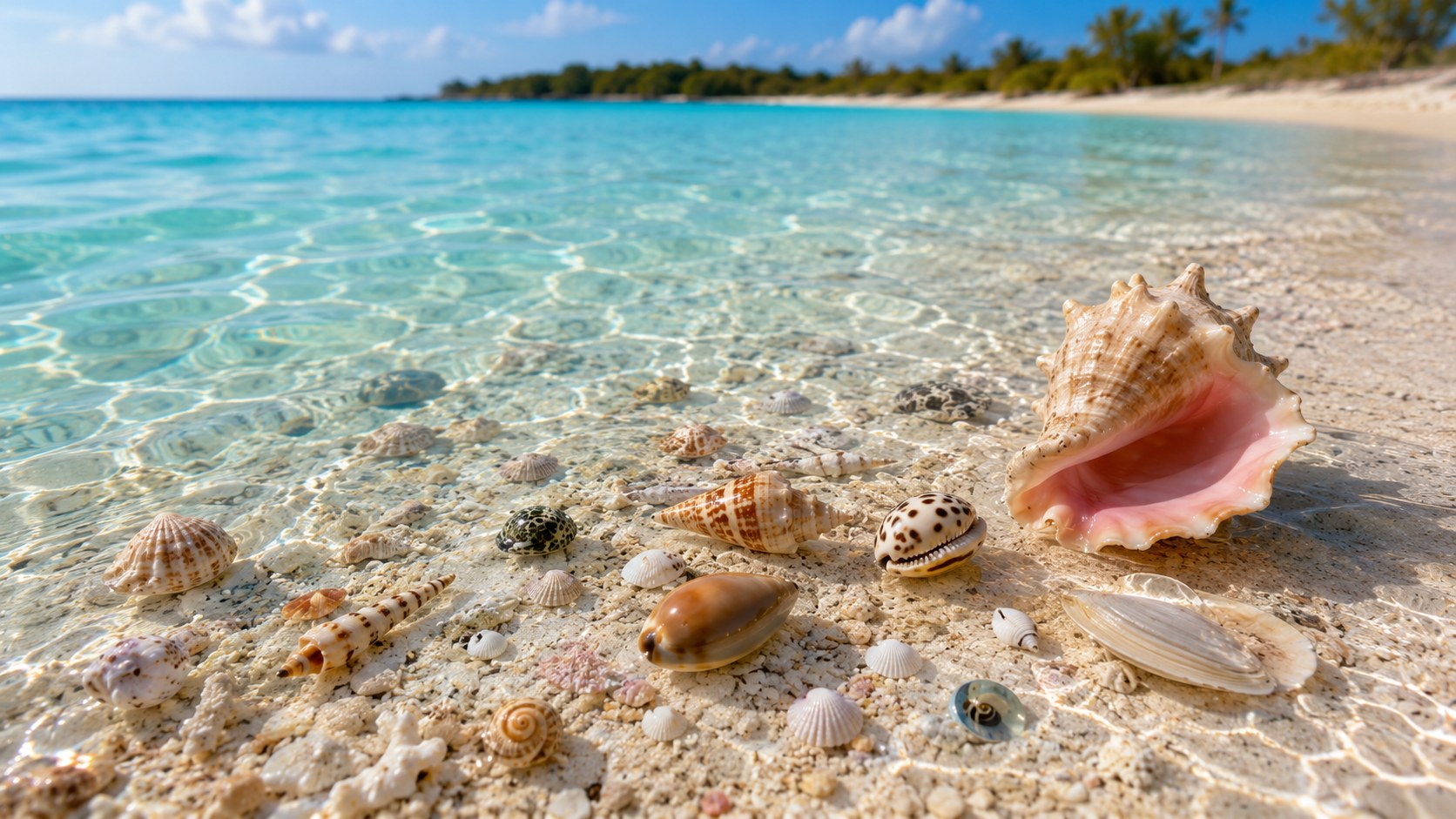
Located off New Providence near Nassau, Rose Island is reached by boat. Clear Bahamian water, shallow marine habitats, and a tropical environment create a beachcombing experience quite different from a walk along Florida's Gulf Coast.
Queen conchs are among the shells most closely associated with the Bahamas. Their heavy shells and soft pink interiors are unmistakable.
But the smaller shells might become the most interesting part of a Rose Island beach study.
 Save
SaveShells to Watch For
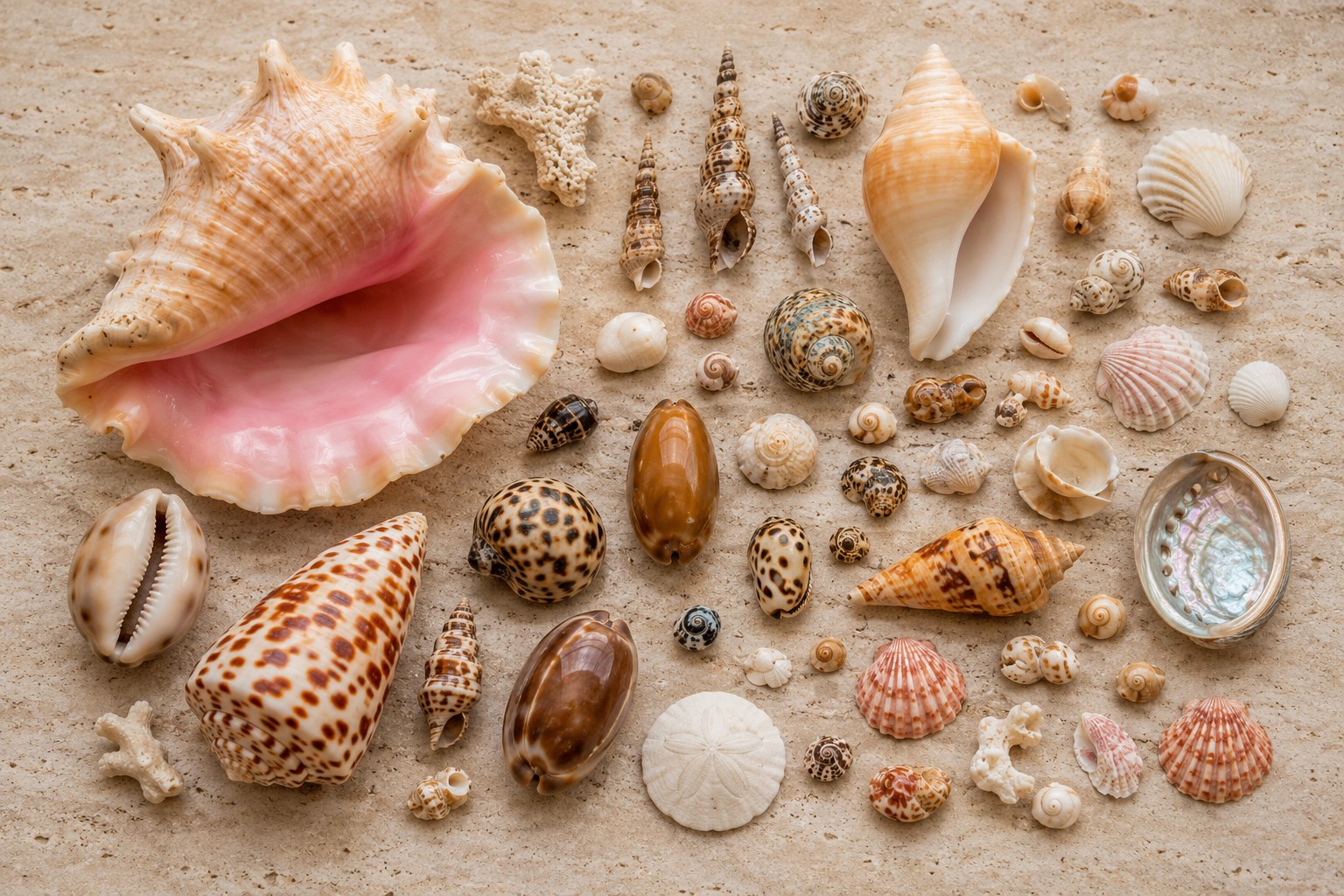
Look closely for tropical shell families and beach finds such as:
- Conchs
- Cowries
- Cone shells
- Olive shells
- Nerites
- Ceriths
- Dove shells
- Tellins
- Cockles
- Limpets
- Turban and top shells
- Shell fragments
- Urchin remains
- Other small tropical gastropods and bivalves
Species vary by habitat and by the exact stretch of shoreline. That is part of the fun. Tiny shells often collect among shell grit and natural debris near the tide line. A small patterned shell might sit among hundreds of pale fragments.
Best Time of Year to Visit Rose Island
December through April is a popular time for a Bahamas beach trip. The weather is generally comfortable for long days outdoors, and many travelers visit Nassau and the surrounding islands during the winter dry-season travel period.
For a beachcomber, the comfortable temperatures make slow shoreline walks much easier.
The tradeoff is simple. This is also a popular travel season. If you prefer fewer visitors and are comfortable with warmer conditions, the shoulder months might offer a quieter island experience.
Weather always matters in the Bahamas. Tropical weather and changing marine conditions affect boat travel, visibility, and shoreline deposits.
Where to Look for Shells
Do not walk directly down the middle of a smooth sandy beach and assume there are no shells. Search the transitions.
Look where clean sand changes into shell grit. Study natural debris lines. Check small pockets between rocks where loose marine material settles. Look along the upper edge of the previous high tide. Study shallow-water sand patches where access is safe and permitted. Pay attention to small coves and protected sections of shoreline.
The most obvious stretch of sand is not always the most interesting. A small pocket of shell grit might hold more variety than several hundred feet of open beach.
Best Time to Look
Start early. Morning gives you time to study the shoreline before the beach becomes busier.
Then pay attention to the tide. A falling tide exposes more shoreline and creates new places to search. Near low tide, study freshly exposed sand and shell deposits. If the water has been rough, check the new wrack and shell lines after conditions settle.
Never enter rough water for a shell. The best shell is the one you safely observe.
Local Culture Tip
Conch is more than a shell in the Bahamas. Conch is part of Bahamian food and coastal culture.
After a day near Rose Island, spend time in Nassau learning about conch beyond the shell itself. Visit a local conch stand or fish fry and watch how fresh conch salad is prepared. Potter's Cay and Nassau's fish fry culture offer a closer look at the connection between Bahamian waters, local food, and conch traditions.
For a shell collector, this adds another layer to the story. You are no longer looking at a shell as an isolated object. You are learning how one marine species connects to an island's food, history, and daily life.
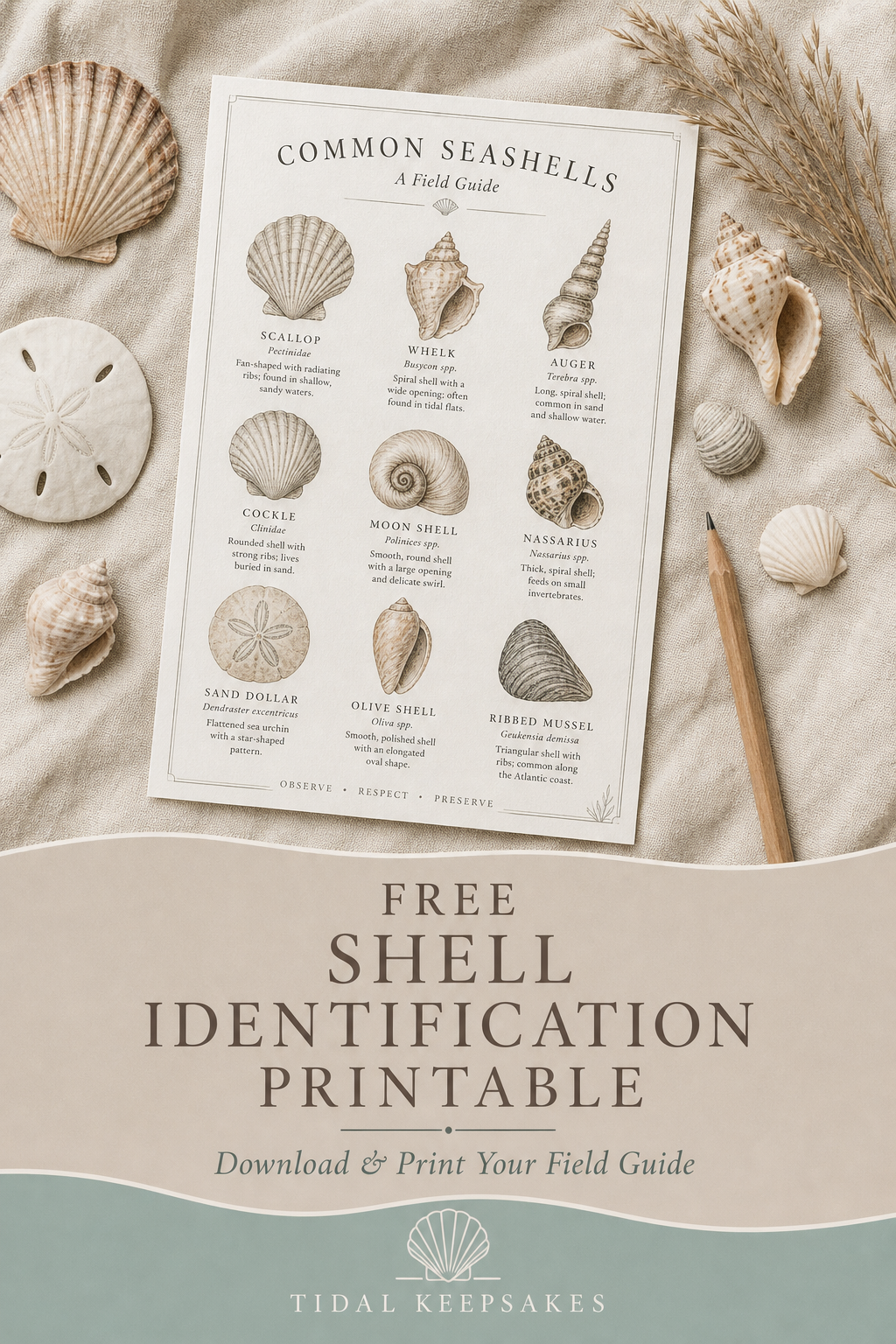
Name every tropical find with the Shell Identification Guide →
Horseshoe Bay, Bermuda
The Pink Sand Micro Collection
 Save
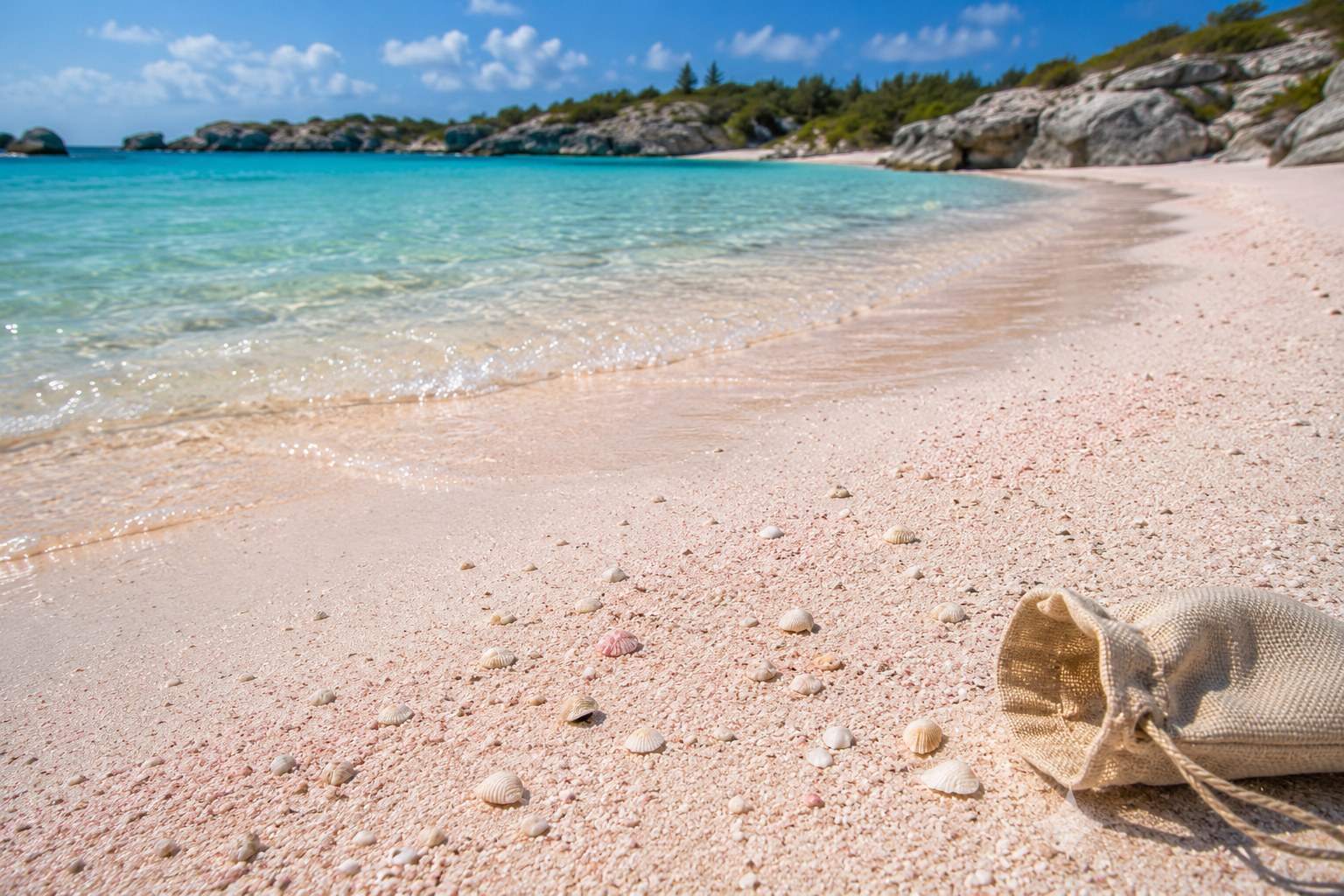
SaveMost people arrive at Horseshoe Bay looking at the color of the sand. Beachcombers should look even closer.
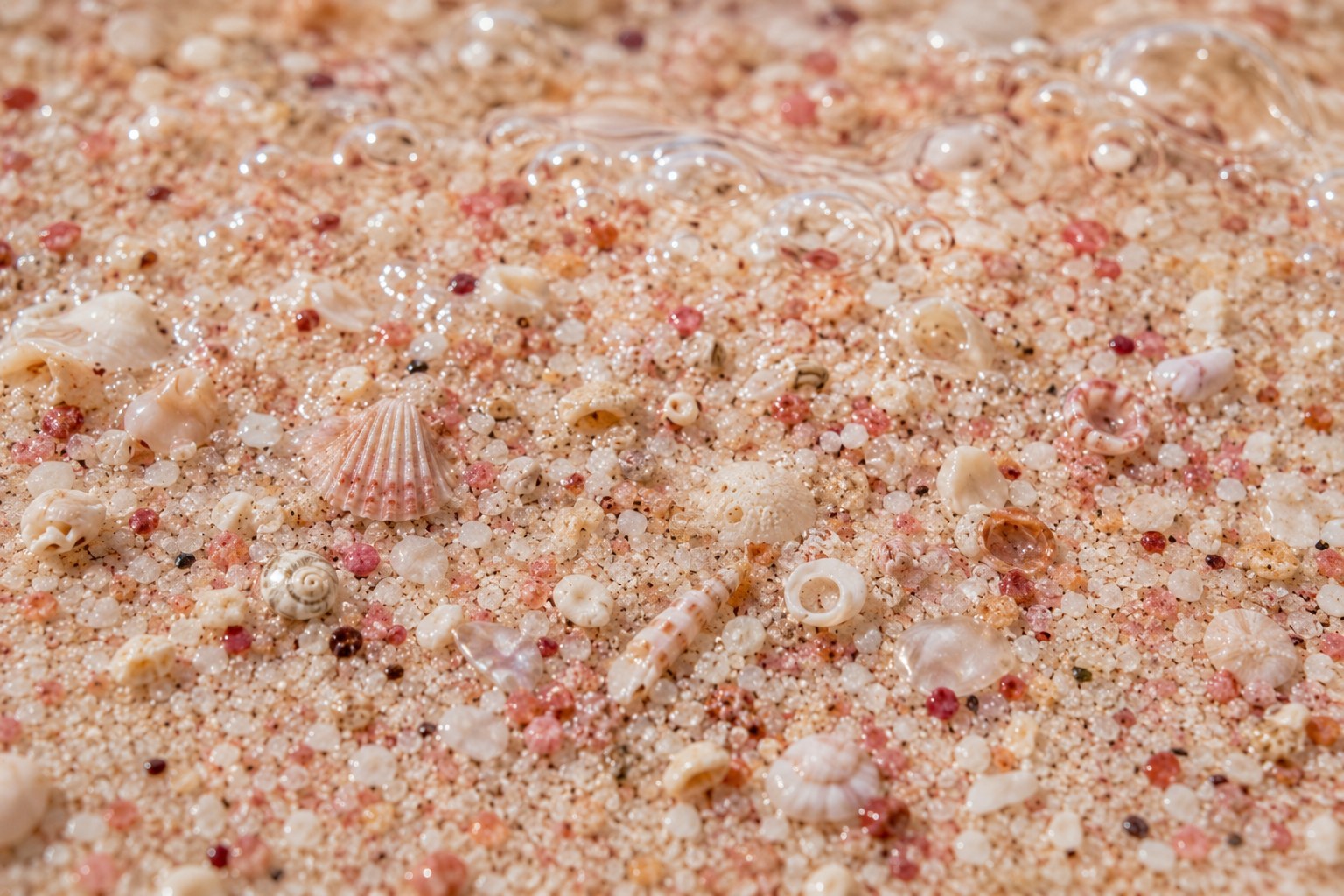
Bermuda's famous pink sand receives part of its color from tiny marine organisms called foraminifera. Their reddish and pink skeletal remains mix with pale sand and other marine material.
Suddenly the beach beneath your feet becomes a collection of tiny details.
 Save
SaveShells & Beach Treasures to Watch For
You might notice:
- Small bivalves
- Tiny tellins
- Coquina-like shells
- Small scallops
- Ark shells
- Nerites
- Ceriths
- Limpets
- Dove shells
- Chiton fragments
- Worm shell fragments
- Urchin fragments
- Shell grit
- Marine fragments mixed through the sand
This is not the beach where I would spend hours searching for giant shells. This is a beach for tiny discoveries.
Best Time of Year to Visit Horseshoe Bay
Late spring through early fall offers the classic Bermuda beach experience. May through October is the primary season for warmer beach weather.
Summer brings warm water and active beach days. The tradeoff is larger crowds.
For a beachcomber who wants to study the sand rather than claim a lounge chair, late spring and early fall offer an appealing balance. You still get the beauty of Bermuda's South Shore with a better opportunity for a slower beach walk.
Where to Look
Start near the waterline. The sand closest to the water often shows stronger pink tones, especially when more wet sand is exposed. That makes the wet-sand zone an ideal place for a close beach study.
Look along the edge of the retreating water. Study shell grit. Check natural debris lines. Examine small pockets near limestone formations without climbing unstable rocks or disturbing marine life.
Walk toward quieter sections of the beach. If Horseshoe Bay feels crowded, the South Shore contains connected beaches and coves worth exploring.
The goal here is not quantity. The goal is observation.
Best Time to Look
Visit early in the morning. Then coordinate your beach walk with low tide. Low tide exposes more wet sand and creates more space for a close sand study.
Get close to the beach. A standing beachcomber sees a beautiful shoreline. A kneeling beachcomber sees individual grains, tiny shell fragments, miniature bivalves, and pieces of marine history.
Local Favorite Tip
Horseshoe Bay is Bermuda's famous beach. Do not end your South Shore exploration there.
Walk the South Shore beach trail and explore the smaller coves and beaches nearby. Jobson's Cove offers a quieter contrast to Horseshoe Bay and is surrounded by limestone formations.
Bermuda's South Shore is part of the experience. Give yourself time to walk. The smaller coves often create the type of slow coastal exploration beachcombers love.
Siesta Key, Florida
The Tiny Gulf Treasures Collection
 Save
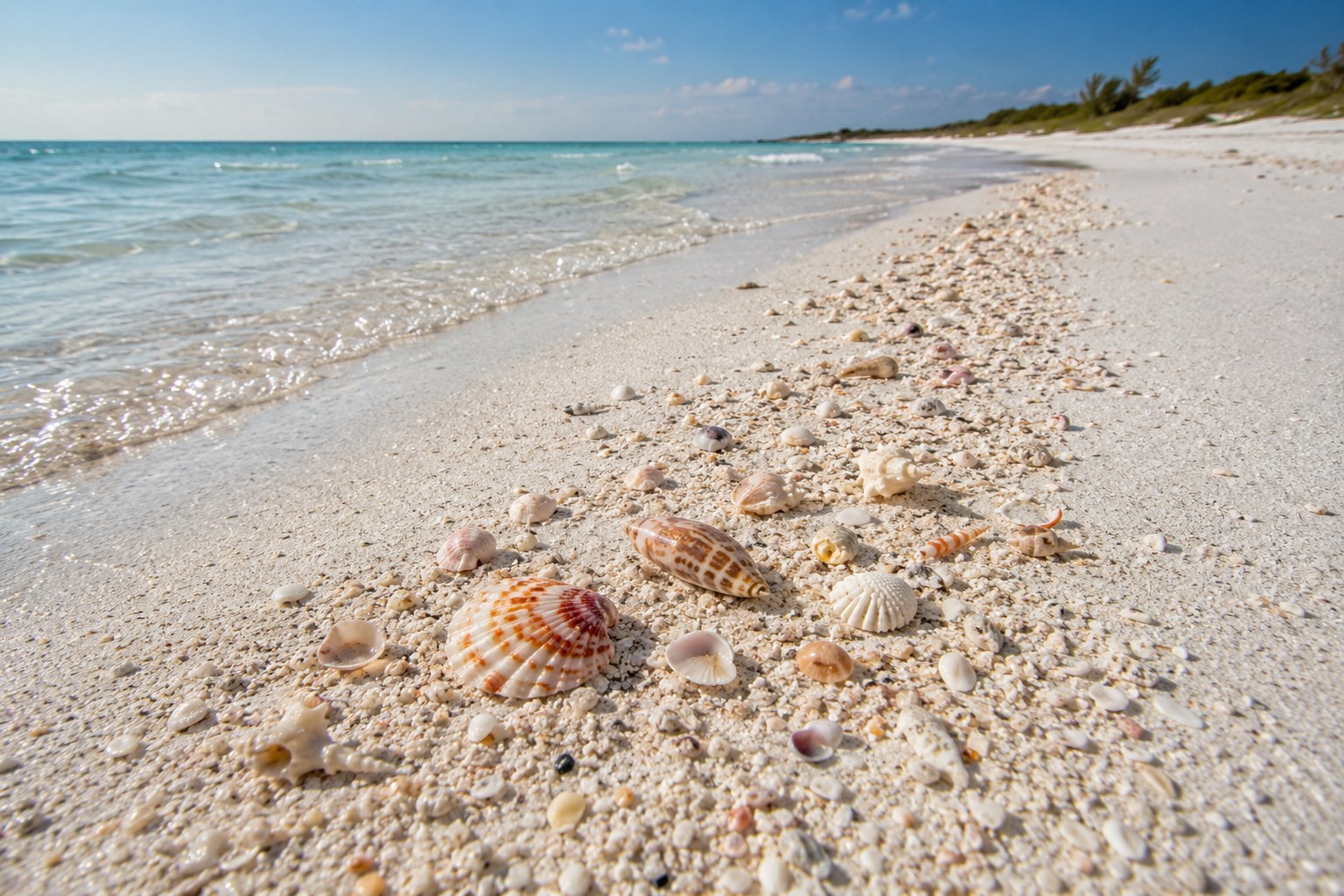
SaveSiesta Key is famous for white quartz sand. For shell collectors, the more interesting story often begins when you move away from the busiest stretch of Siesta Beach.
Turtle Beach and the southern end of the key offer a different beachcombing experience. Point of Rocks adds another type of marine habitat to explore and observe.
Florida Gulf shells begin appearing among shell deposits and tide lines.
 Save
SaveShells to Watch For
Depending on beach conditions, you might find or observe:
- Lightning whelks
- Florida fighting conchs
- Lettered olives
- Banded tulips
- True tulips
- Calico scallops
- Cockles
- Coquinas
- Murex shells
- Shark eyes and other moon snails
- Augers
- Ceriths
- Jingle shells
- Ark shells
- Kitten's paws
- Other Gulf Coast bivalves and gastropods
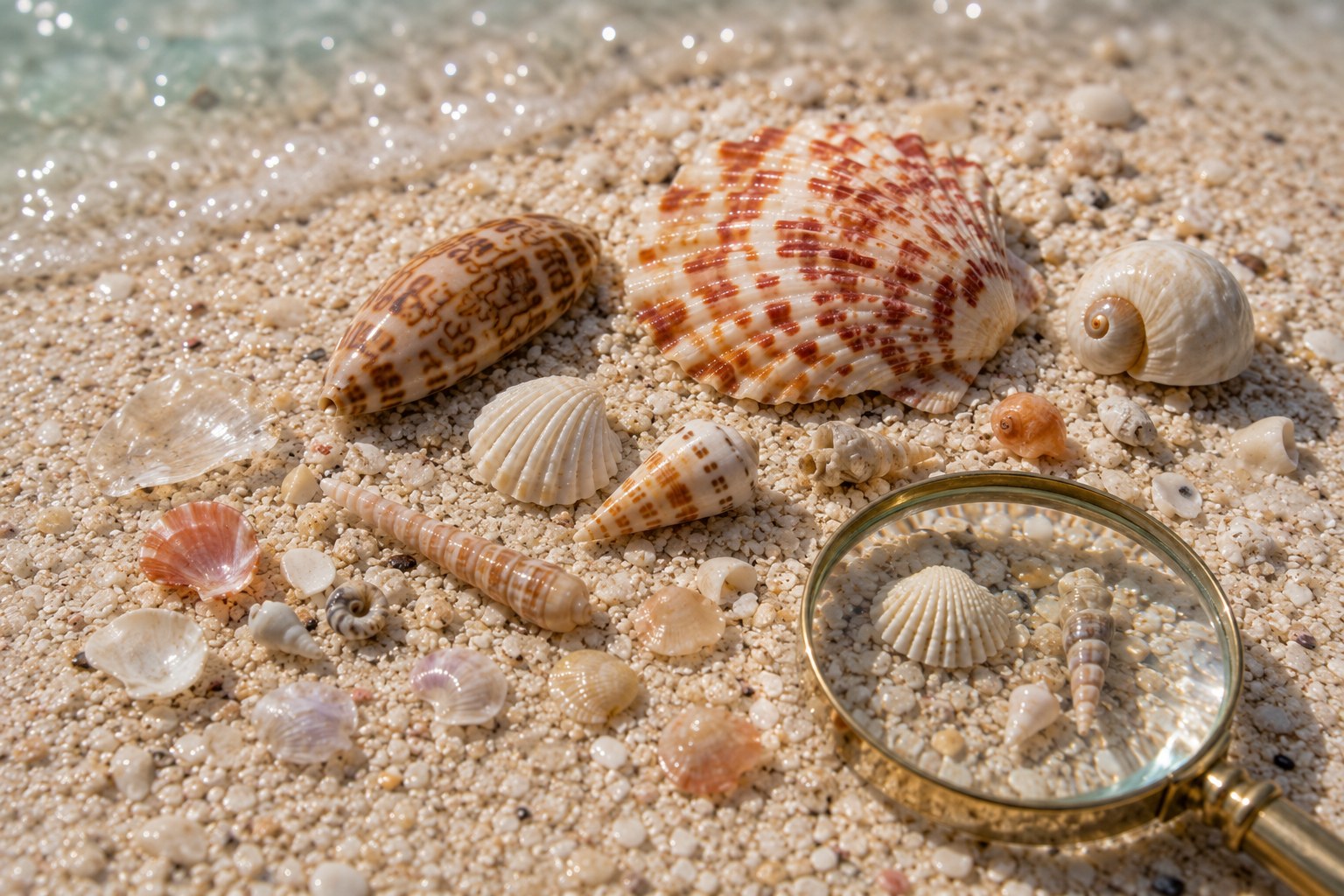
The temptation is to search for the largest whelk on the beach. Try something different. Look for color.
Calico scallops appear in beautiful combinations of cream, orange, yellow, red, and brown. Lettered olives have polished surfaces and delicate markings. Tiny kitten's paws have ridged shells shaped almost like miniature animal paws.
Best Time of Year to Visit Siesta Key
Late fall through spring is an appealing time for serious beach walking. The temperatures are often more comfortable for long shelling sessions, and seasonal Gulf weather might rearrange the shoreline.
Winter cold fronts and changing winds sometimes churn Gulf waters. The beach you walked yesterday might look different the next morning.
Spring also offers pleasant beach conditions before the strongest summer heat arrives. Summer still offers shelling opportunities — plan early morning walks before the sand heats up and beach crowds increase.
Where to Look for Shells
Do not make Siesta Beach your only shelling stop. Turtle Beach should be high on your list. Turtle Beach offers a more rugged shoreline and a different shelling experience from the broad quartz sand of Siesta Beach.
Walk the shell line. Follow the high-tide mark. Look for pockets where shells collect together. Search beyond the busiest beach access areas when safe.
Point of Rocks, south of Crescent Beach, offers marine observation and snorkeling opportunities when water conditions are suitable. The rocky habitat creates a different experience from an open sandy shoreline. Observe living marine animals without removing them.
Best Time to Look
Plan your shelling walk around low tide. A useful window is roughly one hour before low tide through one hour after low tide.
Start early in the morning when possible. Fresh shell deposits often arrive overnight. After choppy Gulf conditions or a storm, study the new wrack line and shell deposits once the beach and water are safe.
Walk the high-tide shell line first, then move toward the active waterline. If you see a pocket of shells, stop. Do not keep walking because you are searching for something larger. Sit down and study the pile.
Local Favorite Tip
After your early shelling walk, head into Siesta Key Village. The Village is part of the Siesta Key experience, with local shops, seafood, music, and an easy beach-town atmosphere.
For another local-style evening experience, return to Siesta Beach for sunset. The beach has a different personality at the end of the day. Your morning might be about shells. Your evening is about watching the Gulf.
Eagle Beach, Aruba
The Photograph and Leave Collection
 Save
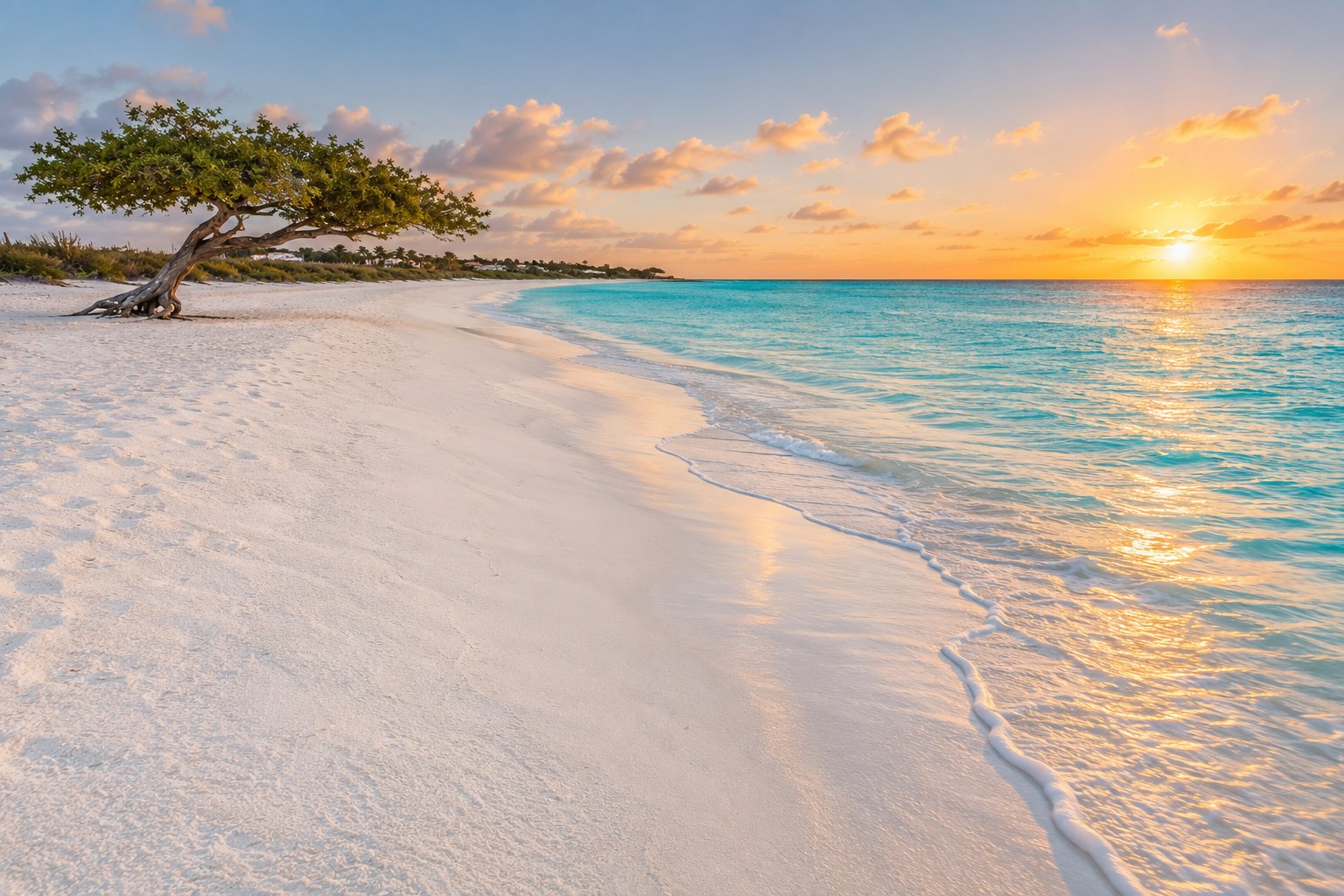
SaveSome beaches change the way we think about collecting. Eagle Beach is one of them.
Aruba asks visitors to leave shells, coral, and other natural materials on the island. For a beachcomber, this creates a different type of collection.
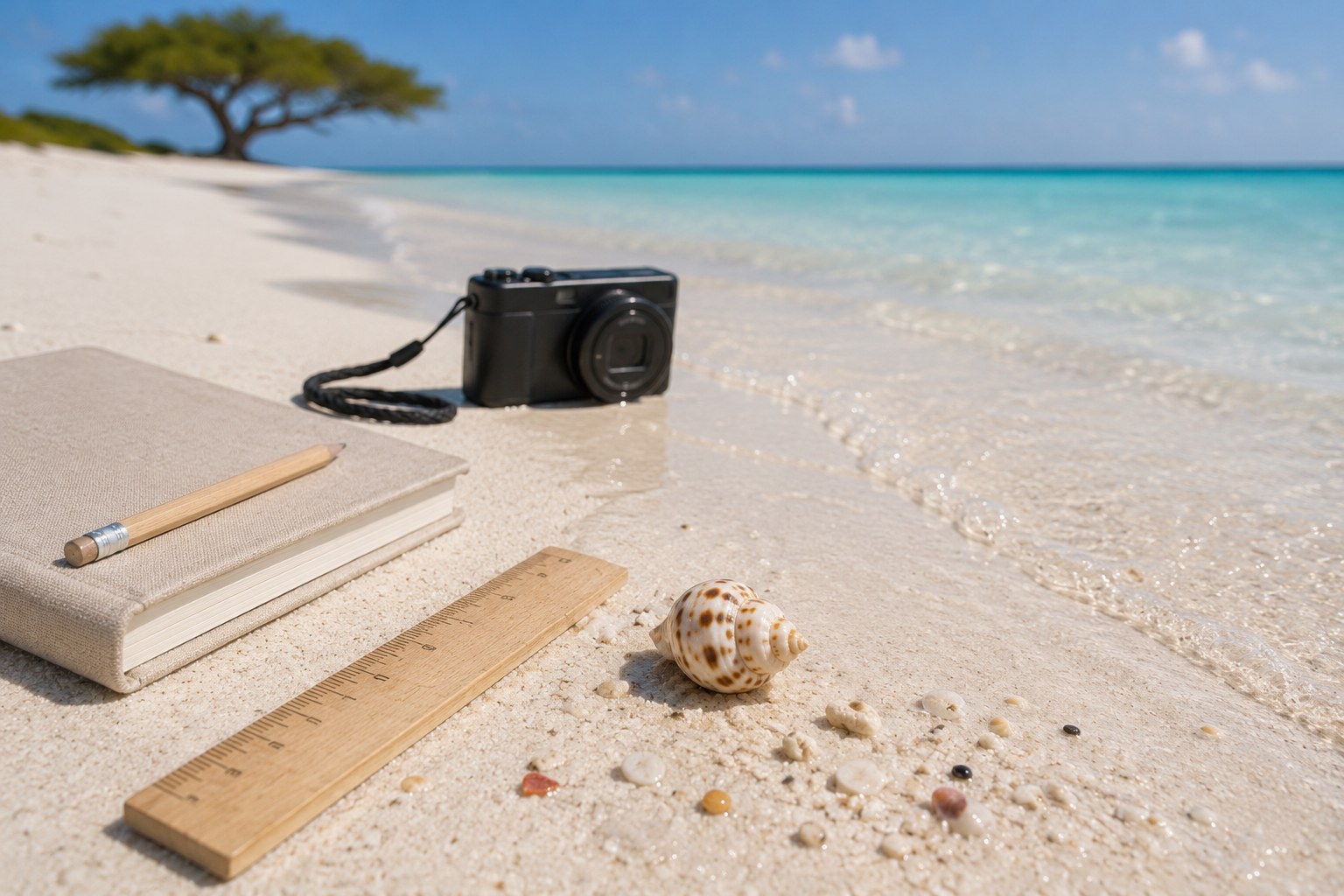
How do you keep a beach memory without bringing the beach home? You photograph it. You identify it. You record it. Then you leave it where you found it.
 Save
SaveShells to Observe
Along Aruba's shoreline you might observe:
- Small bivalves
- Tellins
- Cockles
- Ark shells
- Ceriths
- Nerites
- Limpets
- Dove shells
- Small tropical gastropods
- Conch fragments
- Urchin fragments
- Coral material
- Other marine remains
Species and deposits change with location and shoreline conditions. Eagle Beach is not a beach where I would arrive with a large collecting bag. Bring your camera and Shell Discovery Journal instead.
Best Time of Year to Visit Eagle Beach
Aruba offers warm weather throughout the year. January through March is the island's popular high season. This period also overlaps with Carnival season, giving visitors a chance to experience another side of Aruban culture.
Travelers who prefer fewer peak-season crowds often consider other months.
Aruba's trade winds are part of the island's coastal personality. Those winds feel wonderful on the beach. They also mean you should secure journal pages, hats, and lightweight beach gear.
Where to Look
Walk the active tide line. Study natural debris deposits. Look for small shells near the edge of the water. Photograph marine fragments exactly where you see them. Pay attention to the transition between wet and dry sand.
Eagle Beach is a broad shoreline, so slow down. A wide beach tempts you to walk quickly. Beachcombers do better when they choose a smaller study area and examine it carefully.
Best Time to Look
Early morning is my choice. The beach is quieter. The sun is lower. Photography is easier. The sand is more comfortable for a long walk.
Start near the waterline and follow the shoreline slowly. Because this is an observation collection, perfect shelling conditions matter less. You are recording what the beach shows you on a specific day. That becomes the story.
Local Culture Tip
Look for Aruba's fofoti trees while visiting Eagle Beach. The winds shape their recognizable silhouettes, and the trees have become one of Aruba's most photographed natural symbols.
Then look beyond the resort version of Aruba. Learn a few Papiamento words. Try local food. Ask about island history. If you visit during Carnival season, make time for the celebrations.
A beach trip becomes more memorable when the shoreline is connected to the people and culture of the island.
St. George Island, Florida
The Forgotten Coast Shell Collection
 Save
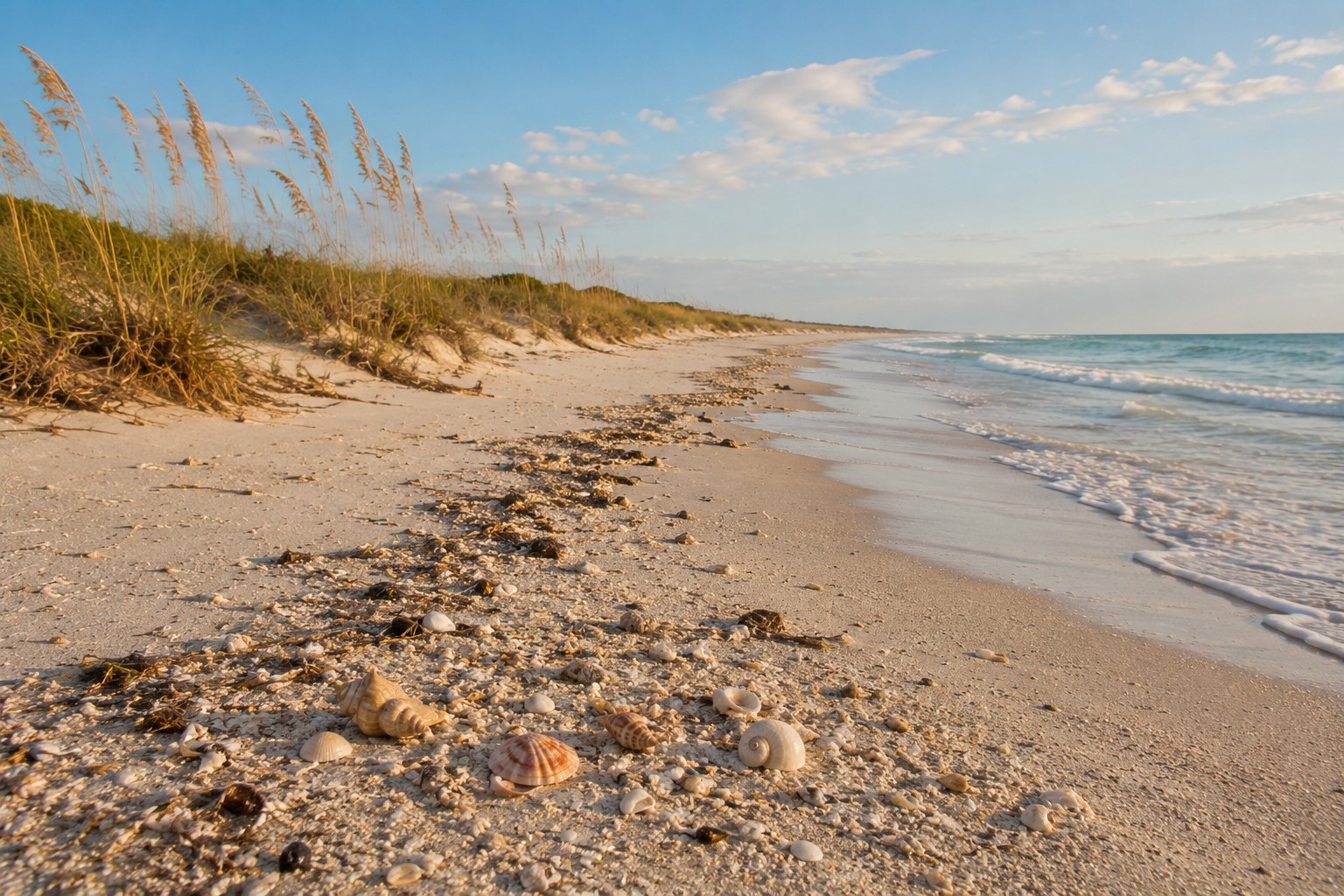
SaveSt. George Island offers a different type of shell hunt. Long stretches of shoreline. Natural tide lines. Shell deposits. Fewer people searching the same stretch of beach.
This is the type of beach where a beachcomber starts walking and forgets how far they have gone.
The Florida Forgotten Coast supports a Gulf shell collection filled with familiar favorites and possible surprises.
 Save
SaveShells to Watch For
Depending on beach and Gulf conditions, look for:
- Lightning whelks
- Knobbed whelks
- Pear whelks
- Florida fighting conchs
- Lettered olives
- Shark eyes and other moon snails
- Calico scallops
- Bay scallops
- Cockles
- Coquinas
- Ark shells
- Jingle shells
- Angel wings
- Pen shells
- Sunray venus
- Dosinias
- Augers
- Ceriths
- Kitten's paws
- Murex shells
- Other Gulf Coast shells and marine remains
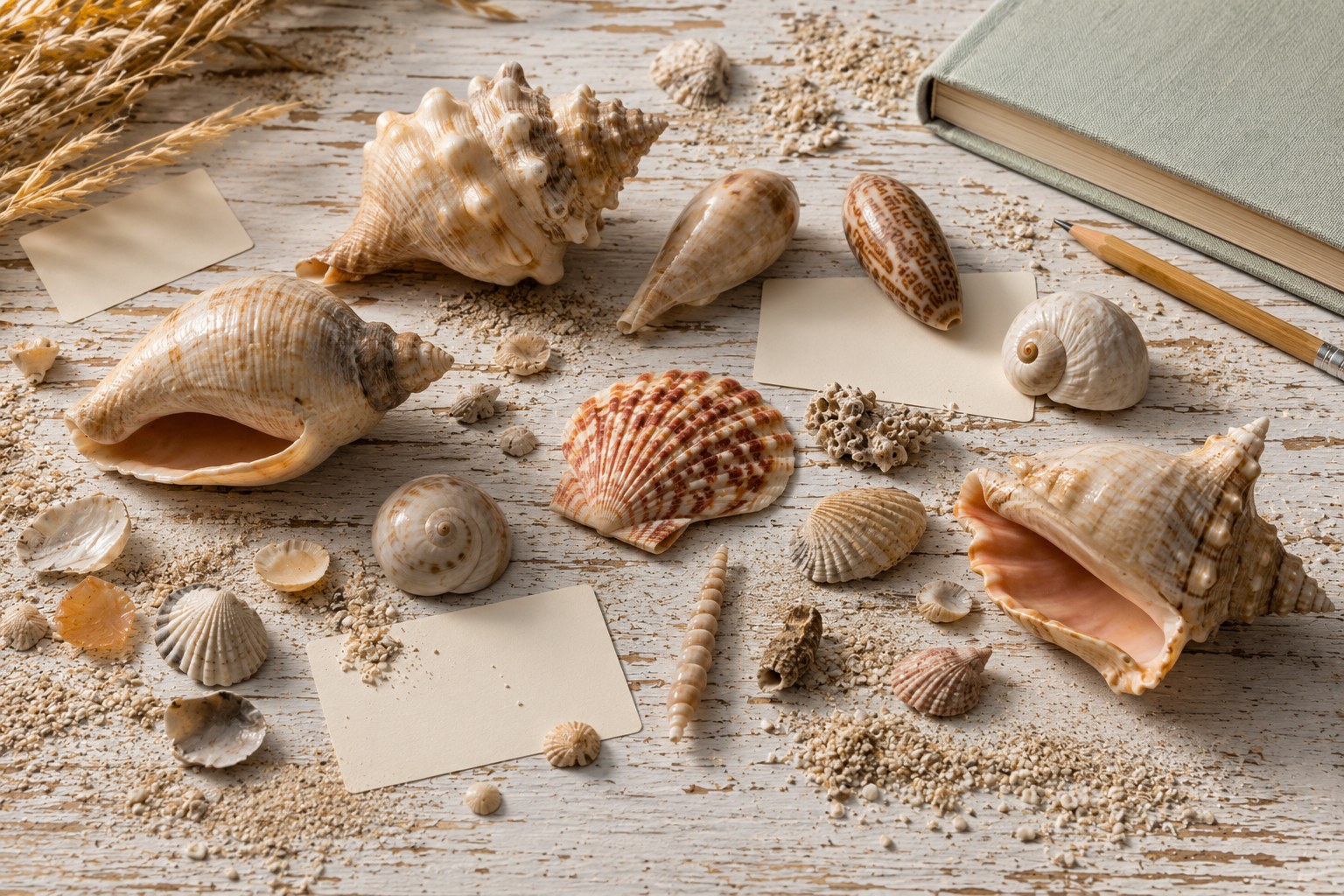
After changing tides or rougher Gulf conditions, larger shells sometimes become the focus of the search. An intact whelk. A large moon snail. A polished lettered olive. A colorful scallop. Each discovery earns a place in a Forgotten Coast field journal.
Best Time of Year to Visit St. George Island
Spring and fall are strong choices. The weather is often comfortable for long beach walks and crowds are lighter than during the summer vacation season. March, April, October, and early November are the months I would study first when planning a beachcombing trip.
Summer brings warm Gulf water and active beach days. It also brings heat, vacation crowds, and sea turtle nesting activity.
Winter offers a quieter shoreline. Cold fronts and Gulf weather might change beach conditions quickly. For a beachcomber, quiet does not mean boring. A windy day followed by calmer weather might completely rearrange a shell line.
Where to Look for Shells
Start with Dr. Julian G. Bruce St. George Island State Park. The park is known for shelling and beachcombing. The long natural shoreline creates a different experience from more developed Florida beaches.
Walk beyond the first busy section when conditions and park rules allow. Study the wrack line. Search shell deposits. Watch the receding water. Look for small wash zones where waves repeatedly push shells forward and pull sand away.
If you find one good shell pocket, slow down. Shells often collect because water movement, wind, and the shape of the shoreline are working together.
Best Time to Look
Early morning. Then plan around low tide. A strong shelling window begins two to three hours before low tide and continues as the water recedes and freshly exposed areas appear.
After rough Gulf conditions, return once weather and surf conditions are safe. Study the new shell lines. The beach might have removed yesterday's shells and replaced them with an entirely different collection.
Local Favorite Tip
Make time for Apalachicola. St. George Island and Apalachicola are part of the larger Forgotten Coast story. Apalachicola's maritime history, working waterfront heritage, and seafood culture add context to the barrier islands and bay.
Walk the historic downtown. Visit the local shops. Learn about Apalachicola Bay. Try local seafood.
Then return to St. George Island and look at the shoreline again. The shells, bay, Gulf, fishing history, and coastal communities are connected.
Find more shelling shorelines in the Best Beaches for Shelling guide →
Five Beaches. Five Collections.
Rose Island gives you a tropical shell family study. Horseshoe Bay teaches you to examine the smallest details beneath your feet. Siesta Key fills a specimen tray with tiny Gulf treasures. Eagle Beach shows you how to build a collection without taking shells home. St. George Island gives you the classic experience of walking a long tide line and wondering what the Gulf placed there overnight.
Each beach requires a different strategy.
- Rose Island asks you to study shell grit.
- Horseshoe Bay asks you to look closer.
- Siesta Key asks you to follow the shell line.
- Eagle Beach asks you to photograph and record.
- St. George Island asks you to return and search again.
The best shell collection is not always the collection with the rarest shells. Look at the labels beneath your shells — the beaches, the dates, the tide, the weather, and the tiny notes about where you found them. That is where the collection becomes yours.
Quick Beachcomber Comparison
Same tide line, five completely different collections. Use these destination cards to plan at a glance — from the best months to visit to where each shell hunt begins.
Continue Your Beachcombing Journey
Wherever your next collection begins, these are the tools and inspiration we reach for most.
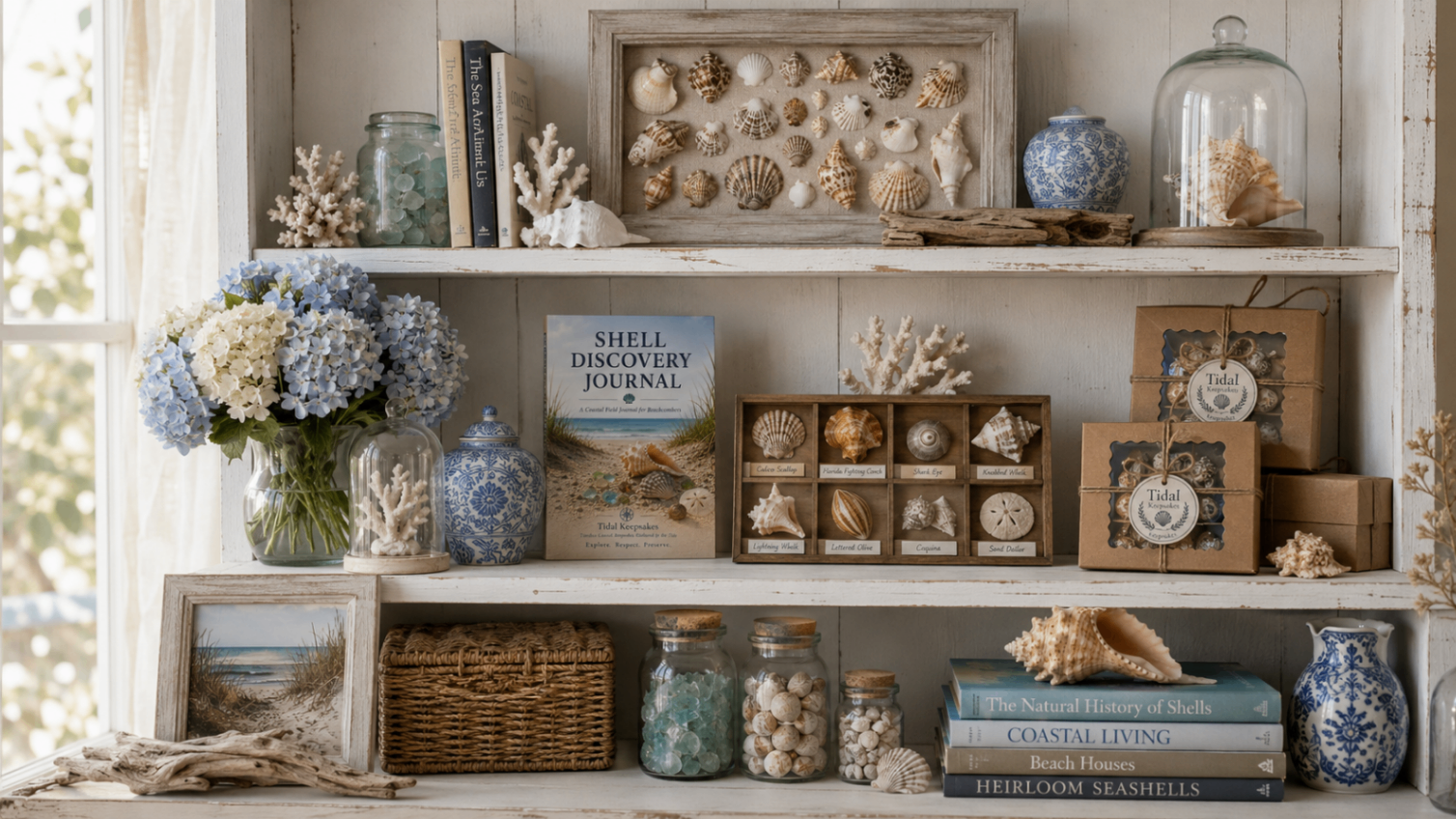
Shell Discovery Journal
Want to remember more than the shell's name? Record where you found each shell, the beach conditions, the tide, the weather, and the story behind your discovery.
Explore the Shell Discovery Journal →
Coastal Finds
Planning your next beach trip? Find shell identification books, beachcombing tools, magnifiers, specimen storage, and shell display ideas selected for beach lovers and collectors.
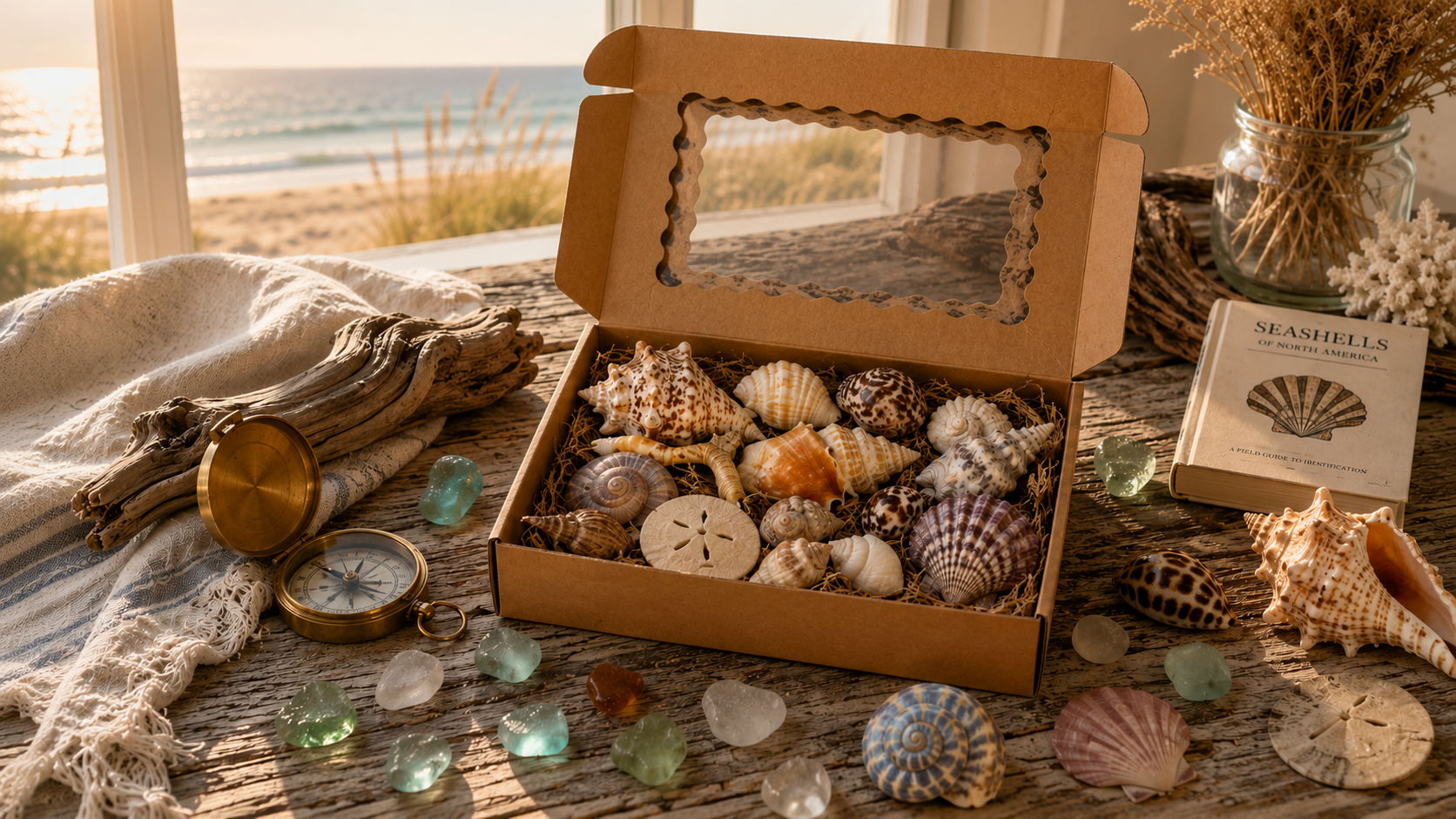
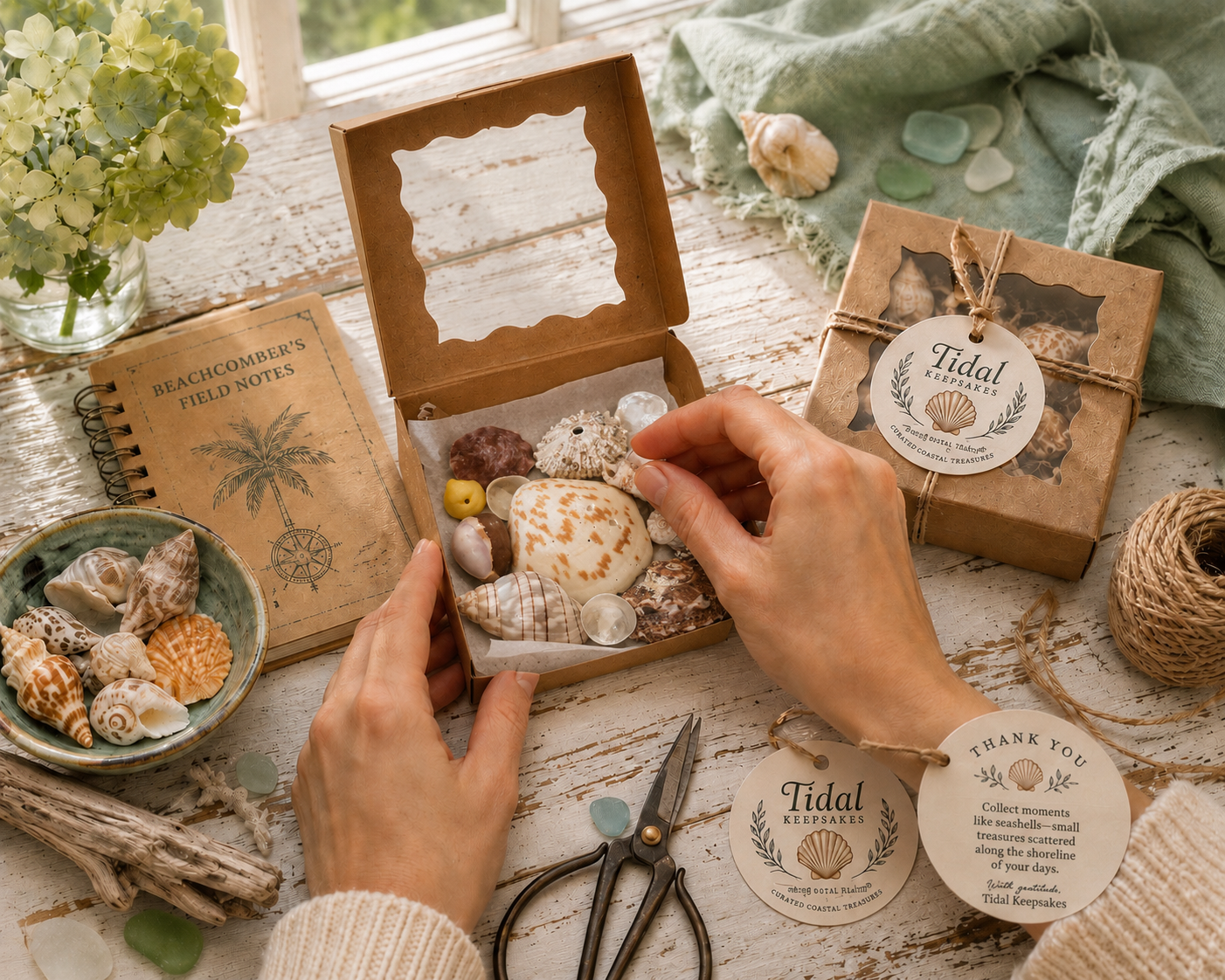
Tidal Keepsakes Curated Shell Boxes
Love the surprise of exploring coastal treasures? Explore the Tidal Keepsakes curated shell boxes created for beach lovers, collectors, coastal displays, and shell study.
In Closing
Rose Island gives you tropical shell families. Horseshoe Bay teaches you to study the smallest details. Siesta Key fills a specimen tray with tiny Gulf treasures. Eagle Beach shows you how to build a collection without taking shells home. St. George Island gives you the classic experience of walking a long tide line and wondering what the Gulf placed there overnight.
The best shell collection is not always the collection with the rarest shells. Look at the labels beneath your shells — the beaches, the dates, the tide, the weather, and the tiny notes about where you found them. That is where the collection becomes yours.
Then look down. Your next shell collection starts at the tide line. Every beach tells a different story. The question is not only what shells you will find — it is what the beach will teach you to look for. What will your next collection look like?
Frequently Asked
Questions readers ask about 5 Beaches, 5 Completely Different Shell Collections
Recommended Companion
The Shell Discovery Journal
Continue Your Beachcombing Journey
Hand-picked next steps — chosen because they build directly on what you've just read.
Compare Similar Shells
Species and look-alikes worth studying side by side. Every card routes into the shell reference.
Species
Scotch Bonnet
Semicassis granulata
Cream base with regular reddish-brown squares in tidy rows. Rounded body whorl and short spire; toothed inner lip.
Explore ShellSpecies
Knobbed Whelk
Busycon carica
Aperture opens on the right when the spire points up. Row of blunt knobs along the shoulder of the body whorl; interior often flushed with orange.
Explore ShellSpecies
Lettered Olive
Americoliva sayana
Cylindrical body with a very short spire and a long narrow aperture. The polished cream base carries tan or brown zigzag lines that give the species its 'lettered' name.
Explore ShellSpecies
Atlantic Auger
Terebra dislocata
Elongated screw-shaped shell up to 2 inches, pale grey to tan with faint spiral banding; each whorl carries fine axial ribs.
Explore ShellBeaches Worth Exploring Next
Shores connected to the shells, regions, and conditions on this page.
North Carolina Outer Banks
Outer Banks
A 200-mile chain of Atlantic barrier islands — Cape Hatteras, Ocracoke, and Cape Lookout deliver whelks, olive shells, and the state shell,…
Explore BeachGeorgia Coast
Jekyll Island
Historic Golden Isle with generous public beaches — Driftwood Beach and St. Andrews shore deliver moon snails, jingle shells, and…
Explore BeachFlorida Gulf Coast
Sanibel Island
Sanibel's east-west orientation sweeps Gulf shells onto its shore in exceptional variety — the reason it's the most celebrated shelling…
Explore BeachNorth Carolina Outer Banks
Ocracoke Island
A ferry-only Outer Banks island south of Hatteras — sixteen miles of protected National Seashore beach where Scotch bonnets and knobbed…
Explore BeachDiscover More Coastal Inspiration
Curated coastal favorites and specimen boxes that echo the story above.
A Learning Journey to Follow
Learning Shell Identification
For growing collectors · 5 steps
For readers who already know a scallop from a whelk and want to sharpen the edge cases. Ends at the journal, where identification becomes a practice, not a lookup.
- 1
Understand the Anatomy
Shell Identification Guide
Vocabulary first — apex, whorl, aperture, columella.
Continue - 2
Meet the Common Species
Explore Common Shells
Browse the canonical shell records the site is built on.
Continue - 3
Compare Look-Alikes
Commonly Confused Shells
Side-by-side markers for the pairs that trip up new collectors.
Continue - 4
Find Them in the Wild
Best Beaches for Shelling
Where each species actually washes up.
Continue - 5
Practice in the Field
Shell Discovery Journal
Record each ID with sketches and notes to lock the learning in.
Continue