 Save
SaveShell Identification
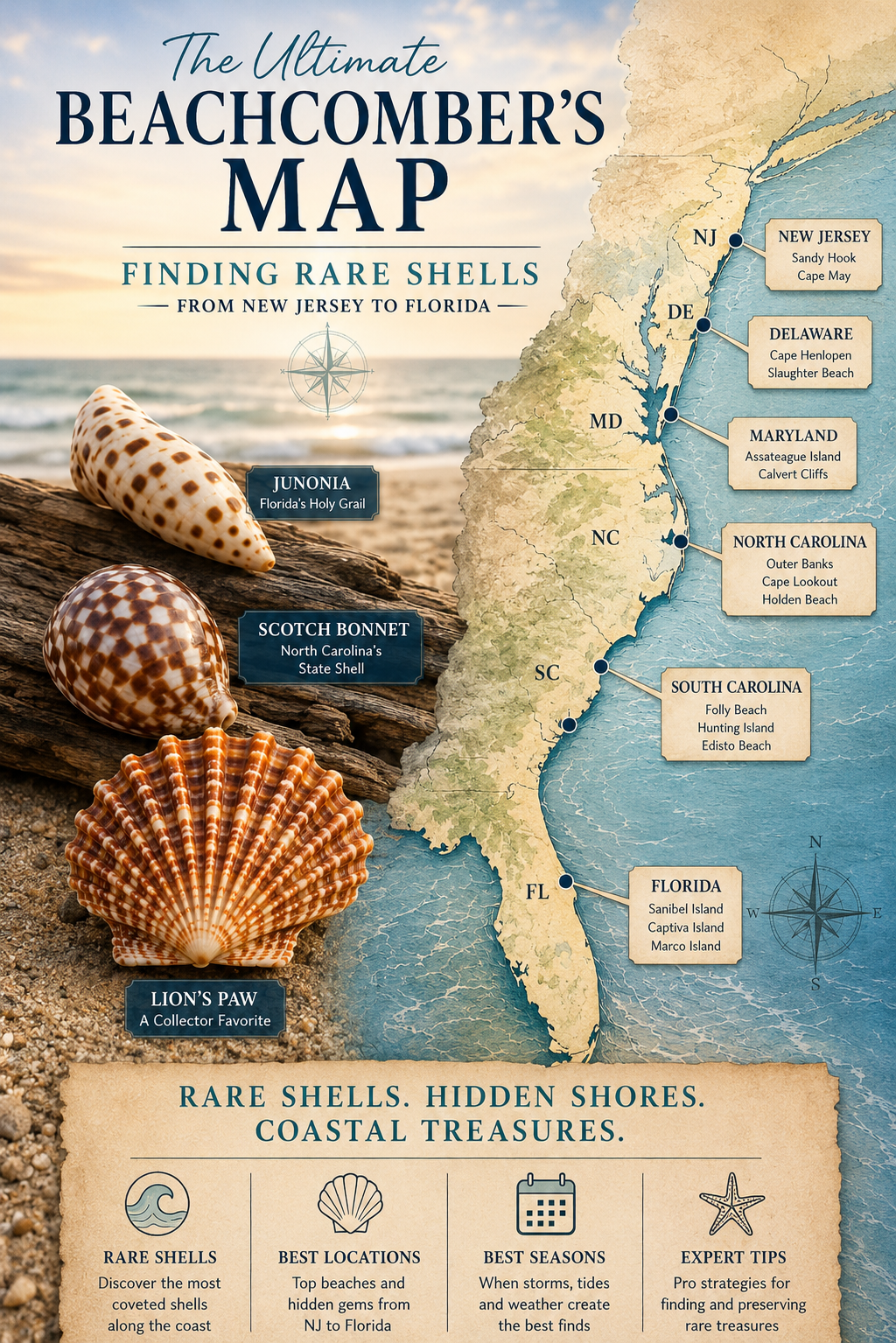
The Ultimate Beachcomber's Map: Finding Rare Shells from Jersey to Florida
While general coastal treasures like whelks and olives are exciting, collectors in these specific states hunt for several elusive species that only wash ashore under perfect conditions.
This is your beachcomber's map — from the deep-water holy grails of Florida to the fossil cliffs of Maryland — plus the seasonal windows and micro-timing that separate lucky finds from legendary ones.
The "Holy Grails" of the Southeast & Mid-Atlantic
 Save
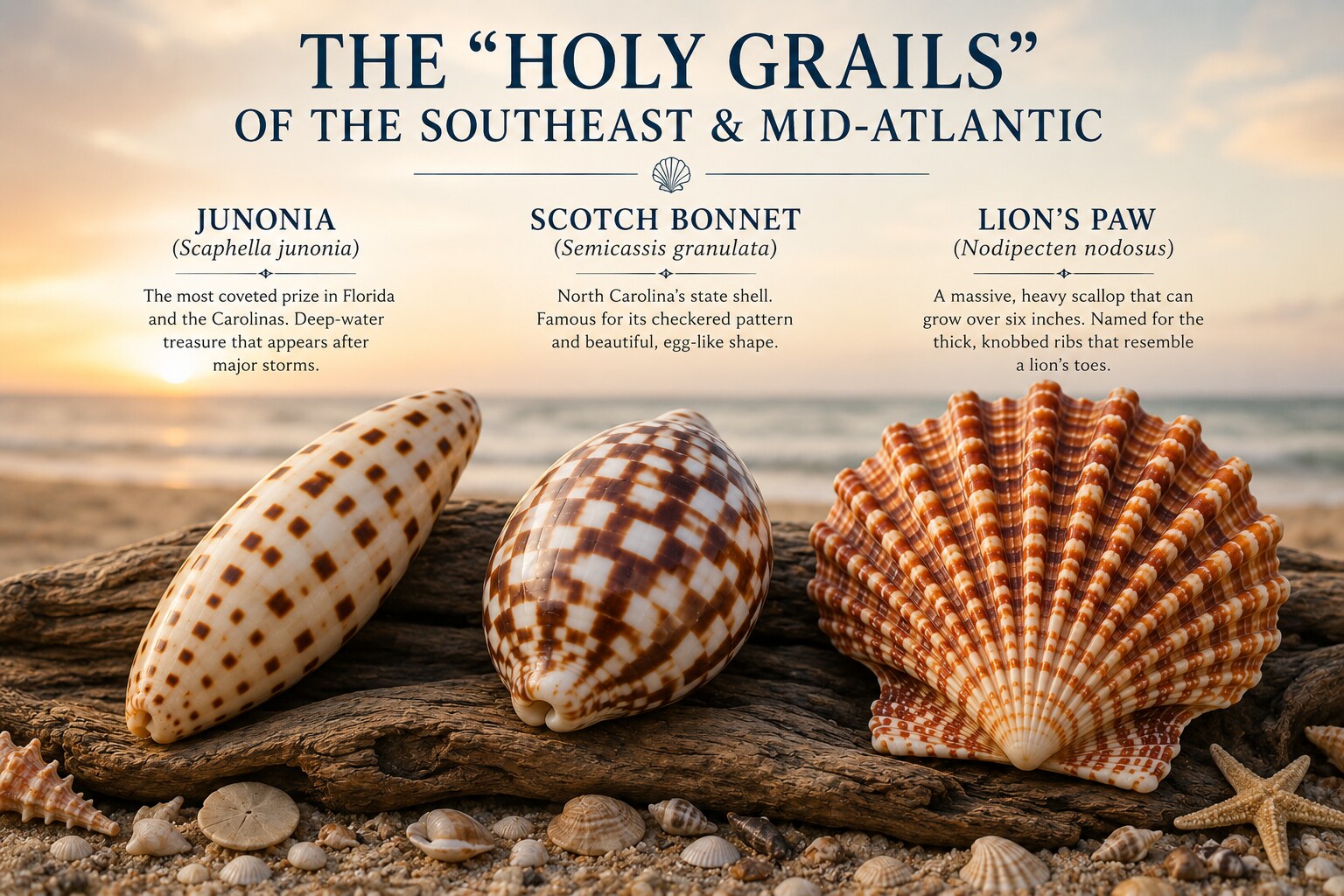
SaveA handful of species sit at the very top of every serious collector's wish list. They live in deep water or are so fragile they rarely survive the surf — which is exactly why finding one intact is such a triumph.
Junonia (Scaphella junonia)
The most coveted prize in Florida and the Carolinas. Because these snails live 100–400 feet deep, an intact shell on the beach usually only appears after major Gulf or Atlantic storms.
Look for a cream-colored, cigar-shaped shell with distinctive rows of dark brown spots, like a leopard rendered in shell.
Scotch Bonnet (Semicassis granulata)
While it is the state shell of North Carolina, it is a rare find throughout the Carolinas and Florida. Collectors prize its egg-like shape and brown-and-white square "checkered" pattern.
Its fragile nature makes finding one without cracks a significant win.
Lion's Paw (Nodipecten nodosus)
A massive, heavy scallop shell that can grow over six inches. It is named for the thick, knobbed ribs that resemble a lion's toes.
While found in Florida, rare specimens occasionally wash up on the remote beaches of North Carolina's Cape Lookout.
Regional Rarities & Unusual Finds
 Save
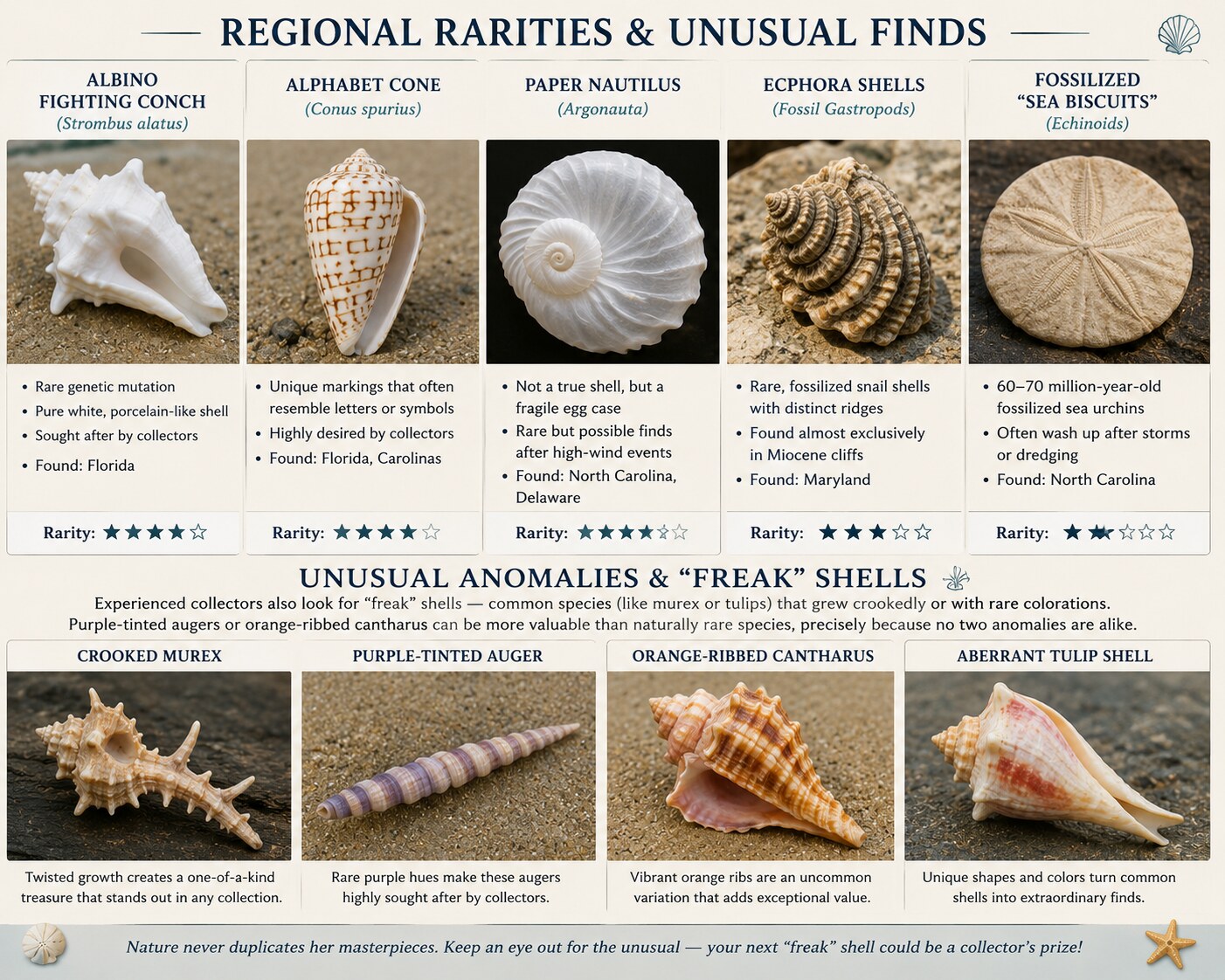
SaveBeyond the headliners, each region hides its own oddities — genetic flukes, ancient fossils, and fragile egg cases that reward collectors who know exactly what to look for.
Albino Fighting Conch
A rare genetic mutation of the common Florida fighting conch that results in a pure white, porcelain-like shell.
Finding one is a "white whale" for many Florida collectors.
Alphabet Cone (Conus spurius)
Highly desired in Florida and the Carolinas for the unique brown markings that often look like letters or symbols scattered across its creamy, conical surface.
A large alphabet cone with crisp, high-contrast markings is a standout in any serious collection.
Paper Nautilus (Argonauta)
Not a true shell but a fragile egg case, these are rare but possible finds along the North Carolina and Delaware coasts after high-wind events.
Paper-thin and easily crushed, an intact paper nautilus is one of the most delicate treasures the sea offers.
Ecphora Shells
A rare, fossilized snail shell with distinct ridges found almost exclusively in the Miocene-era cliffs of Maryland.
Their bold, raised ribs make them instantly recognizable — and a prized link to a 10-million-year-old sea.
Fossilized "Sea Biscuits"
These 60–70 million-year-old fossilized sea urchins frequently wash up on North Carolina beaches like Holden Beach after dredging.
Their domed shape and faint five-pointed star pattern make them a favorite among fossil hunters of all ages.
Unusual Anomalies: "Freak" Shells
 Save
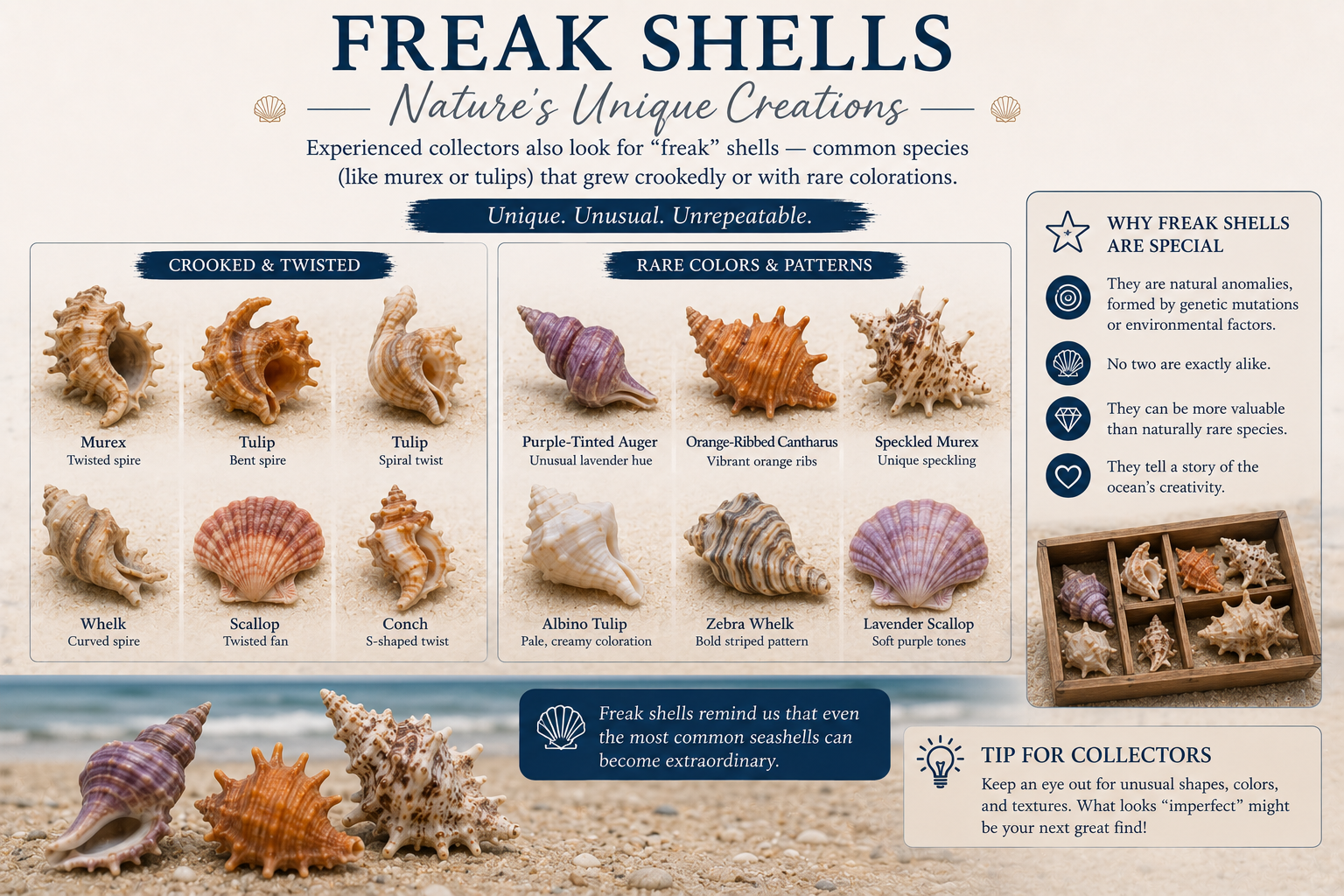
SaveExperienced collectors also look for "freak" shells — common species (like murex or tulips) that grew crookedly or with rare colorations.
Purple-tinted augers or orange-ribbed cantharus can be more valuable than naturally rare species, precisely because no two anomalies are alike.
Winter: The Glory Days for Collectors
For the specific rare shells of the Mid-Atlantic and Southeast, the winter months (December through March) are the undisputed "glory days" for collectors.
During this window, powerful seasonal cold fronts and storms stir the deep ocean floor, while minimal tourist crowds mean rare specimens go unpicked.
Florida & Gulf Coast (Dec – May)
 Save
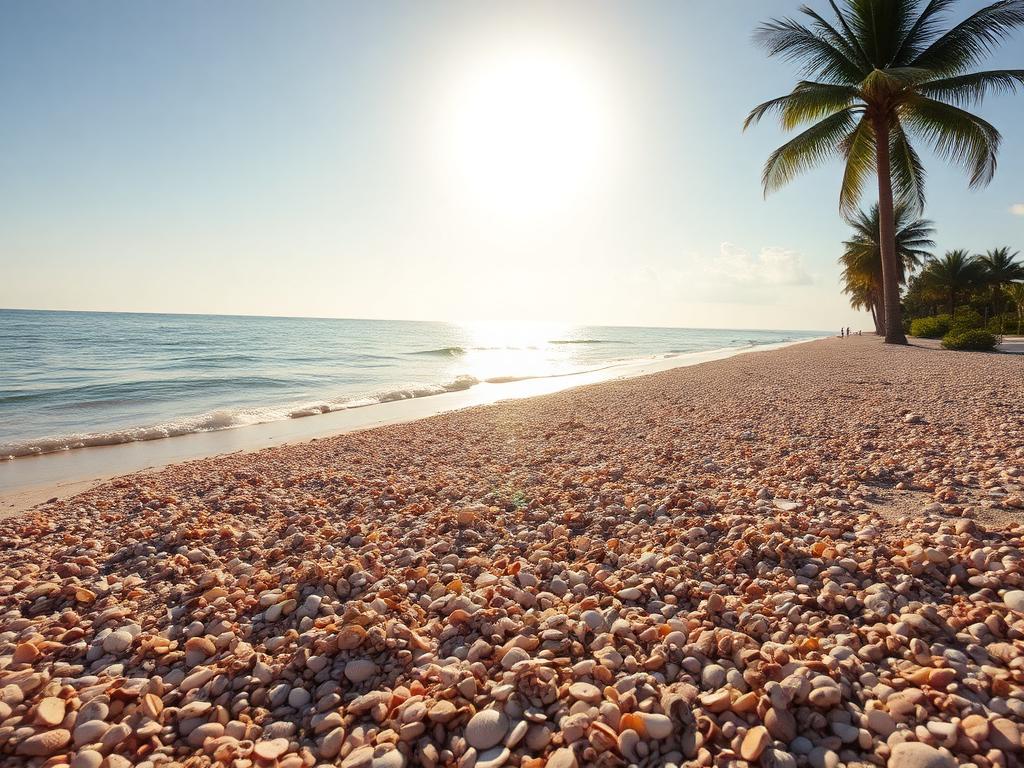
SaveThe primary season for finding the legendary junonia is winter. Strong northwest winds following cold fronts push deep-water shells onto southern-facing beaches like Sanibel and Marco Island.
Peak time: January and February are often best, particularly when "negative tides" (extraordinarily low) expose sandbars that are usually underwater.
North & South Carolina (Oct – April)
 Save
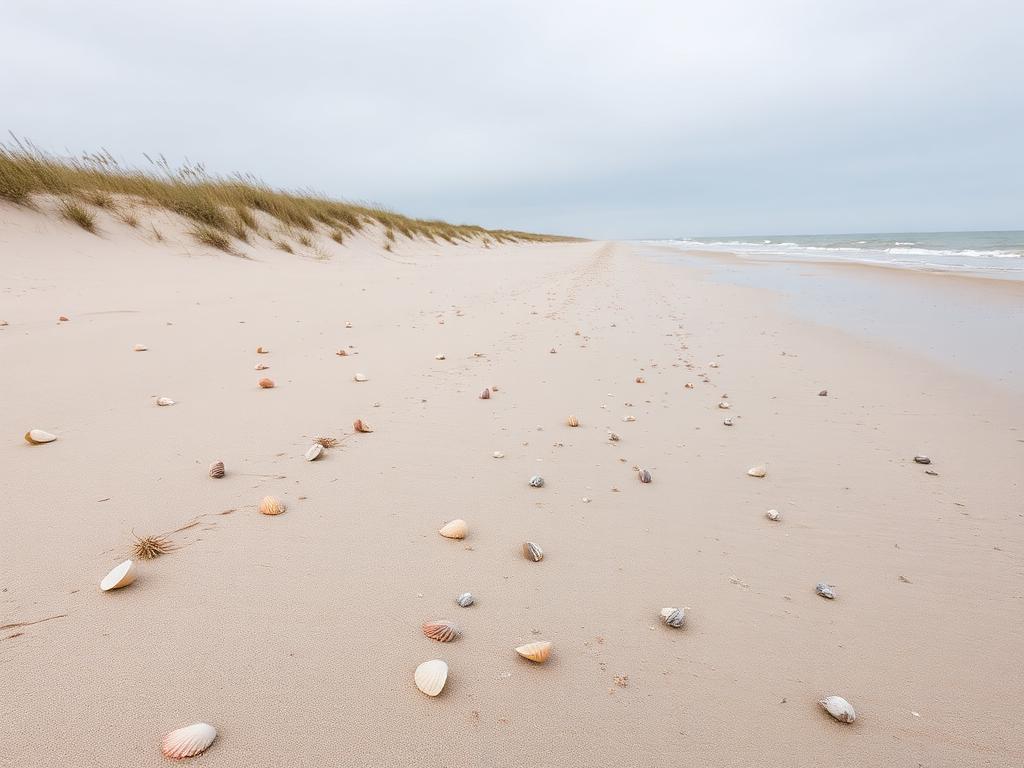
SaveFor the scotch bonnet and large whelks, the "off-season" from October to April is most fruitful.
Northeasters in late fall and winter are the primary drivers of massive shell mounds along the Outer Banks and Cape Lookout.
Maryland, Delaware & New Jersey (Jan – March)
 Save
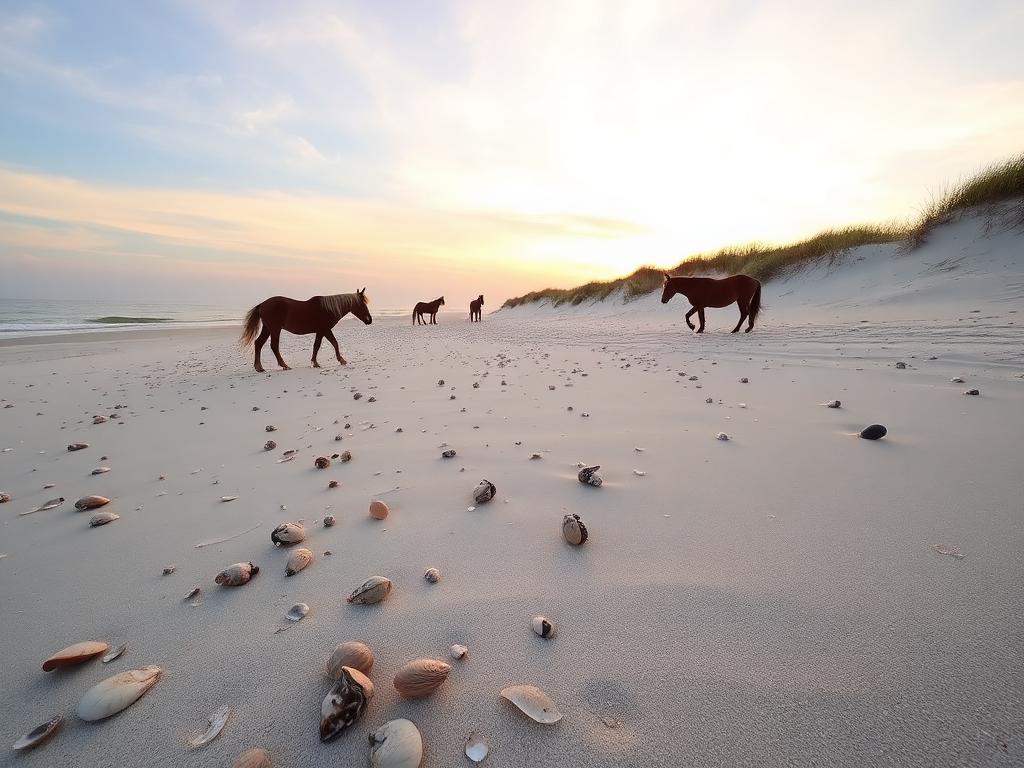
SaveWhile you can find shark teeth year-round at Calvert Cliffs, the best time for Atlantic shells like knobbed whelks is winter.
Increased wind speeds and beach erosion during these months uncover shells that have been buried for years.
The Best "Micro-Times" for Rarities
Regardless of the month, the most successful collectors target three specific events. Post-storm windows: the 24–48 hours after a major storm or "blow" has passed and the waves have calmed is when the rarest deep-sea treasures finally wash ashore.
Spring tides: occurring during new and full moons each month, these cause the most dramatic low tides and expose areas of the sea floor that stay hidden 28 days of the month. The pre-dawn search: for rare shells, arriving with a flashlight 30–60 minutes before sunrise at the peak of low tide is essential to beating other professional collectors.
Summer Beachcombing: A Different Kind of Treasure
 Save
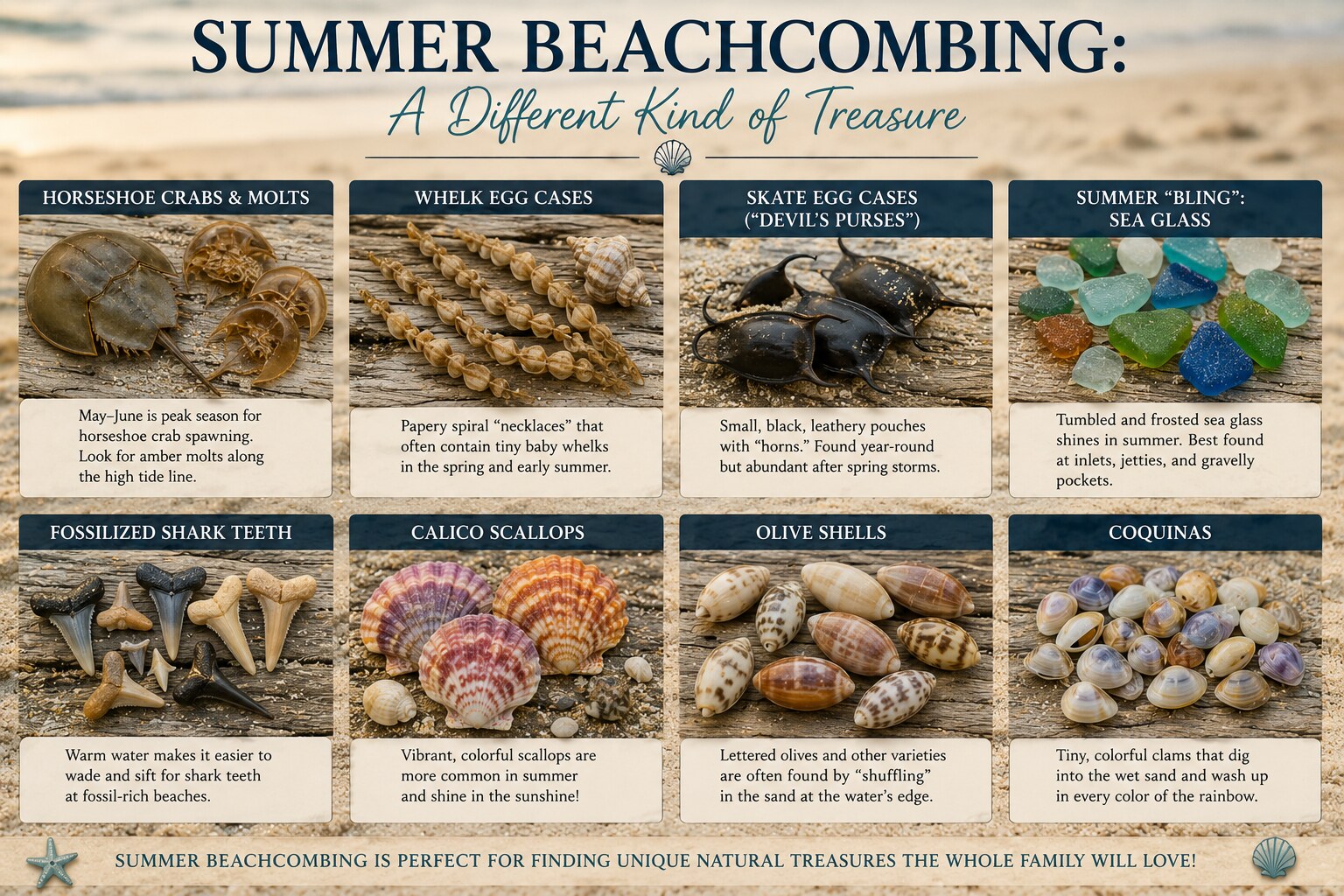
SaveWhile summer beachcombing can be challenging due to crowds and daily beach raking, it is a prime time for finding sea glass, fossilized shark teeth, and unique biological treasures like egg cases and horseshoe crabs that wash up during the warmer spawning months.
The spring and early summer are peak times for local marine life to reproduce (NJ, DE, MD), leaving behind distinct "treasures" that aren't available in the winter.
Horseshoe Crabs & Molts
In May and June, Delaware Bay and surrounding beaches (like Slaughter Beach, DE) are teeming with horseshoe crabs spawning.
You can often find their perfectly intact, translucent amber "molts" (empty shells) along the high tide line.
Whelk Egg Cases
These long, papery, spiral-shaped "necklaces" of egg capsules are common summer finds.
In the spring, they often contain tiny, fully formed "mini-whelks" the size of a grain of rice.
Skate Egg Cases ("Devil's Purses")
Small, black, leathery pouches with "horns" at each corner.
While found year-round, they are especially abundant in the wrack line after spring storms.
Summer "Bling": Sea Glass
Because beaches are often busier and "picked over" for large shells, many summer beachcombers switch to "micro-shelling" and fossil hunting.
Summer is excellent for sea glass because gentler waves tumble the glass against the sand and gravel rather than burying it under heavy shell mounds. Cape Henlopen (DE) and Sandy Hook (NJ) are premier summer spots for frosted sea glass.
Fossilized Shark Teeth
At Calvert Cliffs (MD) and Folly Beach (SC), the warm water makes it easier to wade into the shallow surf to sift for fossilized teeth without needing heavy gear.
Look for glossy black or gray triangles standing out against the lighter sand and gravel.
Calico Scallops
Warmer water brings more active mollusks closer to shore. Calico scallops are prized in the Carolinas for their vivid pink, orange, and purple patterns, which appear much brighter in the summer sun.
Olive Shells
Both the lettered olive (South Carolina's state shell) and smaller varieties are frequently found in the summer by "shuffling" through the sand at the water's edge.
Their smooth, lacquered surfaces make them easy to spot glinting in shallow water.
Coquinas
These tiny, butterfly-shaped bivalves come in every color of the rainbow and are often seen alive and digging into the sand at the wash line during the summer.
Pro Summer Shelling Strategies
Beat the rakers: many tourist beaches (like Cape May or Ocean City) use tractors to rake the sand early in the morning. To find anything whole, you must be on the beach at sunrise before the machines start.
Target inlets & jetties: summer crowds stick to the center of the beach. Finds like shark eyes and baby's ears (both moon snails) are more likely to be found near rock jetties or the natural "pockets" at beach inlets.
In Closing
From the deep-water junonias of the Gulf to the fossil cliffs of Maryland and the sea glass of Delaware Bay, the East Coast rewards collectors who know what to look for and exactly when to look.
Map your trips to the seasons, time your walks to the tides, and treat every find with care. The most valuable collection is always the one that brings you joy.
Recommended Companion
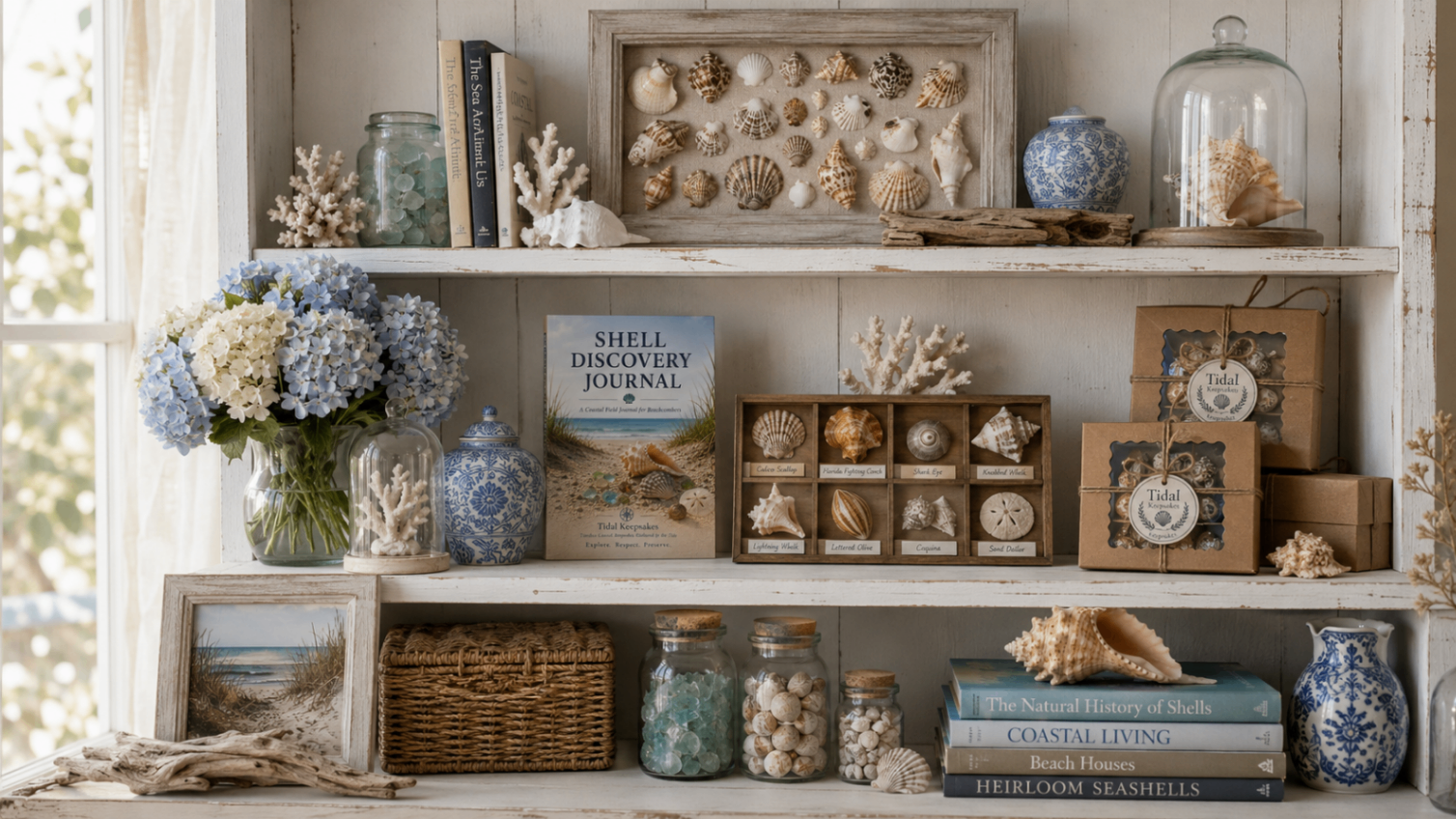
The Shell Discovery Journal
Continue Your Beachcombing Journey
Hand-picked next steps — chosen because they build directly on what you've just read.
Article
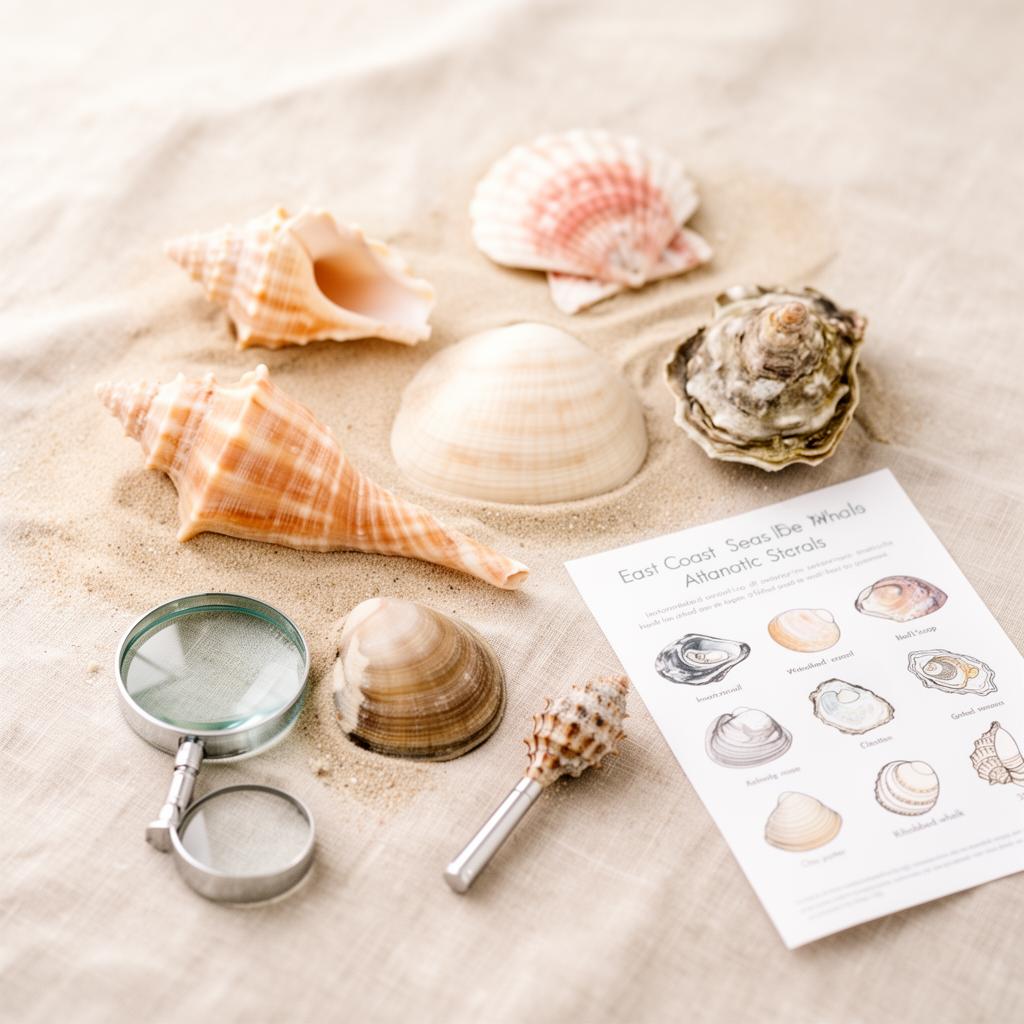
How to Identify Common East Coast Seashells and Where to Find Them
Hand-picked next step from the editors.
Guide
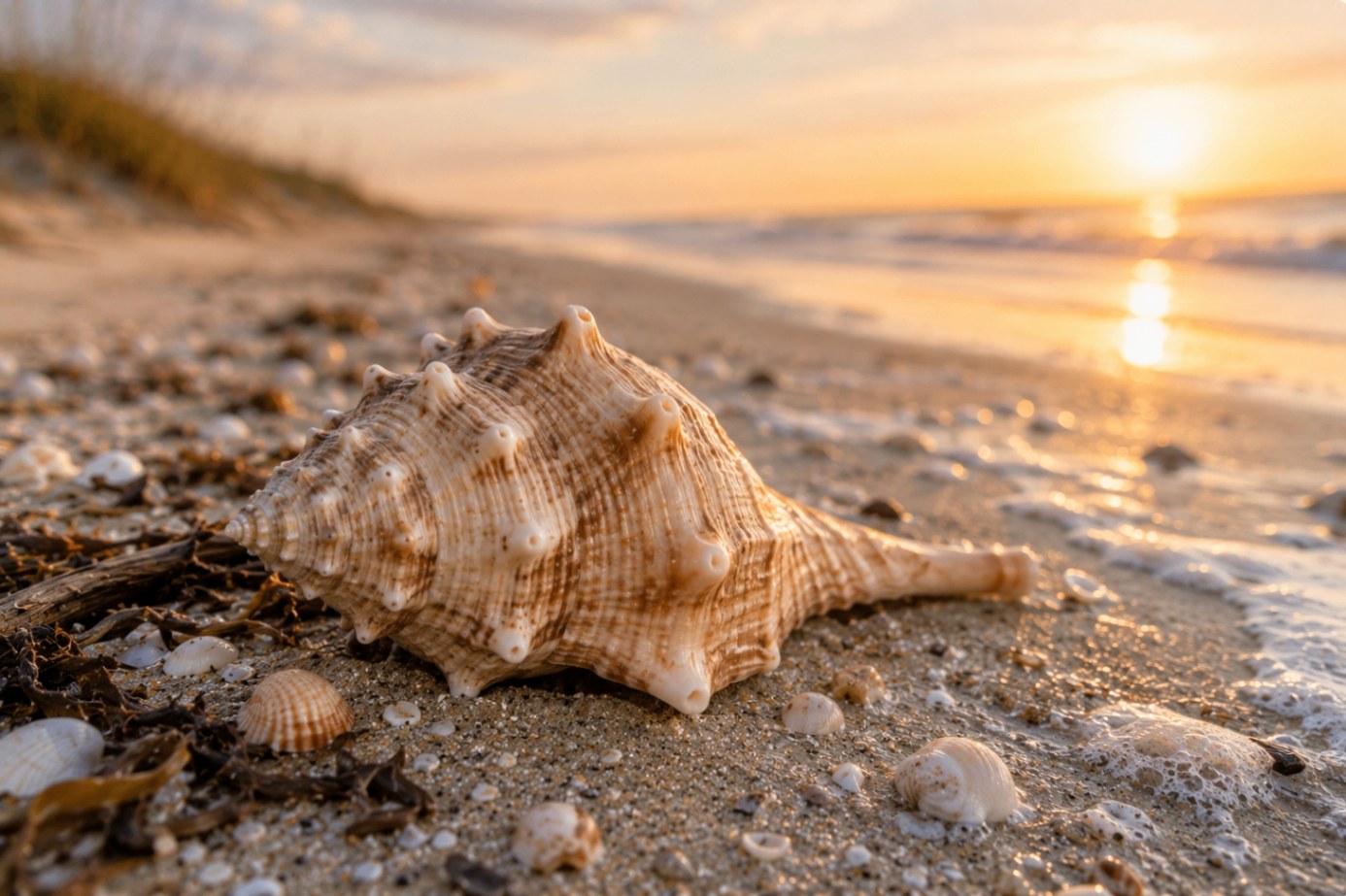
Commonly Confused Shells: A Side-by-Side Field Guide
Builds on the same core topic.
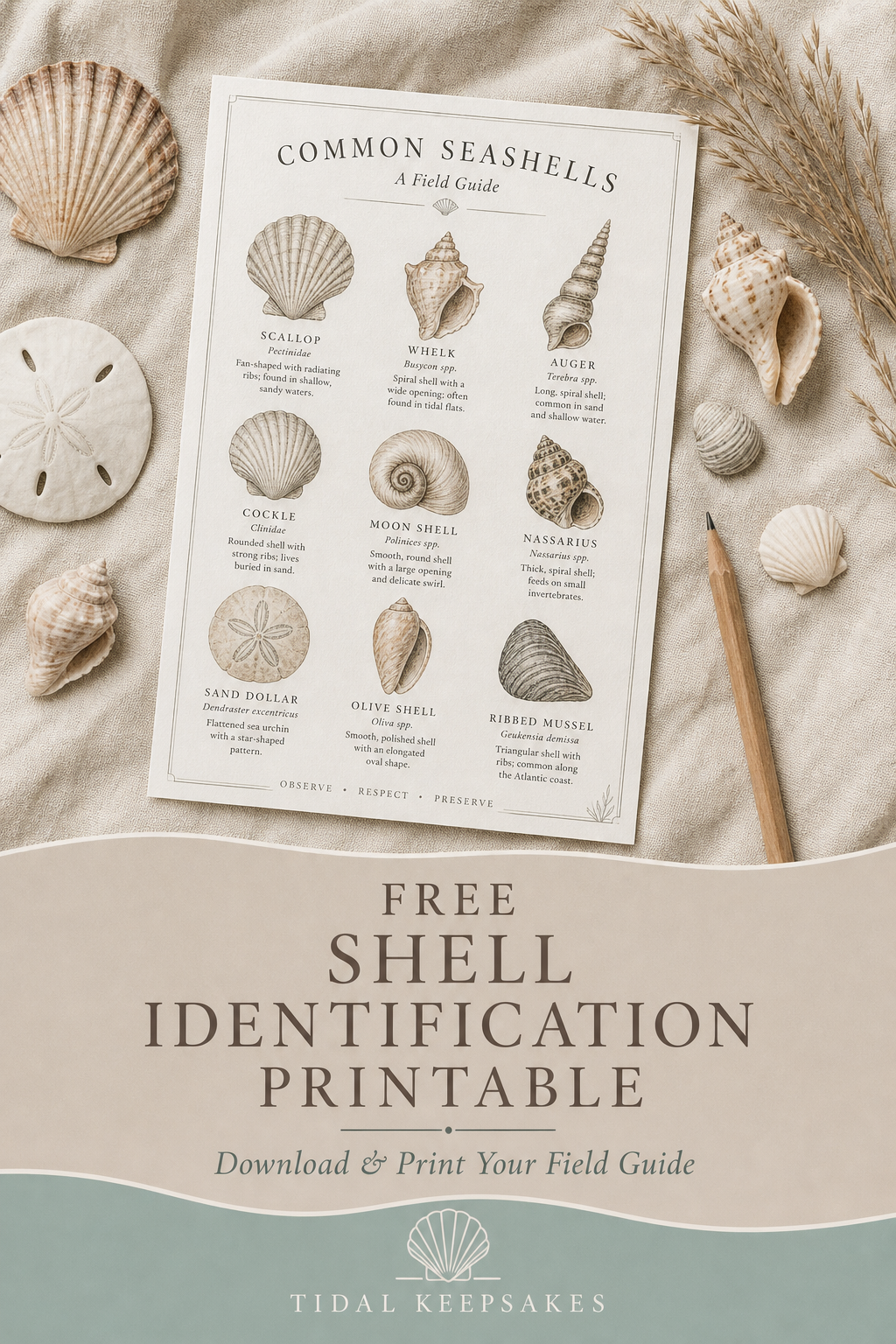
Resource
Free Shell Identification Printable
Builds on the same core topic.
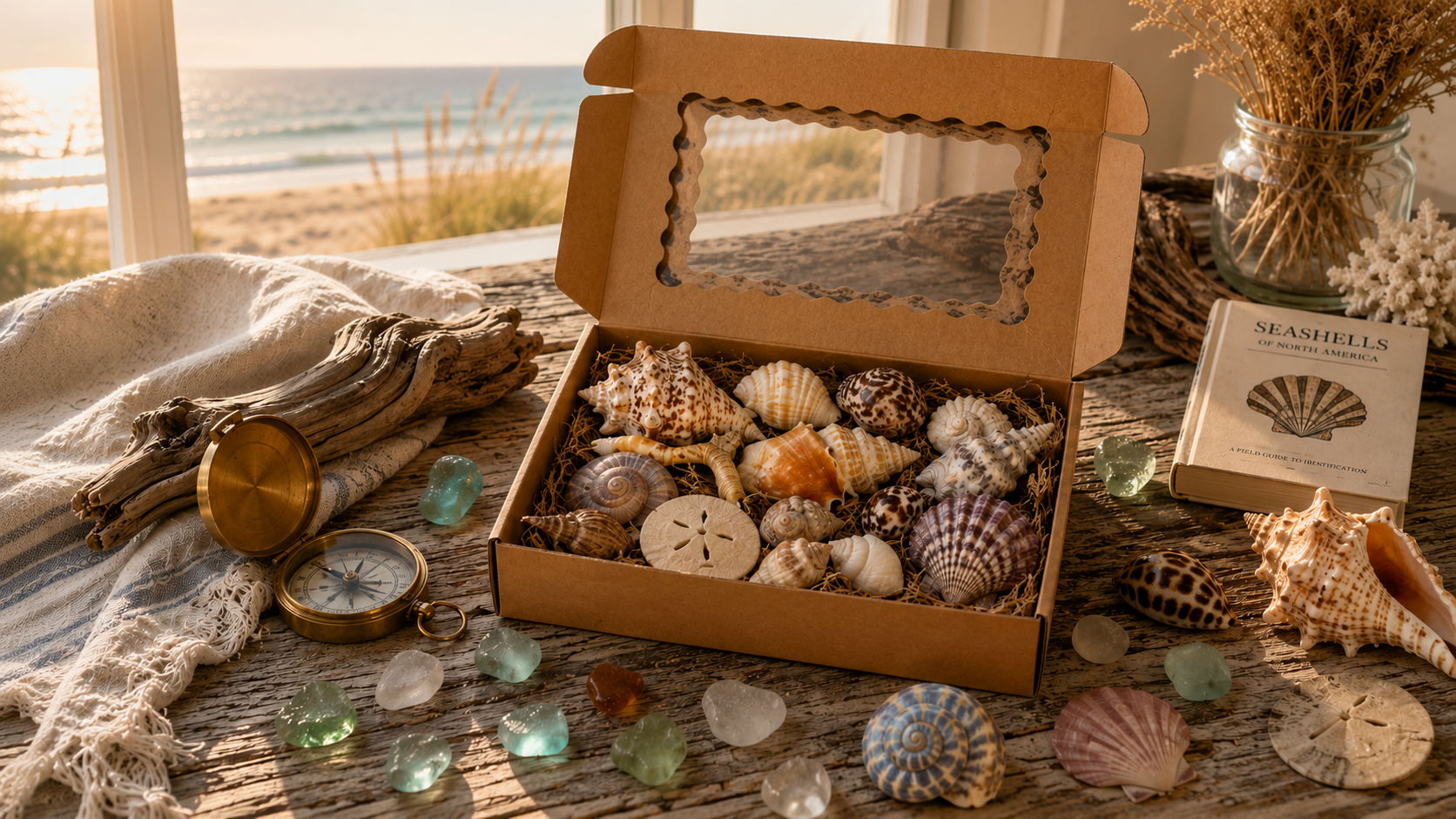
Curated Shell Box
The Collector Box
See these ideas in a curated collection.
Compare Similar Shells
Species and look-alikes worth studying side by side. Every card routes into the shell reference.
Species
Scotch Bonnet
Semicassis granulata
Cream base with regular reddish-brown squares in tidy rows. Rounded body whorl and short spire; toothed inner lip.
Explore ShellSpecies
Knobbed Whelk
Busycon carica
Aperture opens on the right when the spire points up. Row of blunt knobs along the shoulder of the body whorl; interior often flushed with orange.
Explore ShellSpecies
Lettered Olive
Americoliva sayana
Cylindrical body with a very short spire and a long narrow aperture. The polished cream base carries tan or brown zigzag lines that give the species its 'lettered' name.
Explore ShellSpecies
Atlantic Auger
Terebra dislocata
Elongated screw-shaped shell up to 2 inches, pale grey to tan with faint spiral banding; each whorl carries fine axial ribs.
Explore ShellBeaches Worth Exploring Next
Shores connected to the shells, regions, and conditions on this page.
North Carolina Outer Banks
Outer Banks
A 200-mile chain of Atlantic barrier islands — Cape Hatteras, Ocracoke, and Cape Lookout deliver whelks, olive shells, and the state shell,…
Explore BeachGeorgia Coast
Jekyll Island
Historic Golden Isle with generous public beaches — Driftwood Beach and St. Andrews shore deliver moon snails, jingle shells, and…
Explore BeachFlorida Gulf Coast
Sanibel Island
Sanibel's east-west orientation sweeps Gulf shells onto its shore in exceptional variety — the reason it's the most celebrated shelling…
Explore BeachNorth Carolina Outer Banks
Ocracoke Island
A ferry-only Outer Banks island south of Hatteras — sixteen miles of protected National Seashore beach where Scotch bonnets and knobbed…
Explore BeachDiscover More Coastal Inspiration
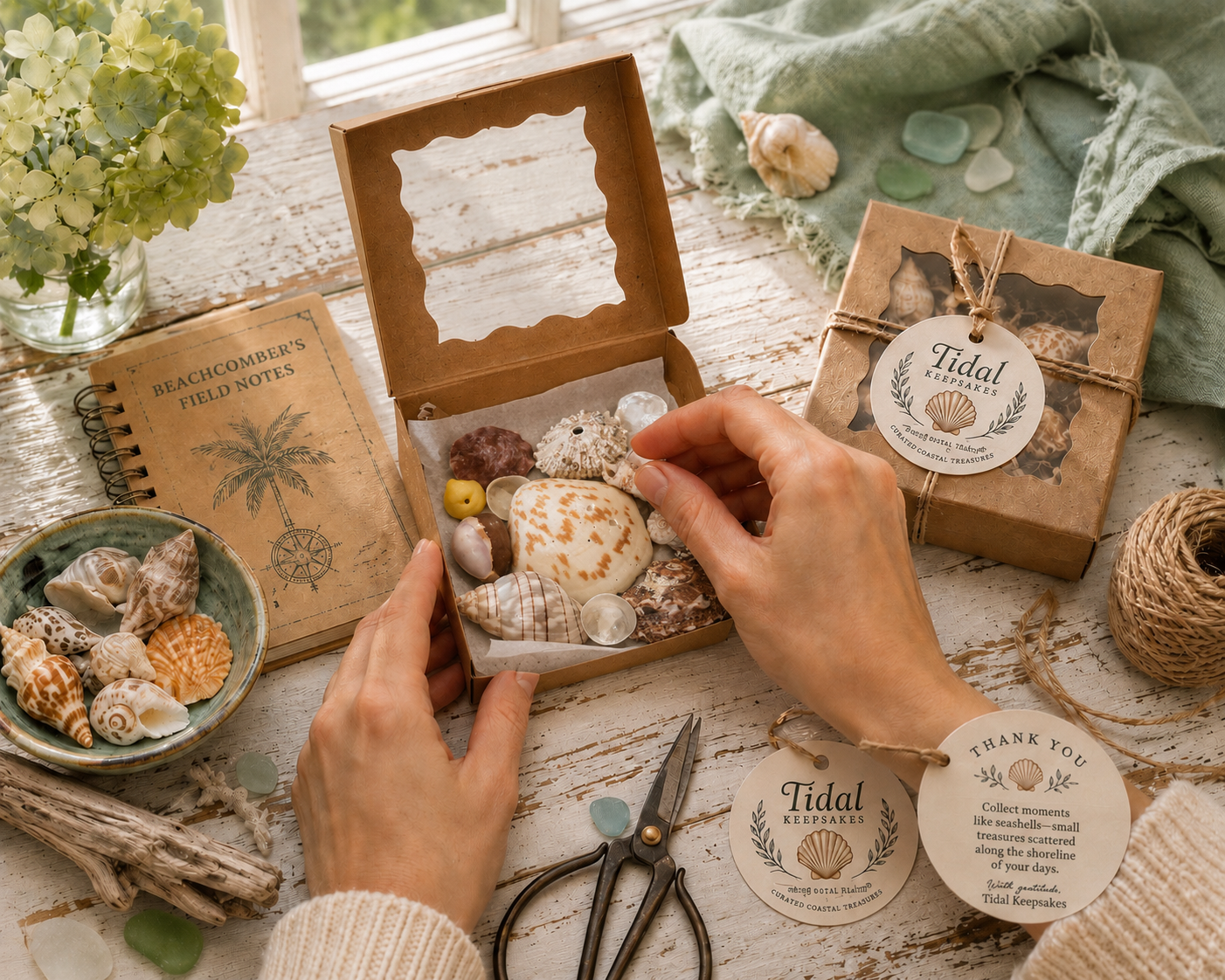
Curated coastal favorites and specimen boxes that echo the story above.
A Learning Journey to Follow
Learning Shell Identification
For growing collectors · 5 steps
For readers who already know a scallop from a whelk and want to sharpen the edge cases. Ends at the journal, where identification becomes a practice, not a lookup.
- 1
Understand the Anatomy
Shell Identification Guide
Vocabulary first — apex, whorl, aperture, columella.
Continue - 2
Meet the Common Species
Explore Common Shells
Browse the canonical shell records the site is built on.
Continue - 3
Compare Look-Alikes
Commonly Confused Shells
Side-by-side markers for the pairs that trip up new collectors.
Continue - 4
Find Them in the Wild
Best Beaches for Shelling
Where each species actually washes up.
Continue - 5
Practice in the Field
Shell Discovery Journal
Record each ID with sketches and notes to lock the learning in.
Continue