Introduction
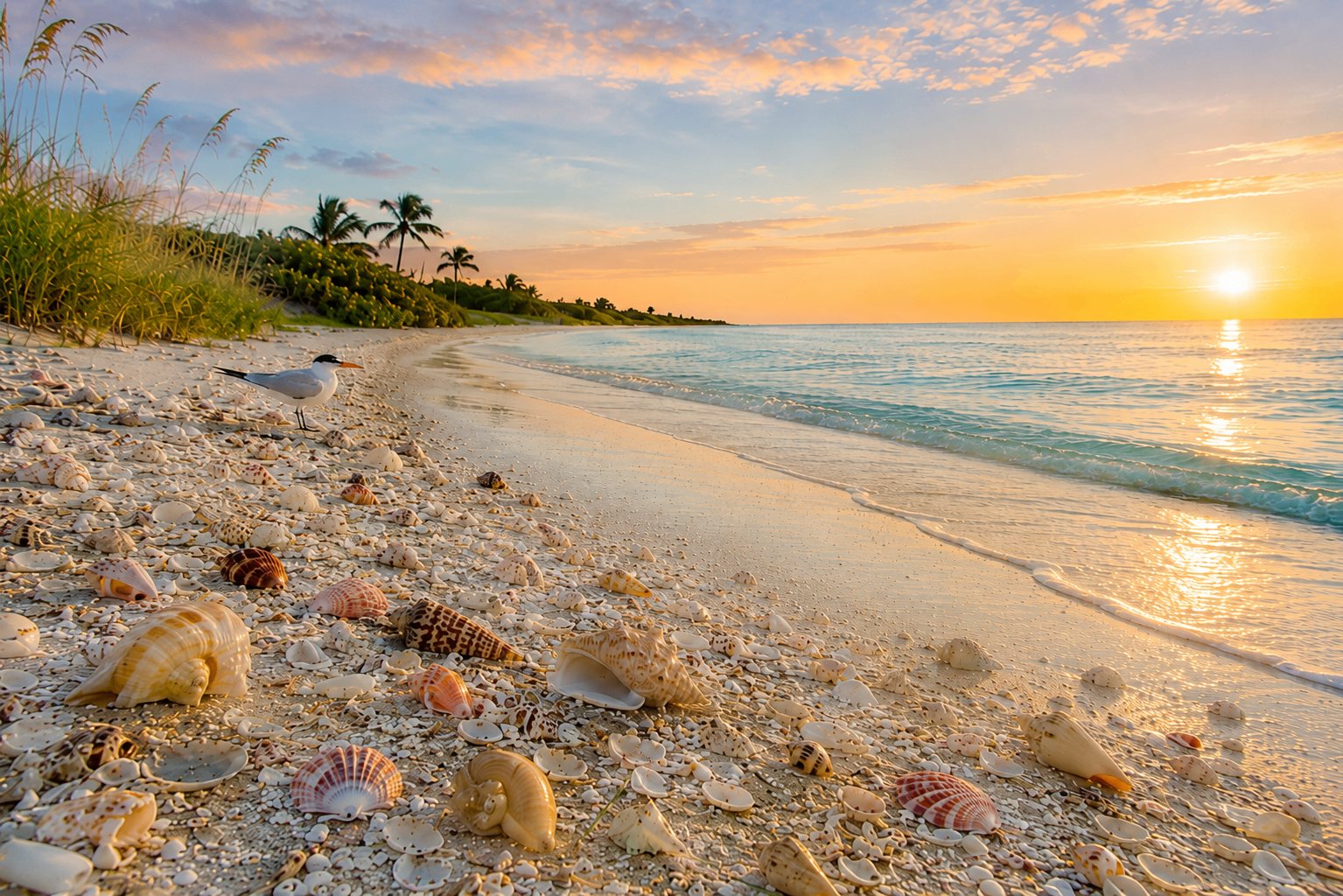
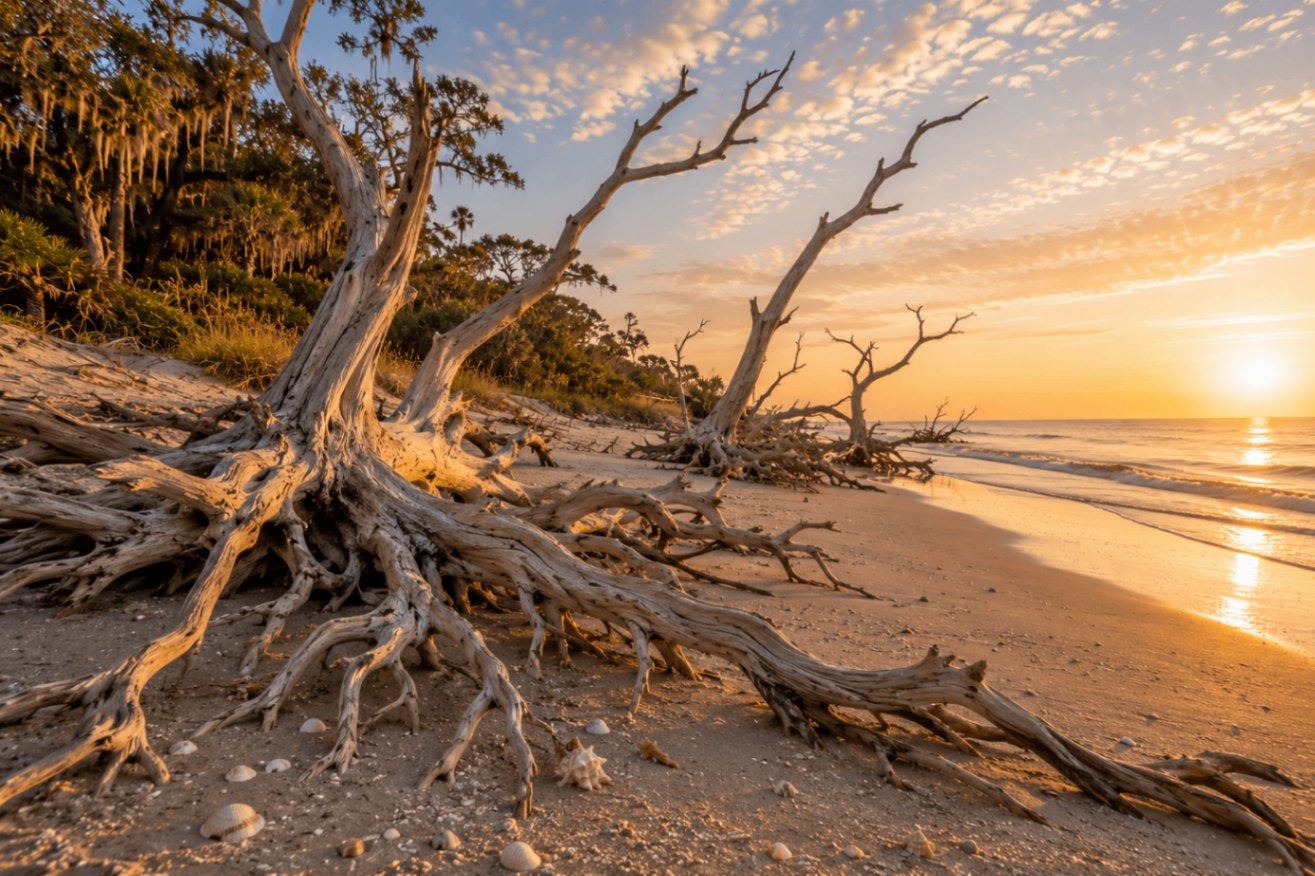
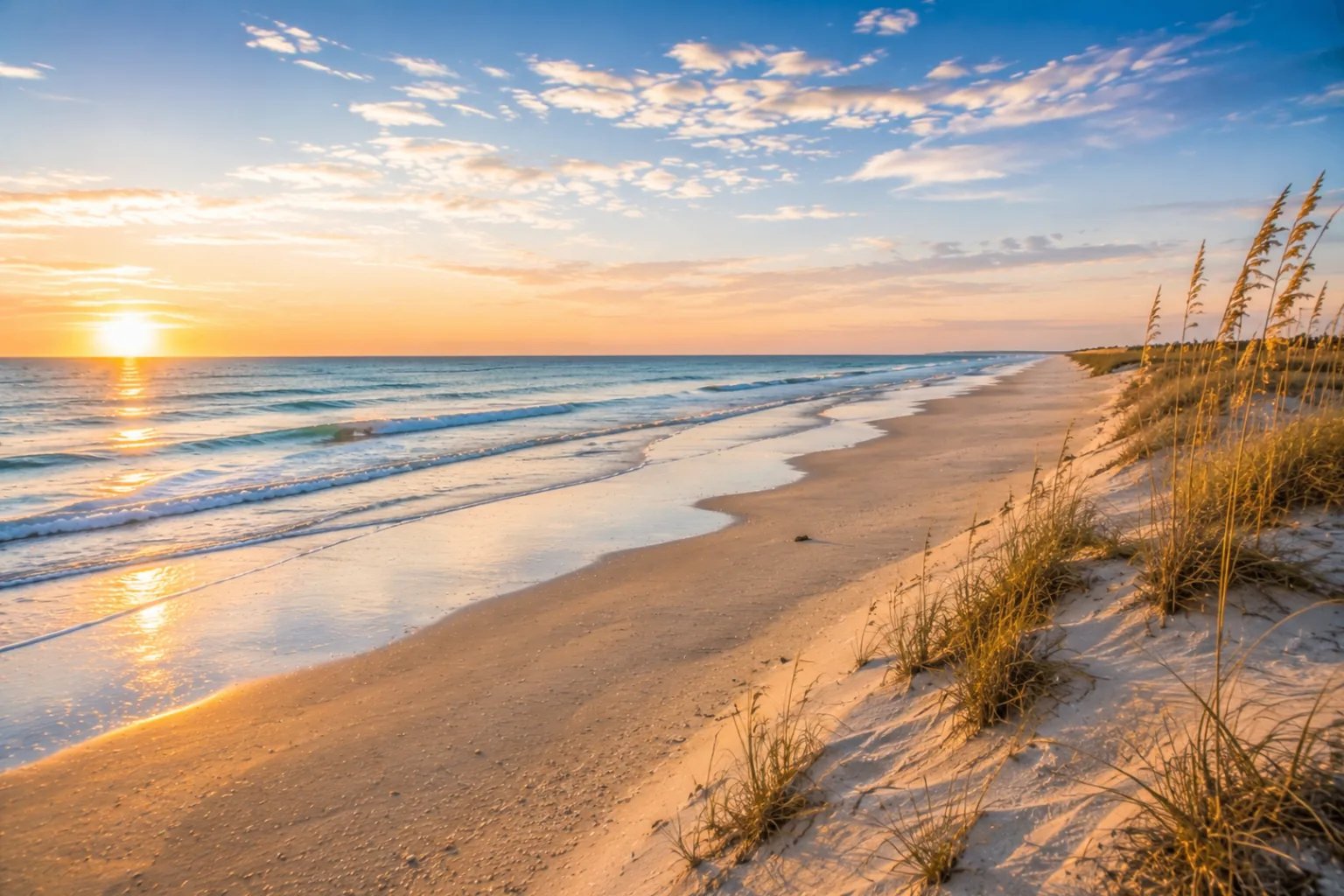
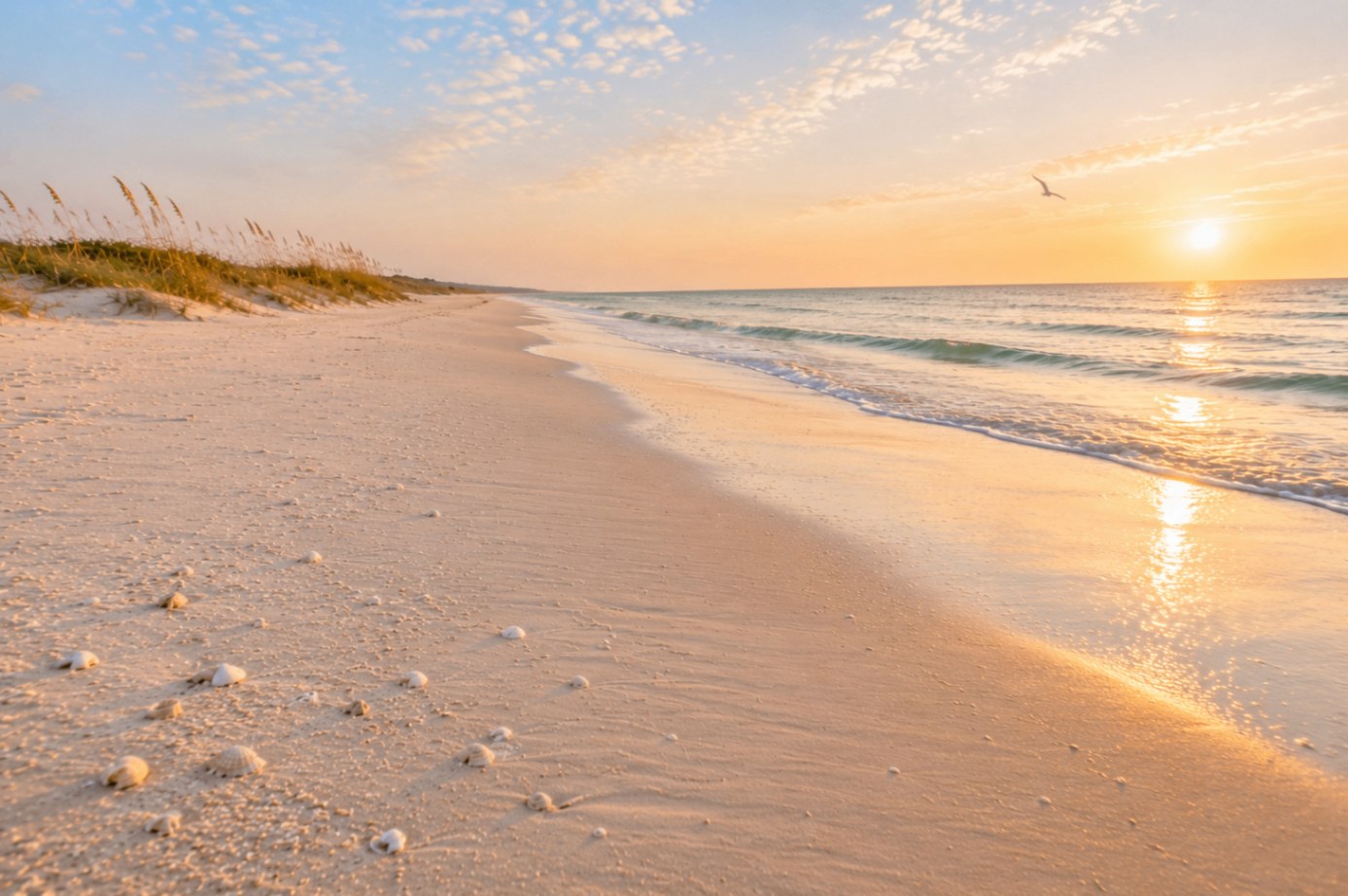
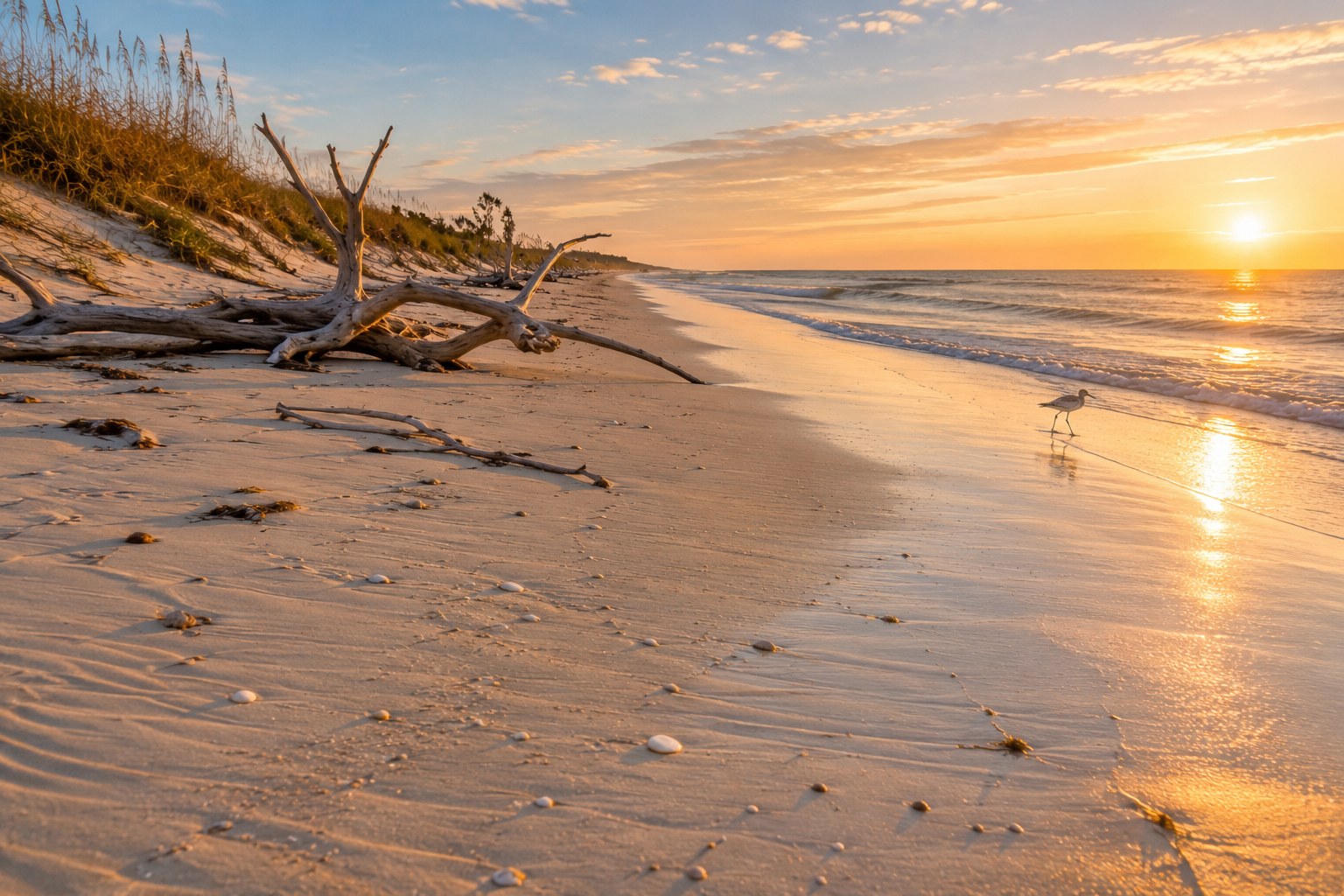
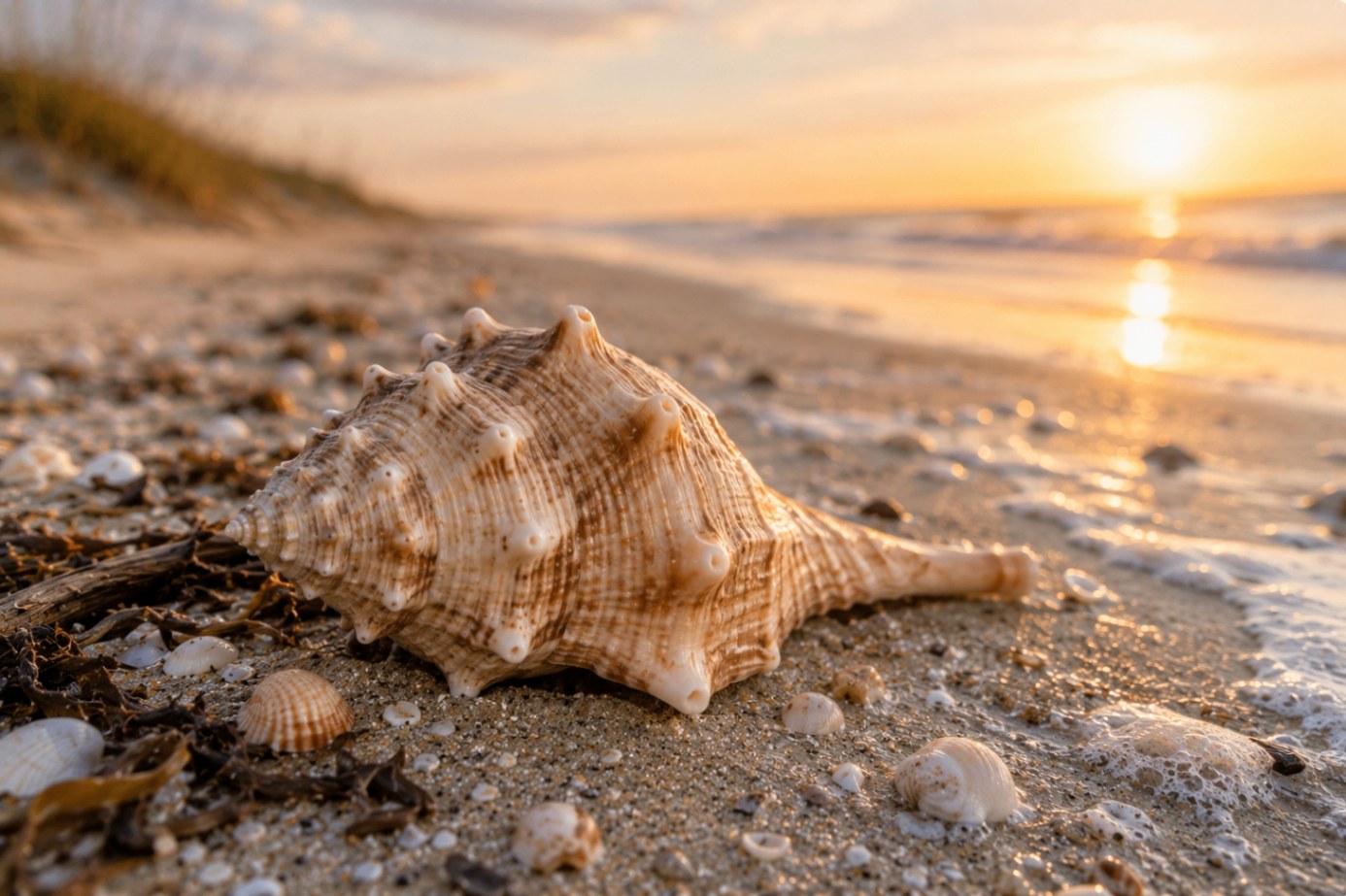
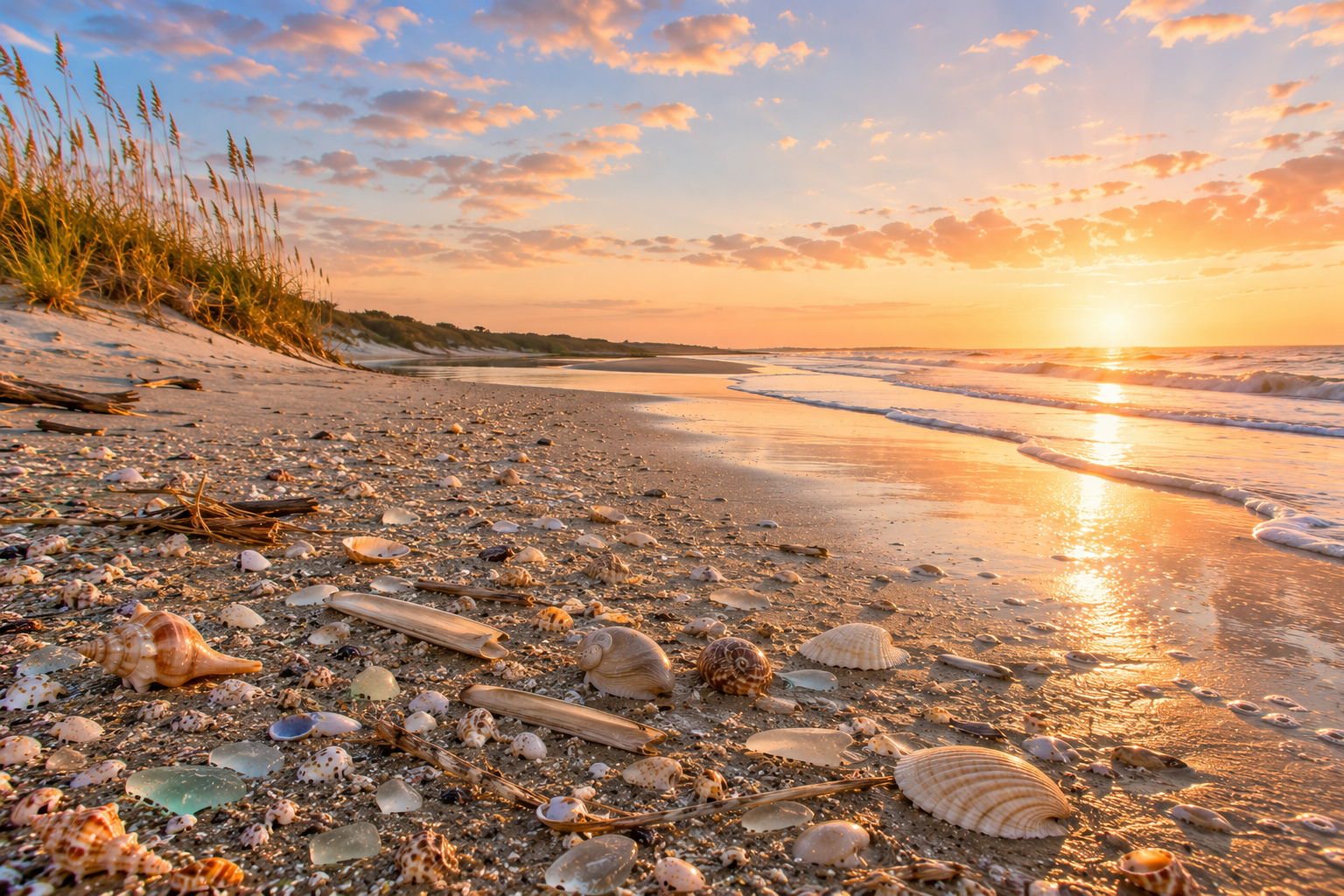
There is something quietly magical about arriving at an Atlantic beach just after sunrise. The first light of day stretches across the water as waves gently roll onto the shore, leaving behind a fresh collection of shells waiting to be discovered. Sandpipers dart along the tide line, gulls drift overhead, and each retreating wave reveals tiny treasures that weren't visible only moments before. Whether you find a perfectly patterned Lettered Olive, the sturdy spiral of a Knobbed Whelk, or a delicate coquina glowing in the morning light, every discovery feels like a small gift from the sea.
Shell collecting is about far more than filling a bucket with beautiful shells. It is an invitation to slow your pace, observe the rhythms of the natural world, and appreciate the remarkable diversity of life along the shoreline. Every shell tells a story about the marine creature that once lived within it, the habitat it called home, and the journey it traveled before arriving at your feet. A simple walk along the beach becomes an opportunity to learn about coastal ecosystems, tides, weather, and the remarkable forces that continually shape our shorelines.
The Atlantic Coast offers one of North America's richest and most varied beachcombing experiences. Stretching from the warm beaches of Florida through Georgia, South Carolina, and North Carolina, this vast coastline encompasses thousands of miles of barrier islands, sandy beaches, salt marshes, tidal creeks, estuaries, and protected national seashores. Each region has developed its own character, influenced by geography, ocean currents, marine habitats, and seasonal weather patterns.
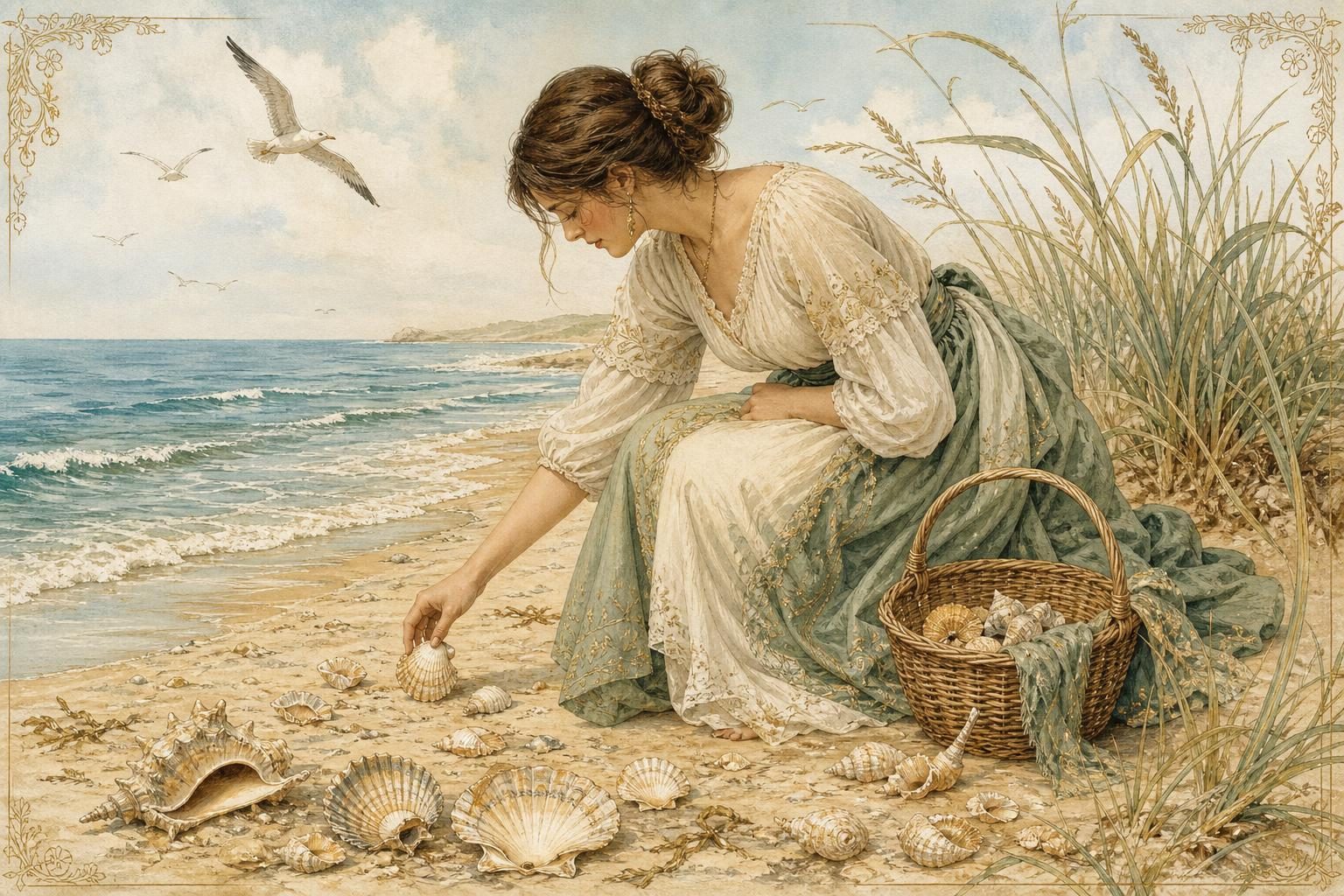
Every shell tells a story about the creature that once lived within it, the habitat it called home, and the journey it traveled before arriving at your feet.
One of the greatest joys of Atlantic Coast shelling is discovering that every beach has its own personality. A quiet barrier island may reward patient collectors with elegant olive shells and moon snails, while an exposed ocean beach may reveal sturdy whelks, surf clams, and colorful cockles after a passing storm. Calm estuaries support oysters and juvenile shellfish, while shifting sandbars continually uncover new treasures that weren't there the day before.
Whether you're planning your very first shelling vacation, introducing children to the excitement of beachcombing, or exploring new destinations as an experienced collector, the Atlantic Coast offers endless opportunities to learn, observe, and create lasting memories.
Understanding Atlantic Coast Shelling
The Atlantic coastline is a living, ever-changing environment. Unlike landscapes that appear relatively constant from season to season, Atlantic beaches are continually being reshaped by wind, waves, tides, storms, and ocean currents. Understanding these processes transforms Atlantic shell collecting from simple treasure hunting into a deeper appreciation of coastal nature.
Ocean Currents
The Atlantic Ocean is constantly in motion. Large-scale currents, including the warm Gulf Stream flowing northward offshore, interact with local coastal currents, waves, and winds to transport shells along the coastline. Over time, shells may travel remarkable distances before finally washing ashore. These currents also sort shells by size, weight, and shape — delicate species often settle in calmer waters, while heavier shells remain in the surf zone until waves deposit them farther up the beach.
The Importance of Tides
Among all the natural forces affecting shell collecting, tides may be the most important. As water rises and falls throughout the day, it exposes new sections of beach while covering others. Experienced beachcombers often schedule outings around the tide chart rather than the clock, because low tide reveals areas that remain underwater for much of the day. The area just behind the retreating tide often contains the freshest shell deposits.
Seasonal Storms
Storms play an important role in shaping Atlantic beaches. Tropical storms, hurricanes, nor'easters, and strong winter systems move enormous amounts of sand while exposing shell beds that may have remained hidden for months or even years. After major weather events, collectors sometimes discover unusually large concentrations of shells or species that are rarely encountered under normal conditions.
Barrier Islands
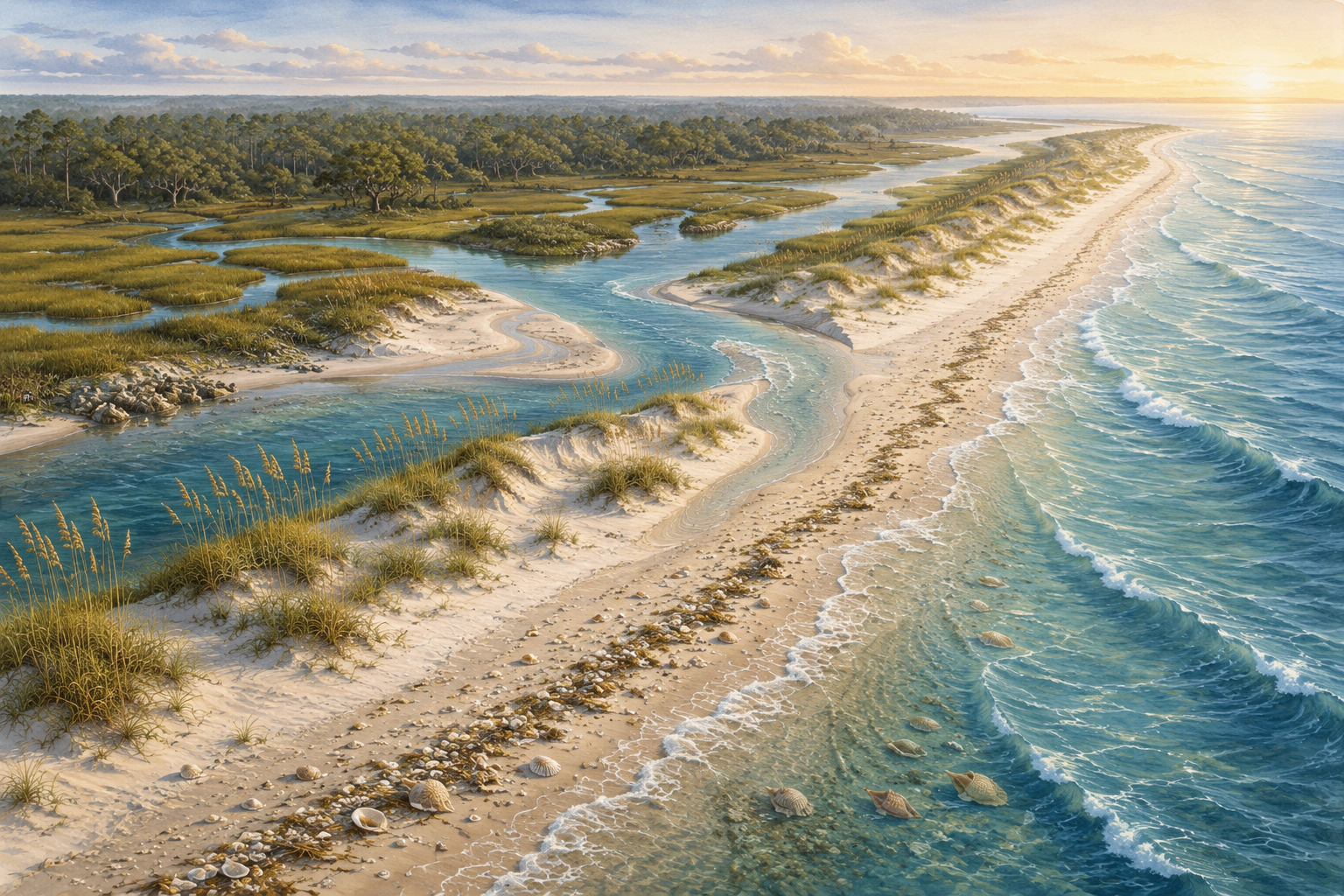
Much of the Atlantic shoreline is protected by barrier islands — long, narrow stretches of sand that absorb wave energy before it reaches the mainland. These islands create some of the East Coast's most productive shelling destinations. Well-known destinations including Amelia Island, Cape Lookout National Seashore, and the Outer Banks owe much of their shell diversity to these dynamic systems.
Estuaries and Salt Marshes
Not every memorable shelling experience takes place on an open ocean beach. Where rivers meet the sea, protected estuaries and salt marshes create calm, nutrient-rich environments that support oysters, clams, mussels, juvenile marine life, and countless small invertebrates. These quieter habitats often produce collections quite different from those found along exposed oceanfront beaches.
Atlantic Coast vs. Gulf Coast Shelling
Both coastlines are outstanding destinations for shell collectors, but they offer different experiences. Atlantic beaches generally experience stronger wave energy, larger tidal ranges, and constantly shifting shorelines shaped by energetic surf. Many Gulf beaches, by contrast, are known for calmer waters and extensive shell deposits that can accumulate in remarkable concentrations. Neither coastline is objectively better — each offers its own character and diversity.
Regional Shell Diversity
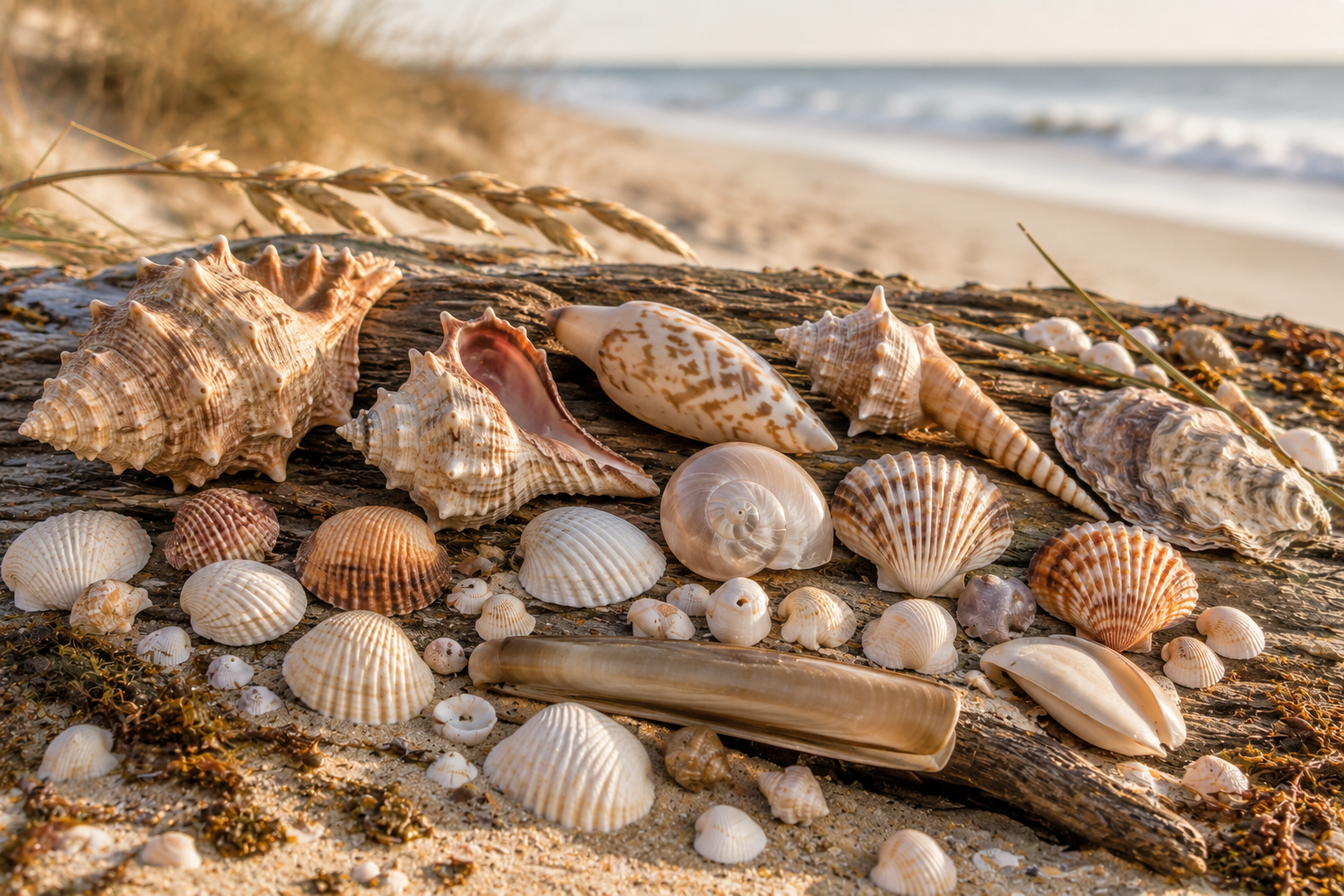
One of the greatest rewards of Atlantic Coast shelling is discovering just how diverse the shoreline truly is. From the warm, subtropical waters of Florida to the cooler coastlines farther north, the Atlantic Ocean supports hundreds of shell species that have adapted to different temperatures, habitats, tides, and wave conditions. Every beach reflects its own combination of geography and marine life, making each shelling adventure unique.
As you travel along the Atlantic Coast, you'll notice that shell diversity changes gradually rather than abruptly. Southern beaches feature species that thrive in warmer waters, while northern coastlines introduce shells adapted to cooler conditions. Even within a single state, barrier islands, tidal creeks, salt marshes, and exposed ocean beaches can produce remarkably different collections.
Gastropods: Spirals Shaped by the Sea
Many of the most recognizable Atlantic Coast shells belong to a group known as gastropods — spiral-shaped shells that were once home to marine snails and are often among the most treasured finds for beachcombers.
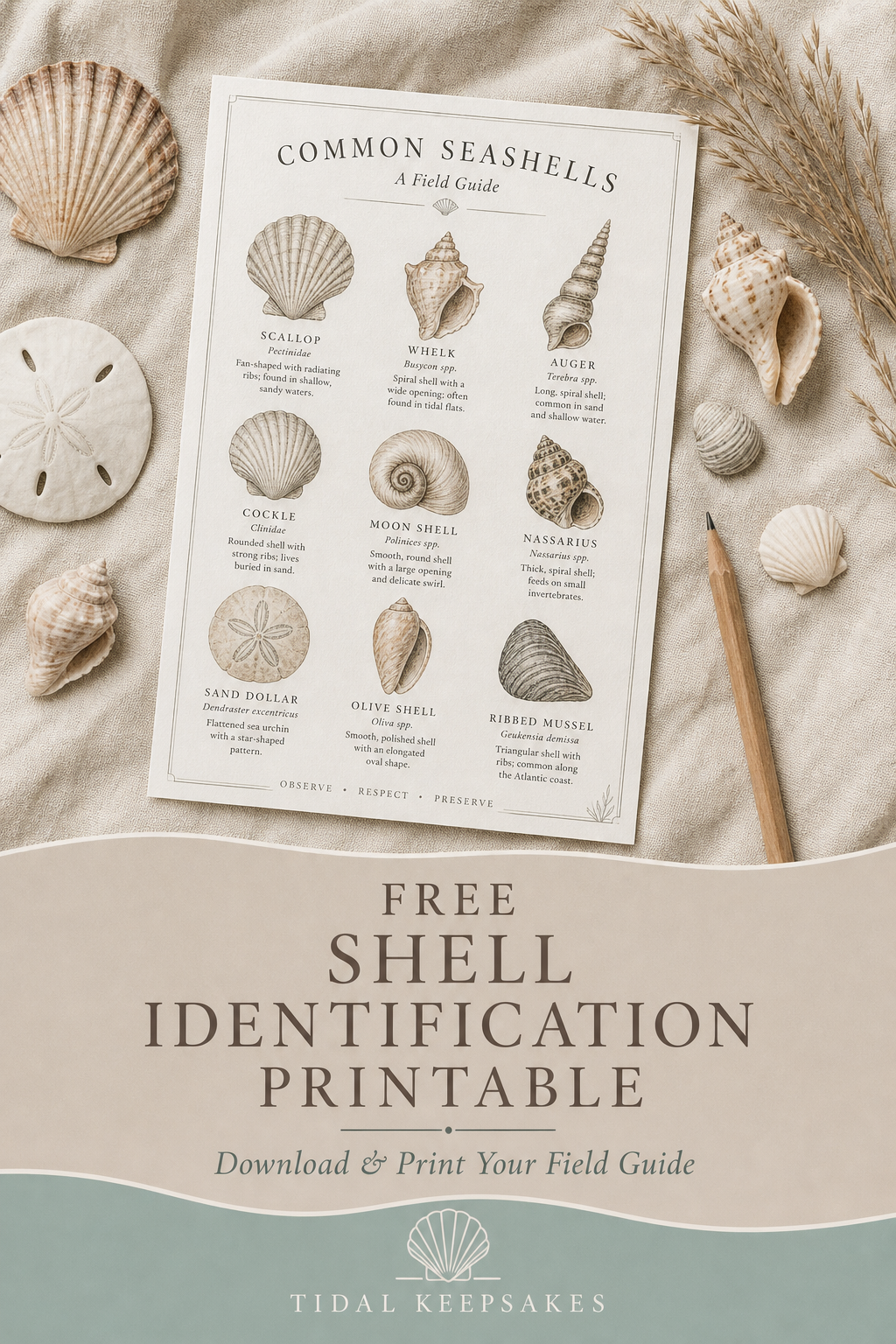
The Lettered Olive offers an entirely different beauty — its smooth, glossy surface decorated with intricate brown markings that resemble delicate handwriting. The Moon Snail is easy to recognize by its nearly spherical shape and smooth surface, and plays an important ecological role as a predator of clams. The slender Atlantic Auger adds another distinctive shape, its long narrow spiral resembling a tiny drill bit often discovered mixed among other small shells along the tide line.
Bivalves: The Atlantic Coast's Abundant Treasures
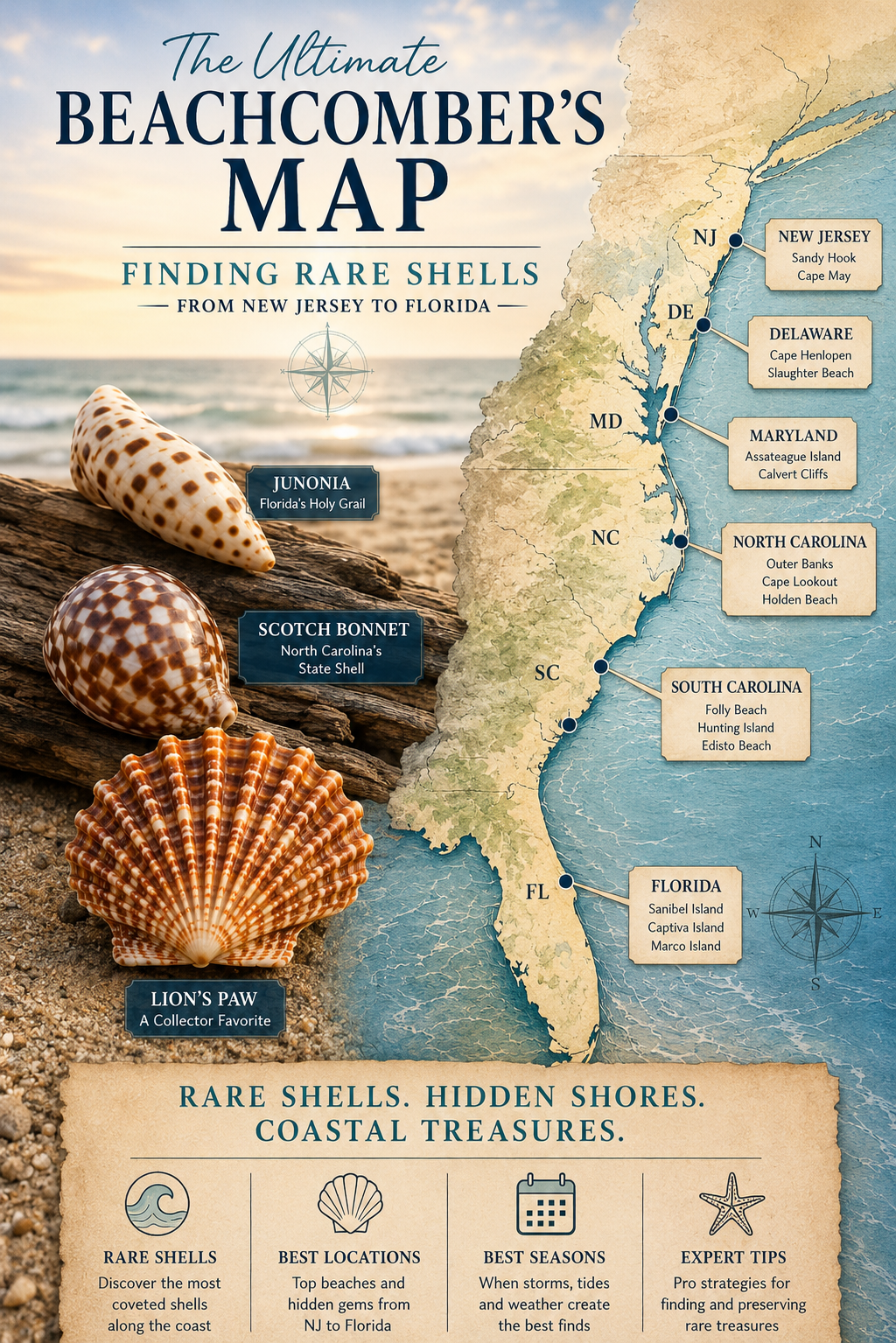
Bivalves consist of two hinged shells that protect soft-bodied animals living within. The Scotch Bonnet — North Carolina's state shell — is prized for its delicate shape and intricate patterning. Although not commonly found intact, discovering one is often considered a memorable highlight of any shelling trip.
Atlantic Cockles are among the most familiar shells for beginner collectors — their rounded shape and deeply ridged surfaces make them easy to identify. The fragile Angel Wing is admired for its graceful, elongated shape; because these shells break easily, finding an undamaged specimen is especially rewarding. Along many Atlantic beaches you'll also encounter Surf Clams, Razor Clams, and Eastern Oysters.
Learning Shell Families
While it's exciting to identify individual species, experienced collectors often recommend learning shell families first. Understanding families such as Whelks, Olive Shells, Ark Shells, Cockles, and Clams makes identification much easier. Once you recognize the general characteristics shared within each family, distinguishing individual species becomes far less intimidating.
Learn to Identify
Learn to Identify Every Shell
Every canonical Atlantic species has its own field-reference page — photos, look-alikes, and where to find them.
Browse Shell GuidesBest Seasons for Atlantic Coast Shelling
One of the wonderful aspects of Atlantic beachcombing is that there is no single "perfect" season. Every time of year offers something different.
Spring
Comfortable temperatures, lighter crowds, and active wildlife make long beach walks especially enjoyable. Beaches often feel peaceful before the busy summer season begins.
Summer
Warm water, family vacations, and long daylight hours. Although beaches are busier, early-morning shelling before crowds arrive can be remarkably productive.
Fall
Many experienced beachcombers consider autumn one of the finest times for shell collecting on the Atlantic Coast. Pleasant temperatures, fewer visitors, and the influence of tropical weather systems often combine to create outstanding conditions.
Winter
Winter offers a quieter, more contemplative shelling experience. Stronger seasonal weather patterns continue to rearrange the shoreline, and dedicated collectors appreciate having expansive stretches of beach almost entirely to themselves.
Types of Atlantic Beaches
Every Atlantic shoreline has its own personality, and understanding different coastal environments helps explain why shell collections vary so dramatically from beach to beach.
Barrier Islands
Constantly changing landscapes shaped by tides, waves, and shifting sand. Their dynamic nature creates productive shelling opportunities throughout the year, particularly near tidal inlets.
Oceanfront Beaches
Wide sandy beaches where gentle surf scatters shells evenly and stronger wave action forms concentrated wrack lines filled with newly deposited treasures.
National Seashores
Protected areas such as Cape Lookout National Seashore and Canaveral National Seashore preserve large stretches of undeveloped coastline where natural processes continue largely uninterrupted.
State Parks
Parks like Anastasia State Park and Huntington Beach State Park combine easy public access with healthy coastal ecosystems.
Salt Marshes and Estuaries
Calm estuaries support oysters, clams, and countless other marine organisms, providing an entirely different shelling experience than energetic surf beaches.
Remote Islands
Some of the Atlantic Coast's most memorable adventures require a boat or ferry trip. With fewer visitors and less collecting pressure, remote islands like Cumberland Island and Ocracoke Island often reward adventurous beachcombers with unique discoveries.
What Beginners Should Expect
Beginning your Atlantic Coast shelling journey is both exciting and rewarding. Many first-time beachcombers imagine walking onto the sand and immediately finding rare, perfectly preserved shells scattered across the shoreline. While every beach occasionally offers remarkable discoveries, experienced collectors know that successful shelling is less about luck and more about learning to observe the rhythms of the coast.
One of the most valuable lessons for beginners is to slow down. Rather than scanning only for large, colorful shells, pause often and look closely at the sand beneath your feet. Many beautiful shells are surprisingly small and easily overlooked. Tiny augers, delicate coquinas, miniature moon snails, and colorful juvenile shells frequently become favorite finds for collectors who take their time.
Learn to Read the Beach
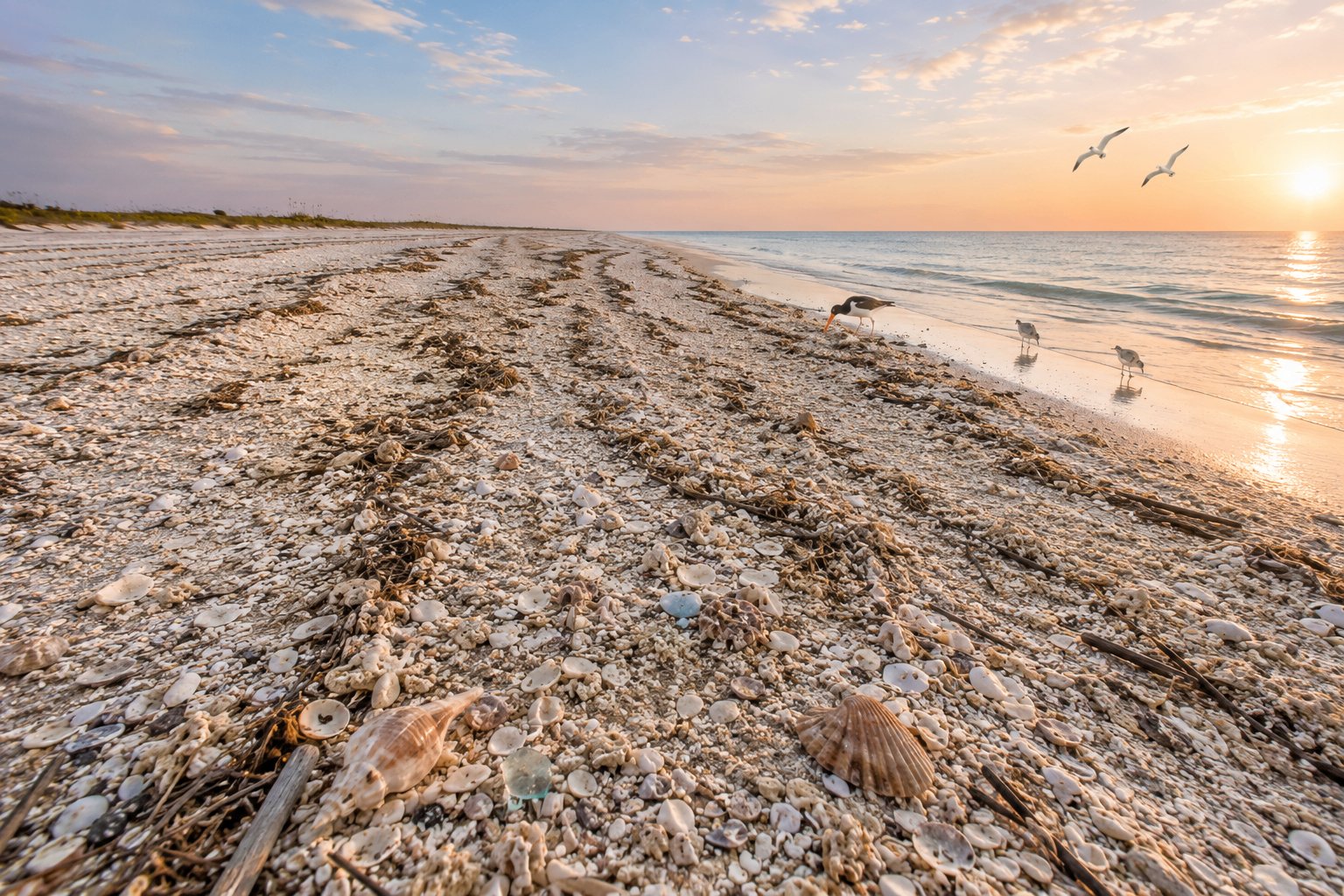
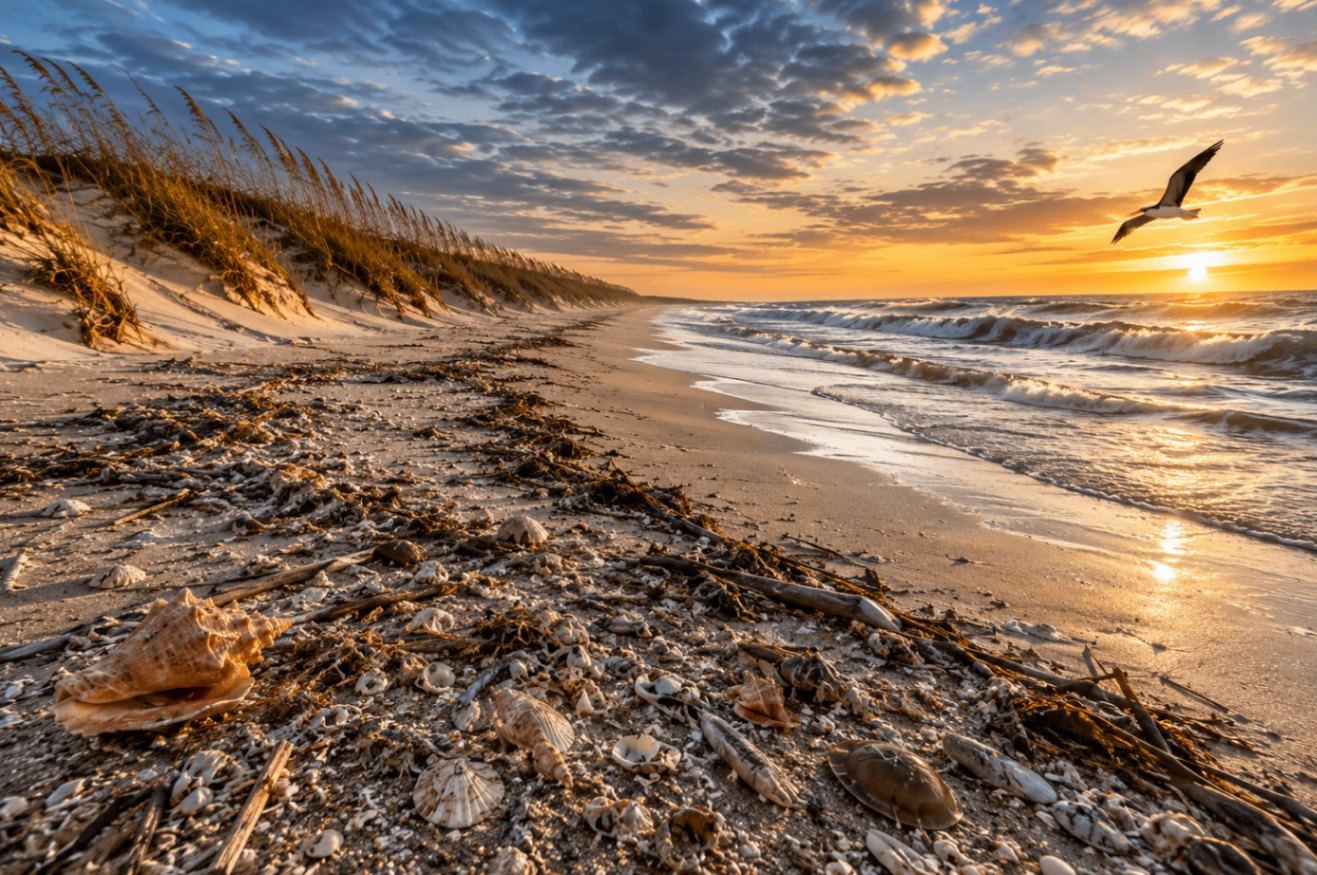
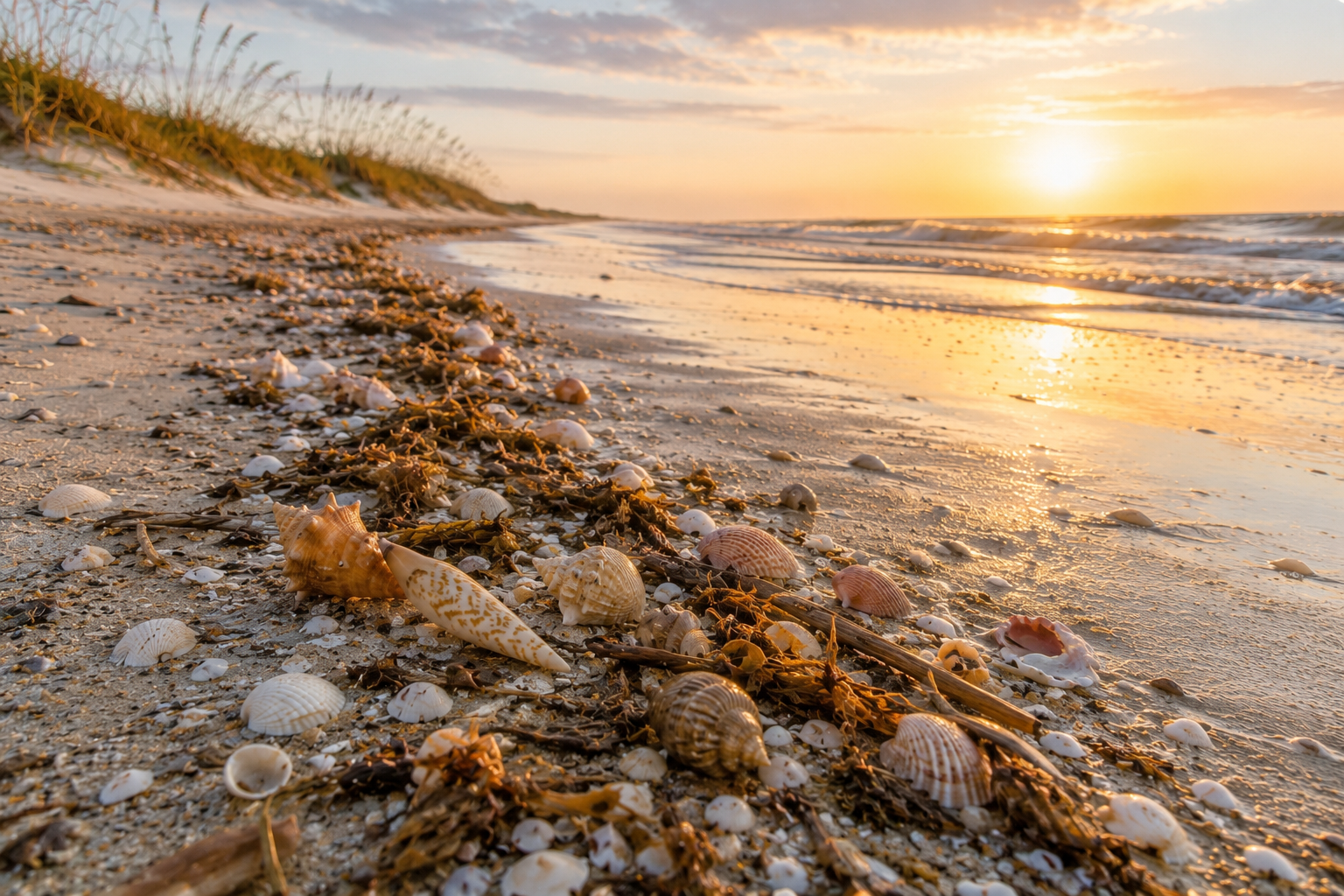
Experienced beachcombers don't simply walk randomly along the shoreline. They learn to "read" the beach by observing where waves, tides, and wind naturally gather shells. The best place to begin is along the wrack line — the natural line of seaweed, shells, driftwood, and other materials left behind as the tide recedes. Wrack lines often contain freshly deposited shells that have been carried ashore during the previous tidal cycle.
Tidal pools are another rewarding place to explore. Keep an eye on changes in the sand itself — small ridges, depressions, and areas where currents have slowed collect shells more readily than flat, featureless stretches of beach.
Timing Makes a Difference
Many experienced collectors plan their beach walks around nature rather than convenience. Low tide exposes portions of the beach that remain underwater for much of the day. Sunrise often provides ideal conditions, with cooler temperatures, softer light for photography, and beaches that have not yet been heavily visited.
Every Shell Has a Story
Instead of focusing only on collecting perfect specimens, take time to observe shell shape, color, texture, growth patterns, and natural wear. Notice the differences between spiral gastropods and hinged bivalves. Compare heavy whelks with delicate jingle shells. These observations gradually build confidence and make identifying new discoveries much easier.
Collect Responsibly
Responsible beachcombing helps preserve Atlantic beaches for future generations. Whenever possible, collect only empty shells. Living shells continue to support healthy marine ecosystems and should be left where they belong. Respect protected areas, wildlife nesting sites, and local collection regulations, which may vary from beach to beach.
Featured Atlantic Beaches
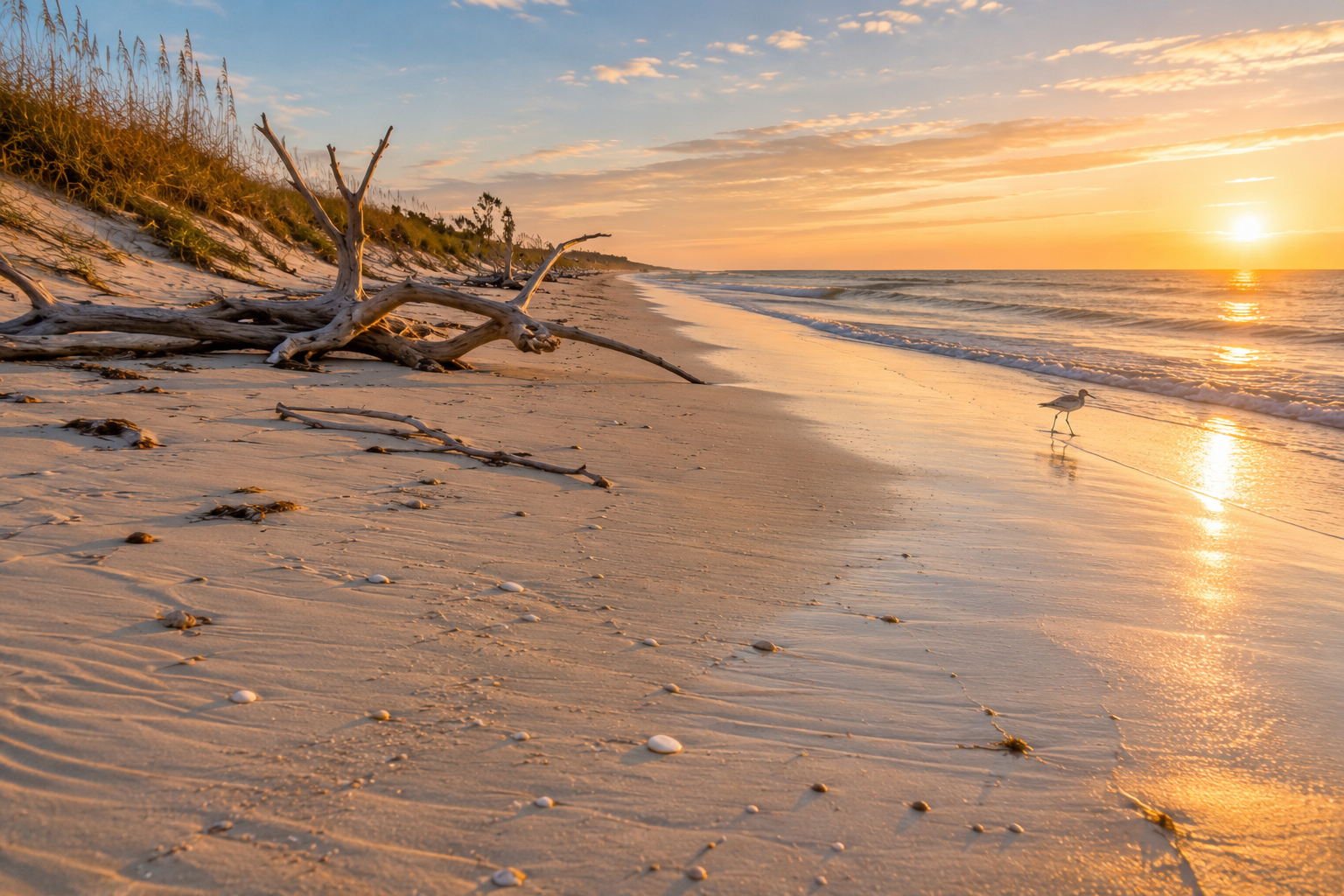
One of the most exciting aspects of Atlantic Coast shelling is the remarkable variety of destinations available to explore. Every beach has developed its own character through a combination of geography, tides, ocean currents, weather, and marine habitats. The following destinations anchor the Tidal Keepsakes Atlantic reference — the full editorial cards for each appear below this article.
Florida Atlantic Coast
Amelia Island is known for its peaceful beaches and rich coastal history, offering excellent opportunities for finding whelks, olives, coquinas, and many other Atlantic favorites. Anastasia State Park combines natural dunes, tidal habitats, and expansive beaches that reward patient shell collectors. Canaveral National Seashore provides visitors with an authentic Atlantic beach experience where nature remains largely unchanged.
Georgia's Golden Isles
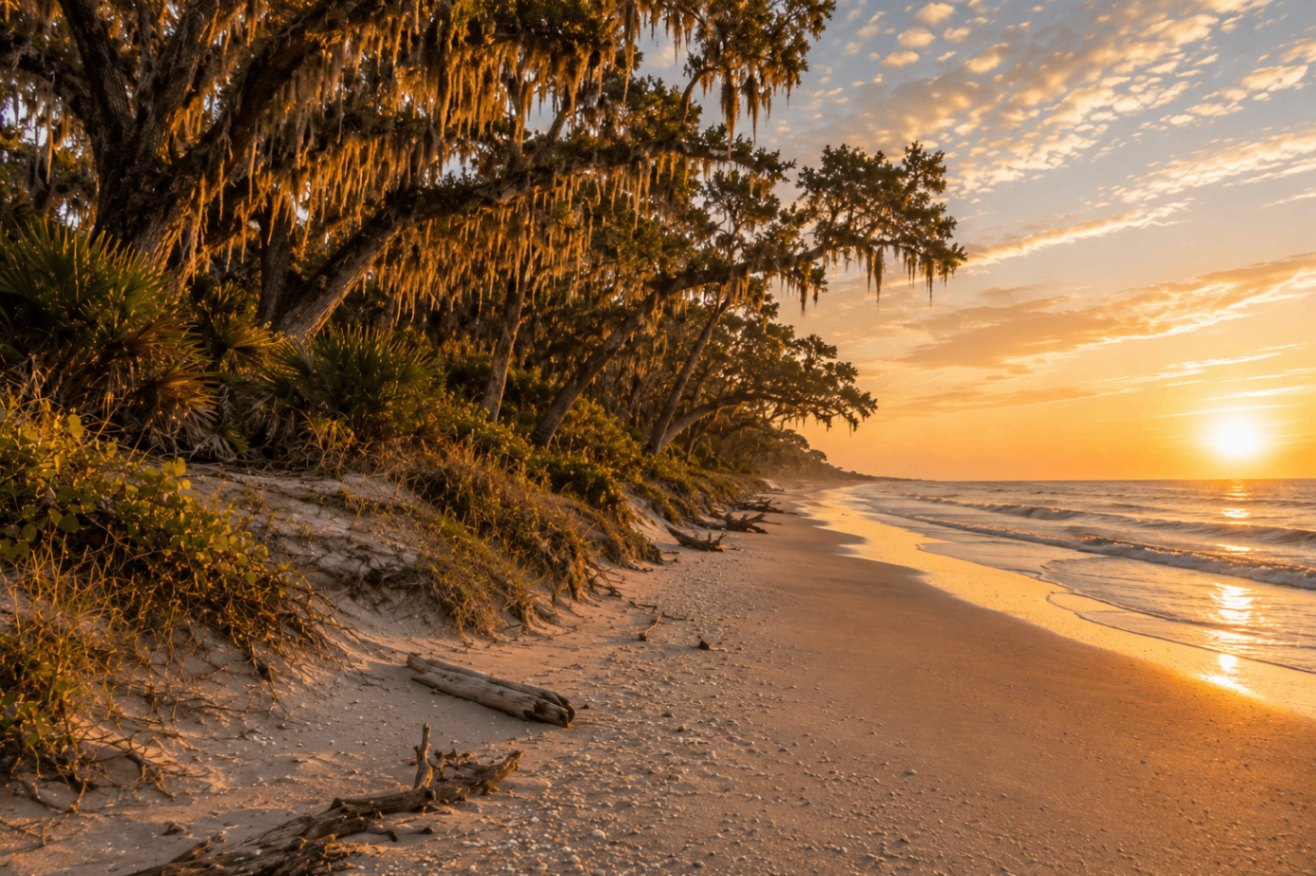
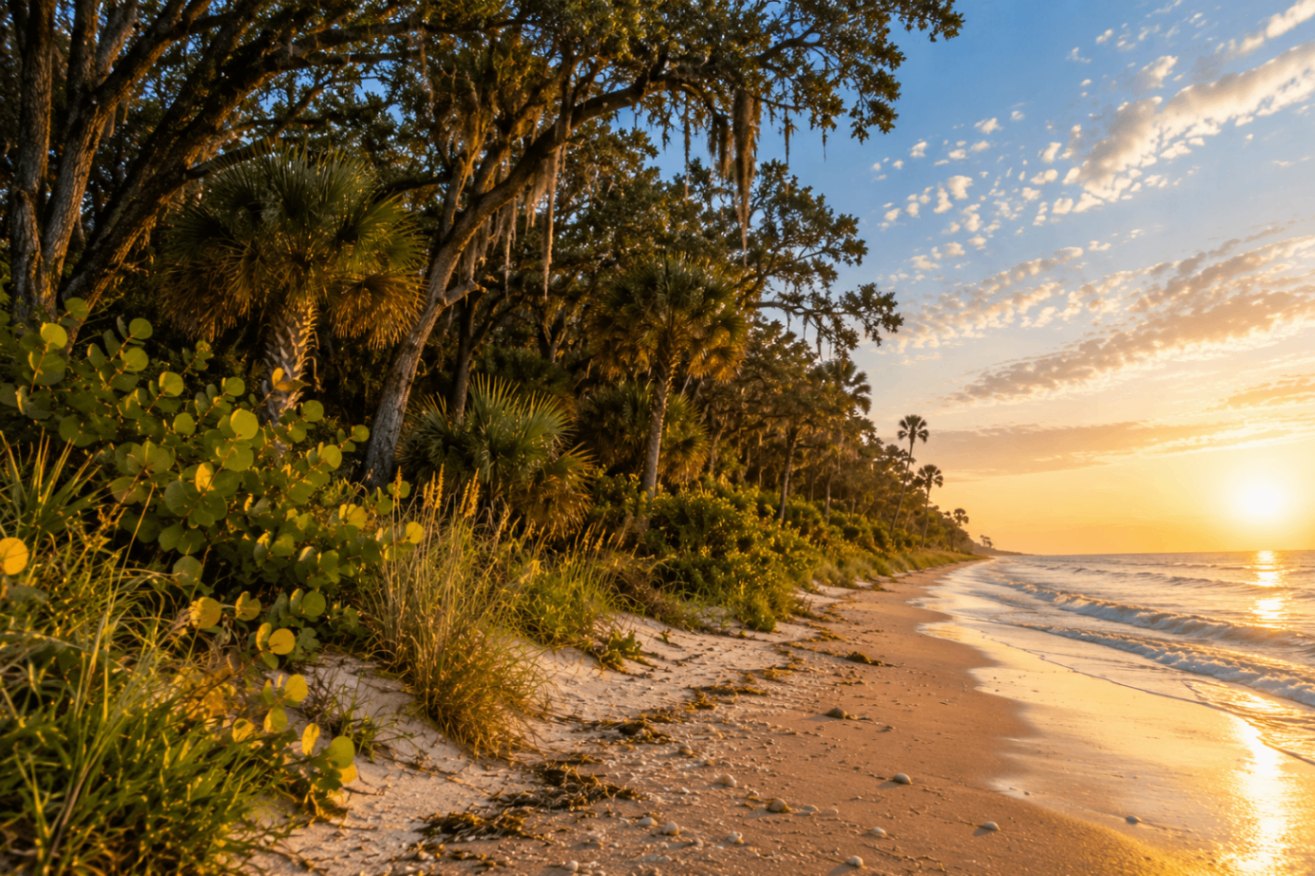
Jekyll Island and St. Simons Island offer an inviting blend of history, maritime forests, tidal creeks, and beautiful beaches. Nearby Cumberland Island is a wilder, ferry-access barrier island renowned for its moss-draped oaks and undisturbed shoreline.
South Carolina Lowcountry
Huntington Beach State Park combines productive shelling with diverse coastal habitats. Folly Beach and Edisto Beach showcase two different personalities of the South Carolina coast, each offering rewarding shelling shaped by tides, inlets, and seasonal weather.
North Carolina & the Outer Banks
Emerald Isle and Topsail Beach along the Crystal Coast are known for family-friendly conditions. Cape Lookout National Seashore — reachable only by ferry — is one of the Atlantic's most celebrated shelling destinations. Farther north, Ocracoke Island and the wider Outer Banks are shaped by powerful Atlantic forces that continually create fresh opportunities.
Discover
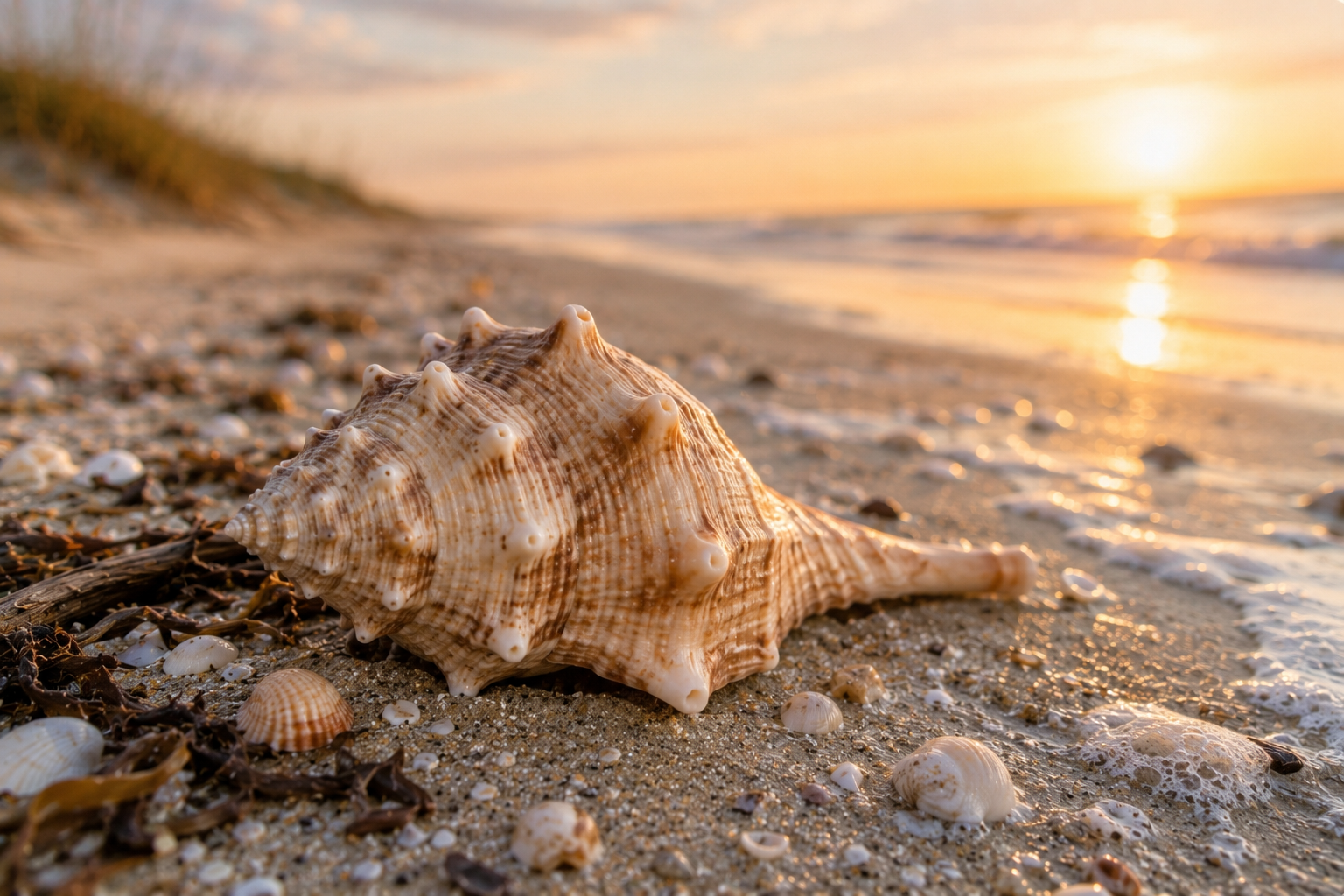
Discover Your Next Beach
Every published Atlantic destination has a full editorial guide — hero image, seasonal tips, and the species you're most likely to find.
Browse All Atlantic BeachesPlanning Your Atlantic Coast Adventure
Every memorable shelling trip begins long before your feet touch the sand. A little planning can dramatically improve your experience — helping you discover more shells, explore remarkable coastal landscapes, and enjoy the journey at a relaxed pace.
Before leaving home, check local tide charts and weather forecasts. Many experienced shell collectors plan to arrive an hour or two before low tide, giving themselves time to explore areas that remain underwater during much of the day. Sunrise outings often provide cooler temperatures, softer light for photography, and quieter beaches before daily activity begins.
Above all, remember that flexibility is one of the greatest advantages of beachcombing. Ocean conditions change daily, and some of the most memorable discoveries happen when plans shift unexpectedly. Every beach walk offers something worth noticing, even if it isn't the shell you originally hoped to find.
Record Every Adventure
While shells themselves become treasured keepsakes, the memories surrounding each discovery often become even more meaningful over time. A shell found during a family vacation, an early morning sunrise walk, or a quiet afternoon spent exploring a favorite beach carries a story that extends far beyond the shell itself.
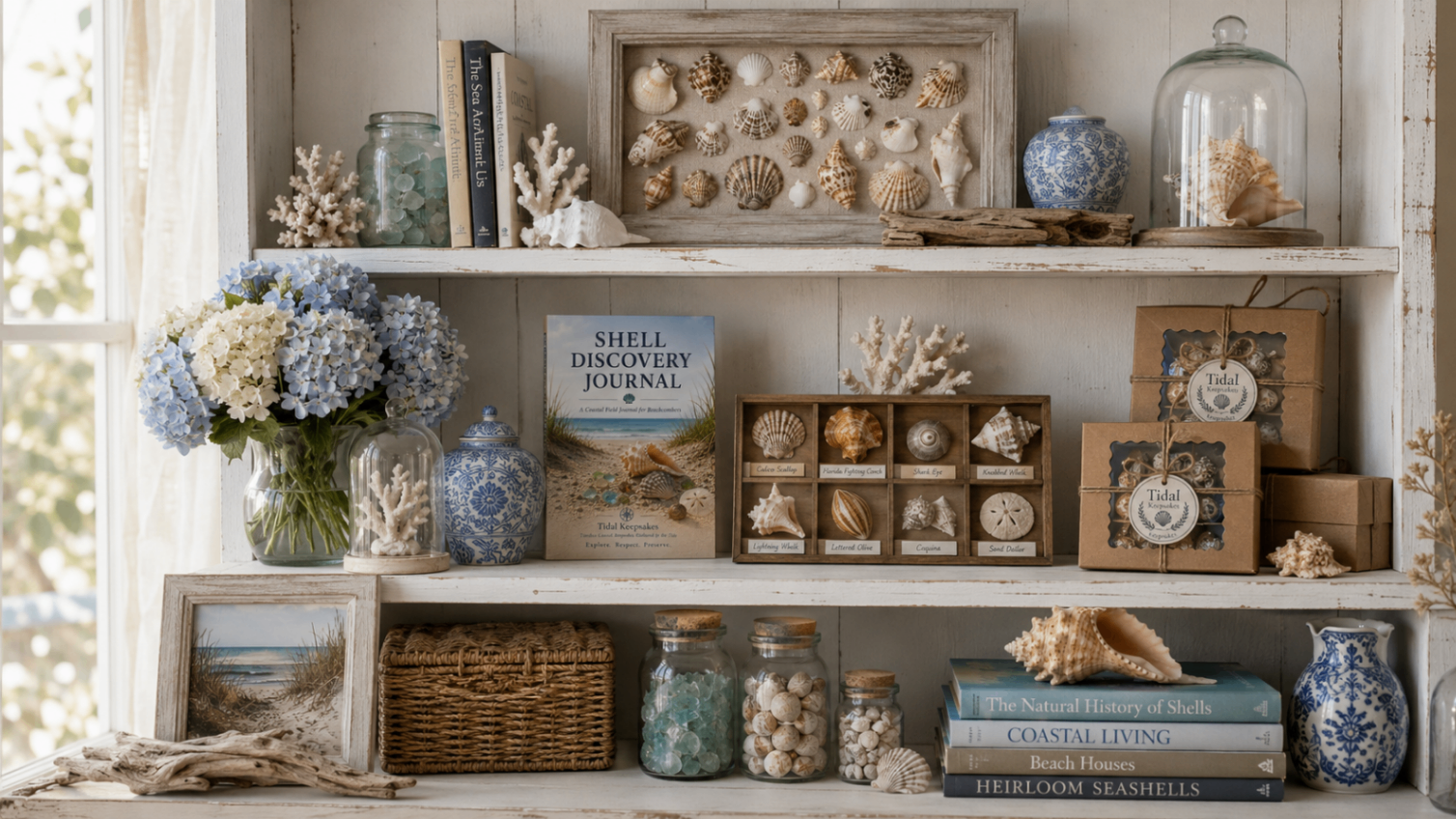
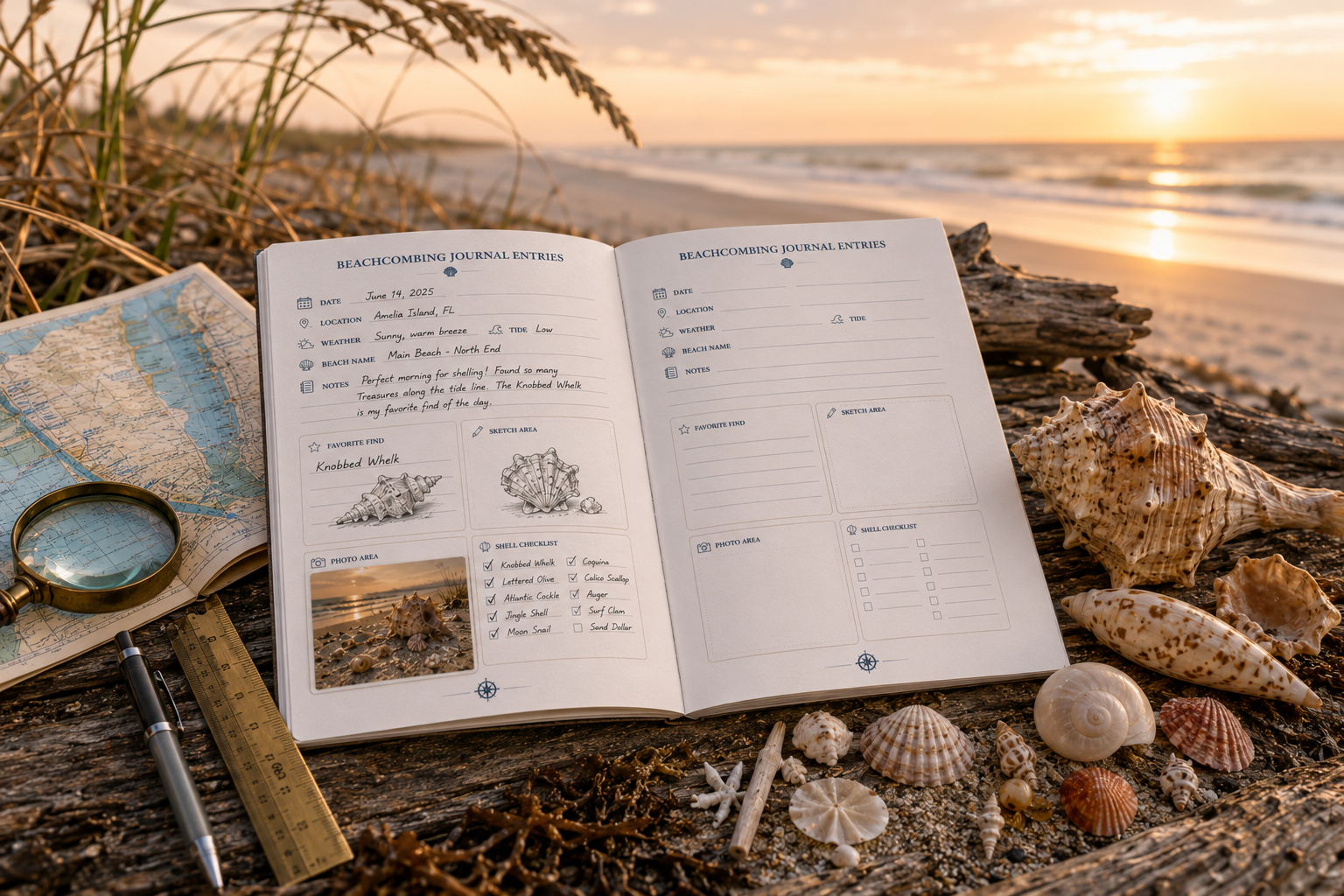
The Shell Discovery Journal was created to help beachcombers build a personal record of their coastal adventures. Instead of simply listing shells, the journal encourages you to document the complete experience — beach name, date, weather, tide stage, wildlife sightings, sea glass or shark tooth finds, sketches, and notes about memorable moments. Over months and years, these entries become a fascinating record of how beaches change through the seasons.
Record
Record Every Adventure
A guided beachcombing journal designed for Atlantic Coast collectors — prompts, ID pages, and space for the stories behind every find.
Explore the Shell Discovery JournalFrequently Asked Questions
Additional structured Q&A appears in the FAQ section further down the page — indexed for search engines via schema.
- When is the best time to go shell collecting on the Atlantic Coast?
- Excellent shelling can be enjoyed throughout the year, though late fall through early spring consistently produces the richest wrack lines.
- Do I need special equipment?
- Not at all. Comfortable footwear, a reusable shell bag, drinking water, sunscreen, and a sense of curiosity are enough.
- Should I collect every shell I find?
- Collect only empty shells and leave living animals undisturbed whenever possible. See our guide to Ethical Shell Collecting.
- Which Atlantic Coast beach has the best shelling?
- Every beach offers something unique depending on tides, weather, geography, and season — but Cape Lookout, Ocracoke, and Huntington Beach State Park are consistent favorites.
- How can I learn to identify my shells?
- Start by learning the major shell families, then use the Tidal Keepsakes species pages for side-by-side comparisons.
Continue Exploring
Every shell discovered along the Atlantic Coast tells part of a much larger story — a story written by tides, ocean currents, weather, marine life, and the ever-changing shoreline. Continue your journey through the detailed destination guides, shell identification resources, and educational articles throughout Tidal Keepsakes.
Beaches
Explore every Atlantic beach guide
Shells
Explore Tidal Keepsakes Shell Identification Library
Travel Guides
Plan your next shelling trip
Shell Discovery Journal
The keepsake journal for every beachcomber
Happy beachcombing — and may every walk along the shore leave you with a deeper appreciation for the beauty, wonder, and ever-changing nature of the Atlantic Coast.