 Save
SaveGuide
Ethical Shell Collecting Checklist
Collect with care. Simple principles for protecting the coast while you gather your treasures.
Collect with care. Simple principles for protecting the coast while you gather your treasures.
The most rewarding way to collect seashells is thoughtfully and responsibly. Ethical shell collecting protects coastal ecosystems, preserves wildlife habitats, and ensures future generations can enjoy the same shoreline treasures.
Core Principles
- Only take empty shells — never one with a living creature inside.
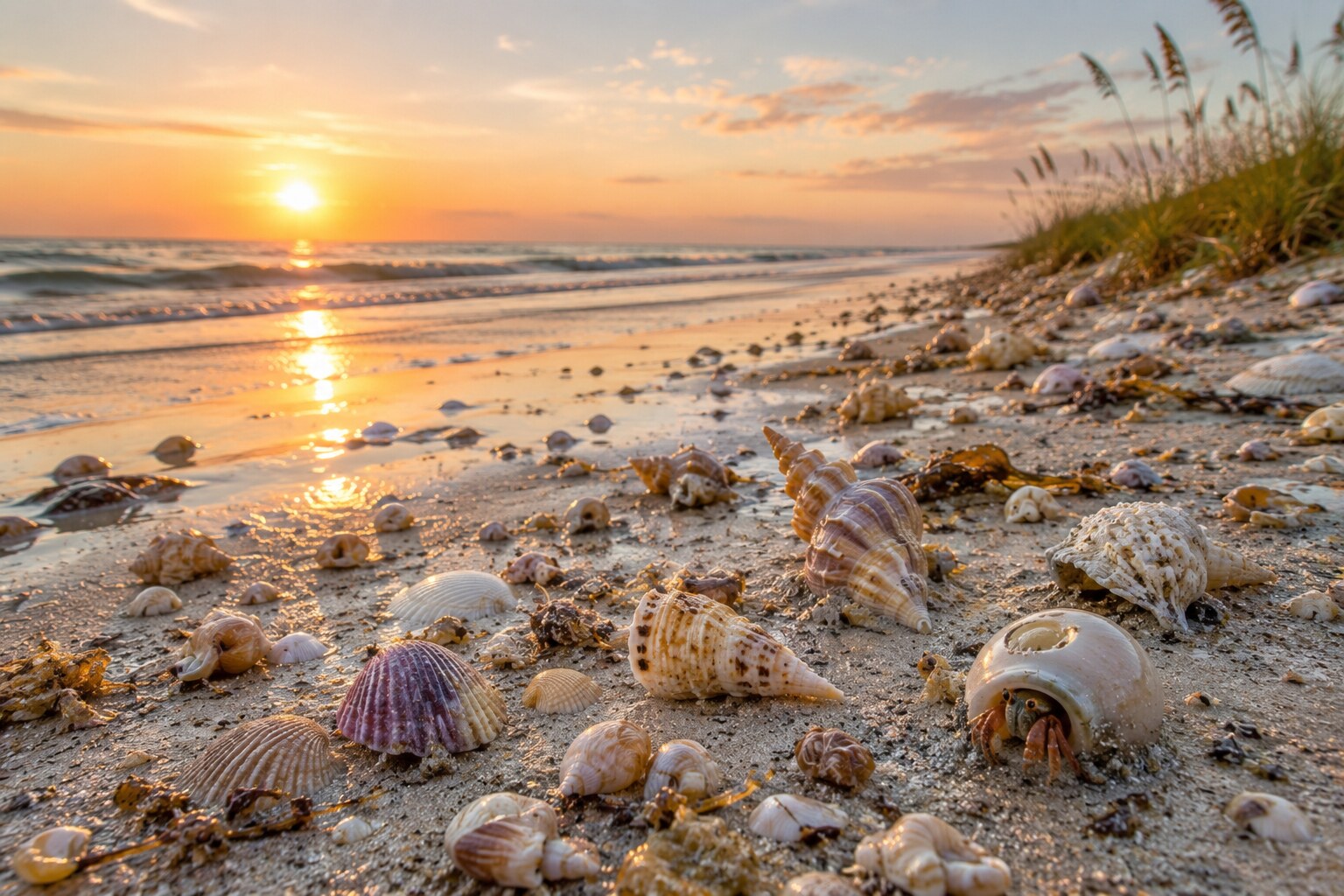
- Leave living sand dollars, hermit crabs, and snails where you find them.
- Take a few favorites rather than filling buckets.
- Check local rules — some beaches and parks limit or prohibit collecting.
- Fill any holes you dig and leave the beach as you found it.
How to Tell if a Shell Is Occupied
Look and smell. If there's tissue inside, a strong odor, or movement, gently return it to the water. When in doubt, leave it.
Continue Reading
Learn how responsible shell collecting protects beaches, wildlife, and future beachcombers.
Read the Full Ethical Shell Collecting Article →Collect responsibly, then bring the coast home with our hand-gathered keepsake boxes.
Shop the CollectionsContinue Your Beachcombing Journey
Hand-picked next steps — chosen because they build directly on what you've just read.
Article
Ethical Shell Collecting
Builds on the same core topic.
Guide
Responsible Shell Collecting in Florida
Shares beachcombing · ethical-collecting.
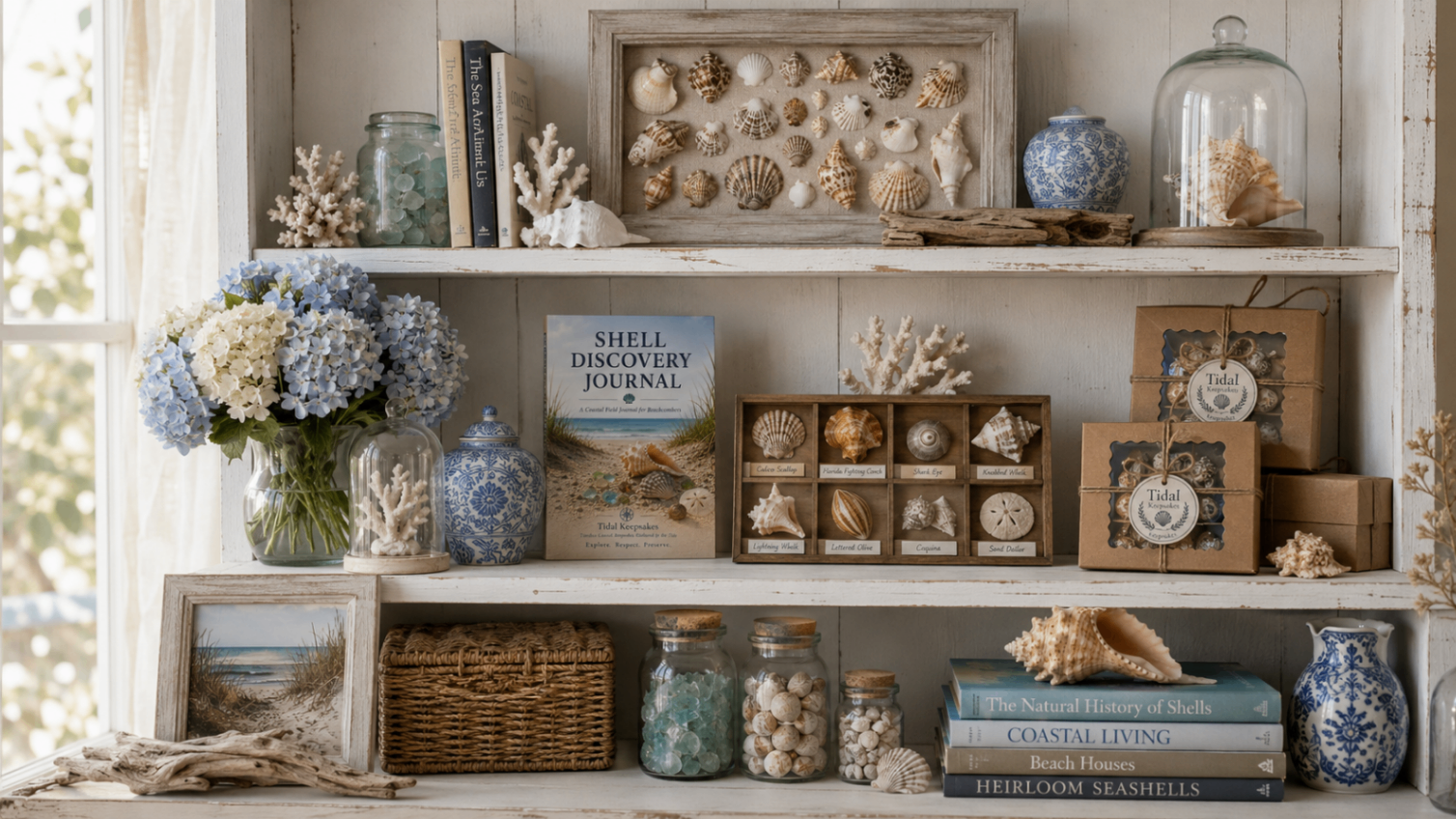
Curated Shell Box
The Collector Box
See these ideas in a curated collection.
Article
Sanibel Island: The Gateway to International Shell Collecting
Builds on the same core topic.
Compare Similar Shells
Species and look-alikes worth studying side by side. Every card routes into the shell reference.
Species
Scotch Bonnet
Semicassis granulata
Cream base with regular reddish-brown squares in tidy rows. Rounded body whorl and short spire; toothed inner lip.
Explore ShellSpecies
Knobbed Whelk
Busycon carica
Aperture opens on the right when the spire points up. Row of blunt knobs along the shoulder of the body whorl; interior often flushed with orange.
Explore ShellSpecies
Lettered Olive
Americoliva sayana
Cylindrical body with a very short spire and a long narrow aperture. The polished cream base carries tan or brown zigzag lines that give the species its 'lettered' name.
Explore ShellSpecies
Atlantic Auger
Terebra dislocata
Elongated screw-shaped shell up to 2 inches, pale grey to tan with faint spiral banding; each whorl carries fine axial ribs.
Explore ShellBeaches Worth Exploring Next
Shores connected to the shells, regions, and conditions on this page.
North Carolina Outer Banks
Outer Banks
A 200-mile chain of Atlantic barrier islands — Cape Hatteras, Ocracoke, and Cape Lookout deliver whelks, olive shells, and the state shell,…
Explore BeachGeorgia Coast
Jekyll Island
Historic Golden Isle with generous public beaches — Driftwood Beach and St. Andrews shore deliver moon snails, jingle shells, and…
Explore BeachFlorida Gulf Coast
Sanibel Island
Sanibel's east-west orientation sweeps Gulf shells onto its shore in exceptional variety — the reason it's the most celebrated shelling…
Explore BeachNorth Carolina Outer Banks
Ocracoke Island
A ferry-only Outer Banks island south of Hatteras — sixteen miles of protected National Seashore beach where Scotch bonnets and knobbed…
Explore BeachDiscover More Coastal Inspiration
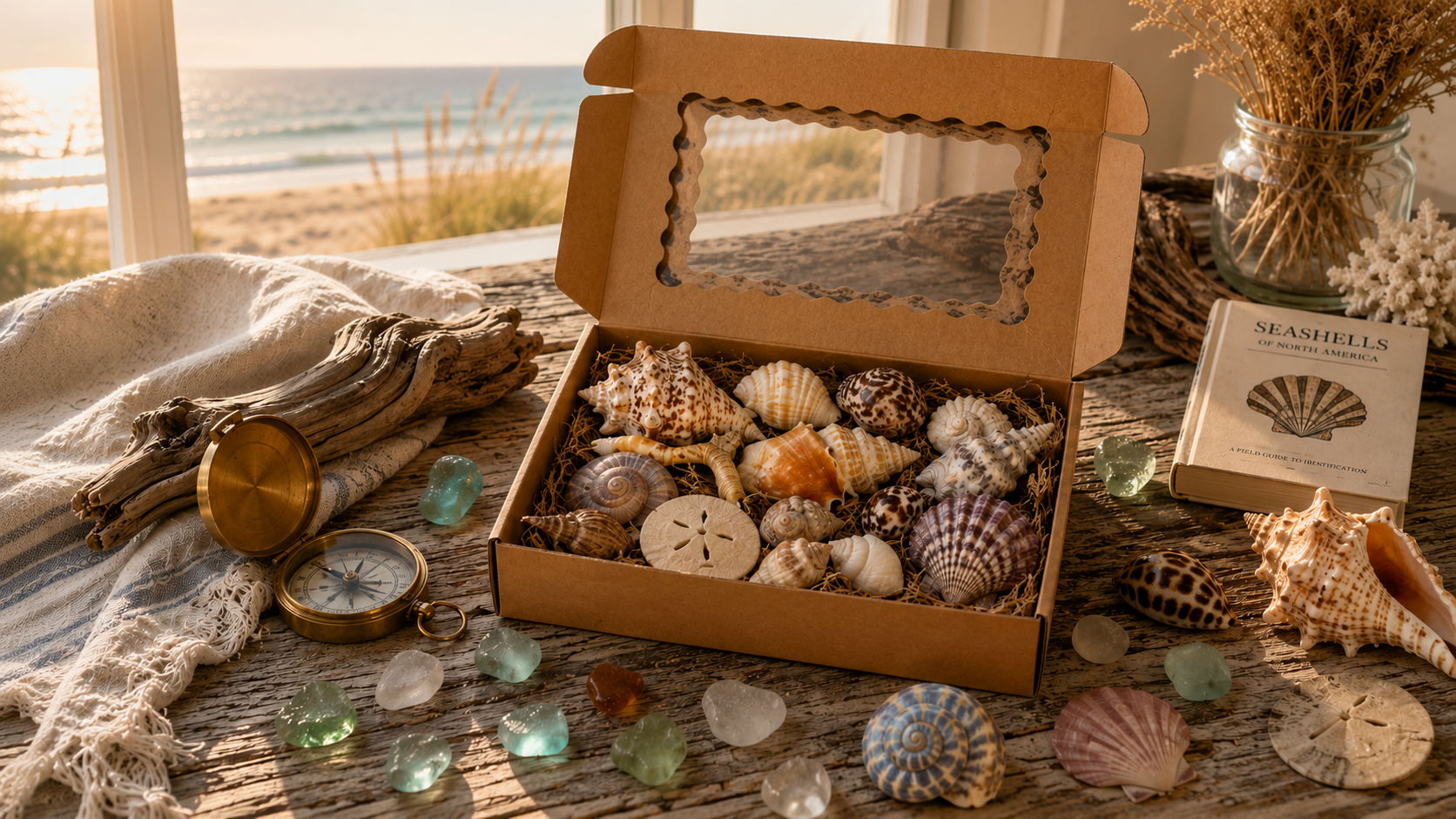
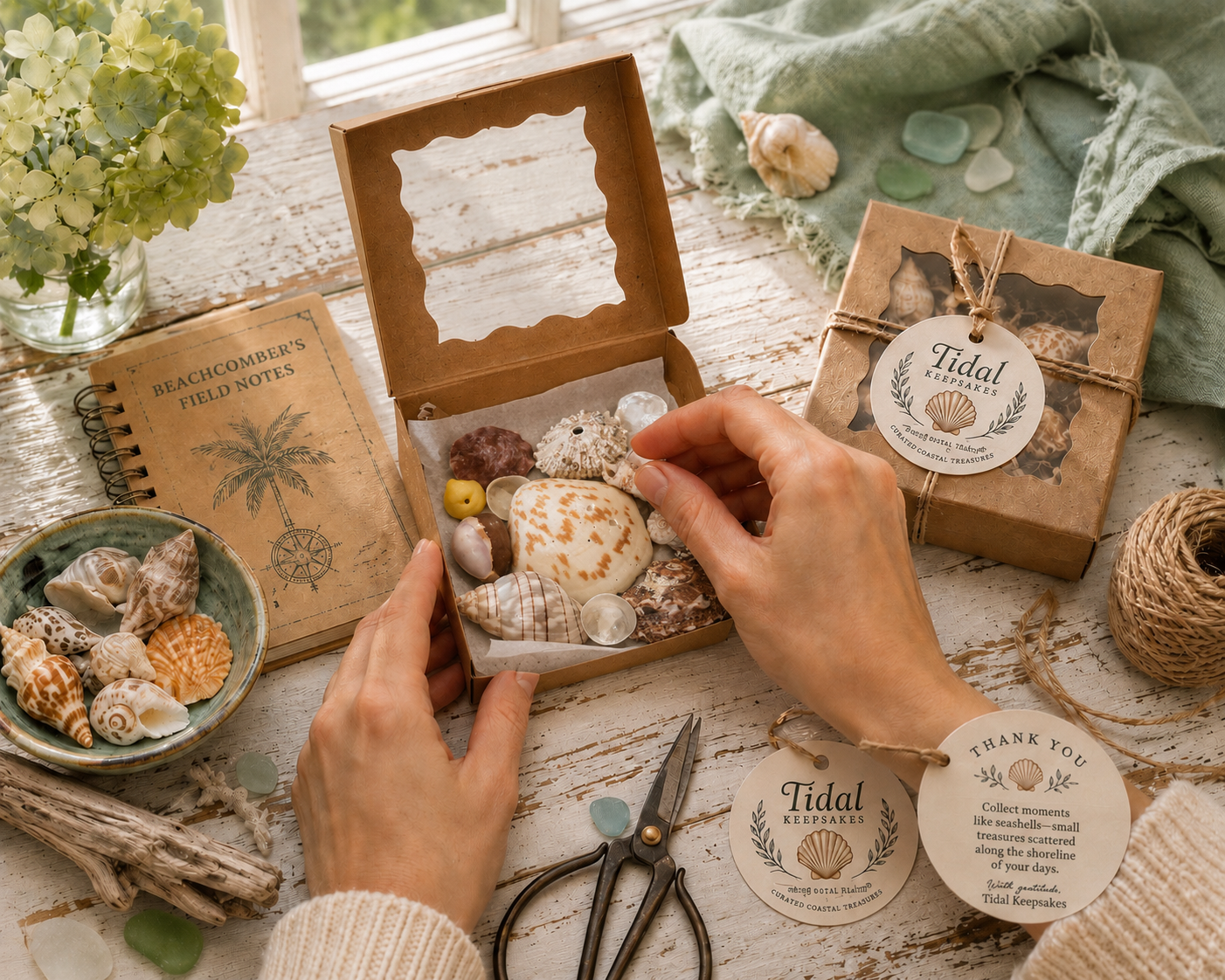
Curated coastal favorites and specimen boxes that echo the story above.
A Learning Journey to Follow
Learning Shell Identification
For growing collectors · 5 steps
For readers who already know a scallop from a whelk and want to sharpen the edge cases. Ends at the journal, where identification becomes a practice, not a lookup.
- 1
Understand the Anatomy
Shell Identification Guide
Vocabulary first — apex, whorl, aperture, columella.
Continue - 2
Meet the Common Species
Explore Common Shells
Browse the canonical shell records the site is built on.
Continue - 3
Compare Look-Alikes
Commonly Confused Shells
Side-by-side markers for the pairs that trip up new collectors.
Continue - 4
Find Them in the Wild
Best Beaches for Shelling
Where each species actually washes up.
Continue - 5
Practice in the Field
Shell Discovery Journal
Record each ID with sketches and notes to lock the learning in.
Continue